A hotel digital marketing agency should do more than run ads or post to social media. It should help hotels increase direct bookings by improving how the property is discovered, understood, and chosen across search, paid media, local listings, content, email, and AI-driven search experiences.
That matters because hotel marketing is more complex than many other industries. Guests do not always search by brand name. They search by neighborhood, package, amenity, event, airport, attraction, room type, and local experience. At the same time, OTAs, competitors, and other publishers compete for the same attention.
Percepture approaches hotel digital marketing as a connected visibility system. That includes SEO, PPC, digital PR, content, local SEO for hotels, email, and AI visibility working together to help hotels capture more demand directly. Our travel and tourism marketing agency practice brings deep hospitality expertise to every engagement.
Hotel Marketing Experts
Ready to Increase Direct Bookings and Reduce OTA Dependence?
Percepture helps hotels build integrated digital marketing systems across SEO, PPC, PR, content, email, and AI visibility.
A hotel digital marketing agency helps hotels improve visibility and bookings across search, paid media, local discovery, content, email, public relations, and AI-driven search experiences.
What Does a Hotel Digital Marketing Agency Do?
A hotel digital marketing agency manages the channels that help travelers find, research, and book a property. That includes search engine optimization, paid search advertising, local search management, content creation, email marketing, digital public relations, and analytics.
The goal is not just traffic. The goal is direct bookings.
Hotels face unique pressure from OTAs, metasearch engines, and competitors bidding on the same terms. A hotel digital marketing agency helps properties capture more of that demand directly. That means better margins, stronger guest relationships, and less dependence on third-party platforms.
The best hotel digital marketing agencies do not treat channels as separate services. They treat them as one connected system. SEO builds long-term visibility. PPC captures immediate demand. Content supports research and trust. Email drives retention. PR builds authority. Local search helps travelers find the property when they search by location. AI visibility helps the hotel surface in modern answer-driven discovery.
When these channels work together, hotels see stronger performance across the entire booking journey.
Why Hotel Digital Marketing Is Different
Hotel digital marketing is not the same as marketing a software product or an e-commerce store. The booking behavior is different. The competition is different. The search landscape is different.
Travelers search in ways that are hard to predict. They search by neighborhood, airport, attraction, event, package, room type, amenity, and experience. Next, they search for “hotels near the convention center,” or “romantic getaway with spa,” or “pet-friendly hotel downtown.” It’s funny, they rarely start with a brand name unless they already know the property. We use keyword intelligence to reach buyers throughout their customer journey.
That creates opportunity. Hotels that rank for non-branded terms capture demand before the traveler has made a decision. But it also creates complexity. The keyword landscape is broad, seasonal, and location-dependent.
OTAs add another layer of pressure. Booking.com, Expedia, and other platforms spend heavily on paid search and SEO. They often outrank hotels for their own brand names. That means hotels lose bookings to platforms that charge commissions of 15 to 25 percent or more.
Hotels also have multiple revenue streams. Rooms are the core product, but many properties also market weddings, meetings, group sales, spa services, dining, and events. Each of those has its own search behavior and booking path.
A hotel’s digital marketing strategy must account for all of this. It must capture demand across locations, seasons, and traveler types. A seasoned strategy protects branded terms and supports multiple revenue streams. And it must do all of this while competing with well-funded OTAs and other properties.
That is why hotel digital marketing requires a different approach.
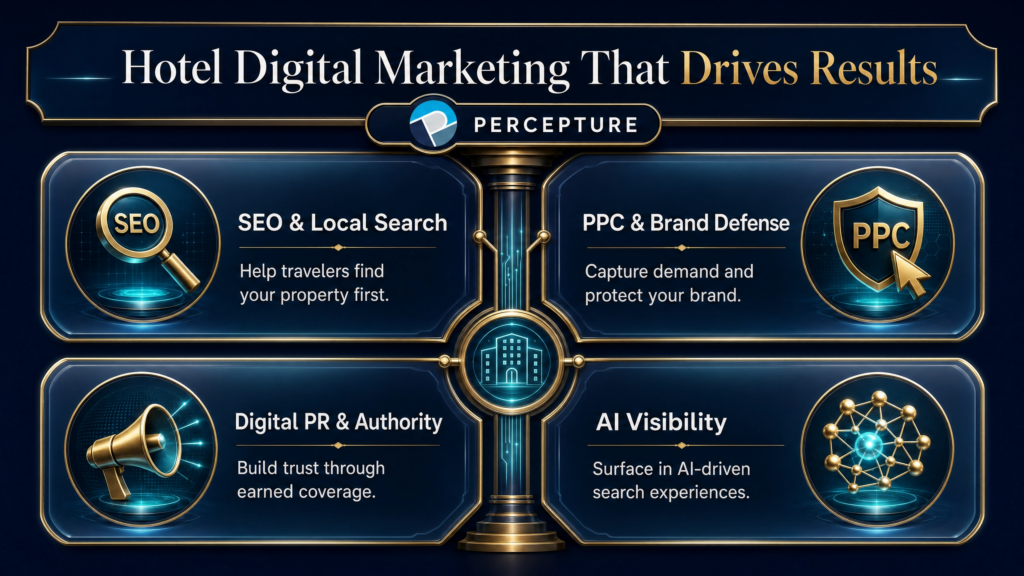
Hotel Digital Marketing That Drives Results
Visibility and trust working together for more direct bookings
Hotel digital marketing works best when the channels support each other. Here is how the most important channels fit together.
SEO for Long-Term Visibility
As a leading hotel SEO agency, we understand how this marketing line item plays a major role in your bookings and driving down overall CPL. Search engine optimization helps hotels rank for the terms travelers use when researching trips. That includes location-based searches, amenity searches, package searches, and experience searches.
SEO is a long-term investment. It takes time to build rankings, but the results compound. A hotel that ranks well for “boutique hotel in downtown Milwaukee” or “resort with golf course near Chicago” captures demand month after month without paying for each click.
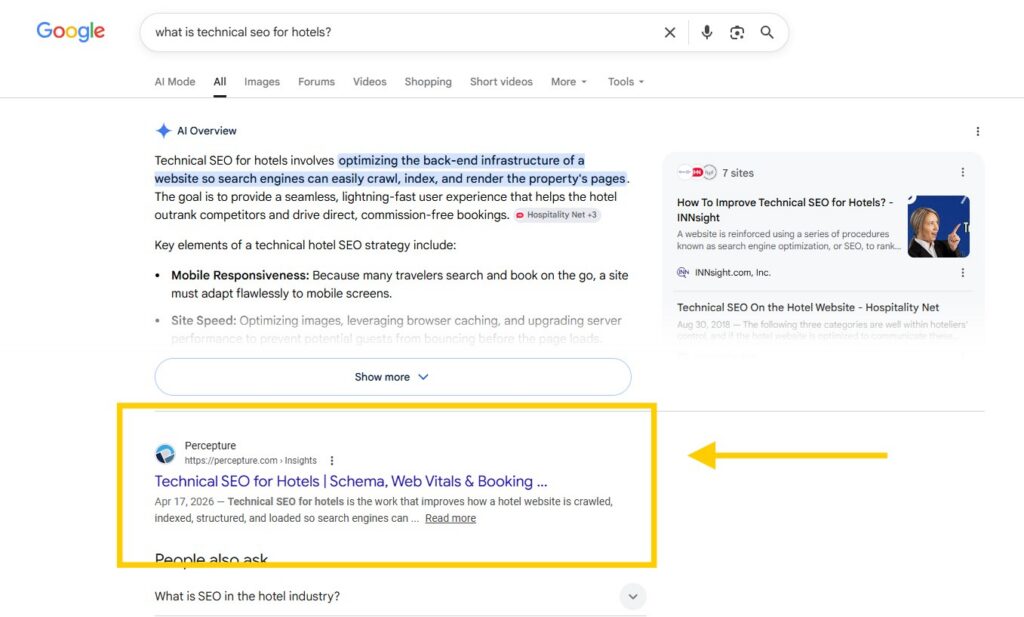
Technical SEO for hotels significantly impacts your results. Site speed, mobile usability, structured data, and crawlability all affect how search engines understand and rank a hotel website.
PPC for Immediate Demand Capture
Paid search advertising helps hotels capture demand quickly. Google Ads, Microsoft Ads, and metasearch platforms let hotels bid on terms that matter most.
PPC for hotels is especially important for branded terms. OTAs often bid on hotel names, which means travelers searching for a specific property may see an OTA ad before the hotel’s own website. Paid search helps hotels defend their brand and capture that demand directly.
PPC also supports seasonal promotions, package offers, and event-driven demand. Hotels can turn campaigns on and off based on occupancy, pricing, and market conditions.
Local SEO for Maps and Place-Based Discovery
Local search helps hotels appear in Google Maps, local packs, and location-based results. That matters because many travelers search by place. They search for “hotels near me” or “hotels in the French Quarter” or “resorts near Lake Geneva.”
Local SEO includes Google Business Profile optimization, local citations, review management, and location-specific content. Hotels with strong local presence capture more visibility when travelers search by geography.
Content and Email for Trust and Retention
Content marketing helps hotels support the research phase of the booking journey. Blog posts, destination guides, package pages, and experience content help travelers understand what the property offers.
Email marketing supports retention and repeat bookings. Pre-stay emails build anticipation. Post-stay emails encourage reviews and future visits. Promotional emails drive demand during slower periods.
Together, content and email help hotels stay connected to guests across the full customer journey.
Digital PR and AI Visibility for Authority
Digital public relations helps hotels earn coverage, backlinks, and third-party trust. That supports SEO, strengthens branded search, and improves how the property is understood by search engines and AI systems.
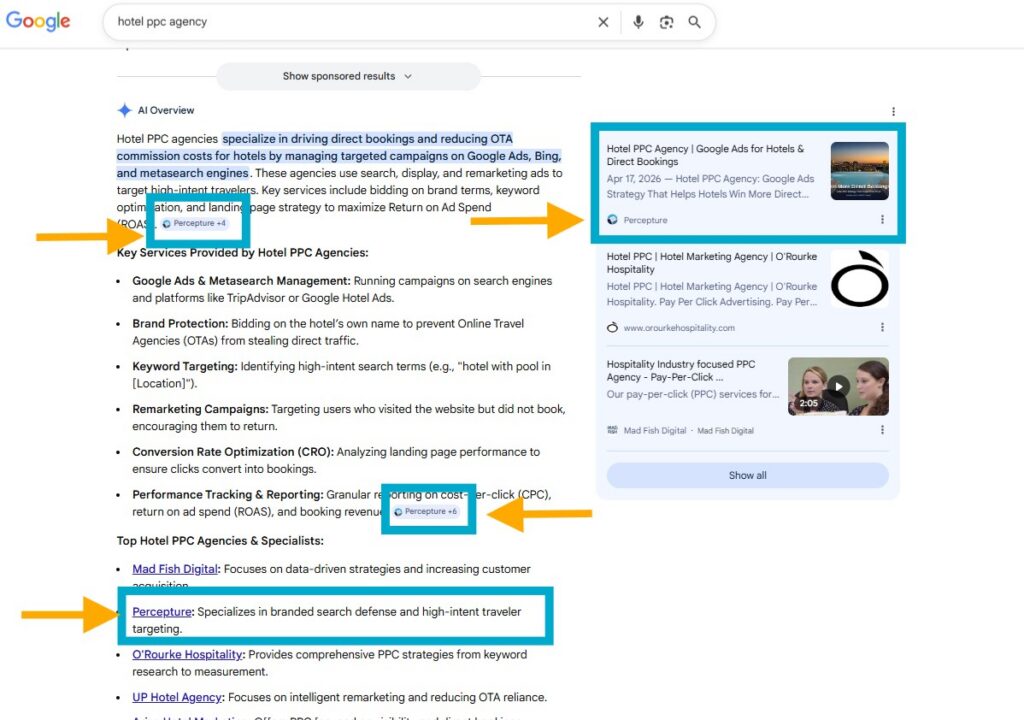
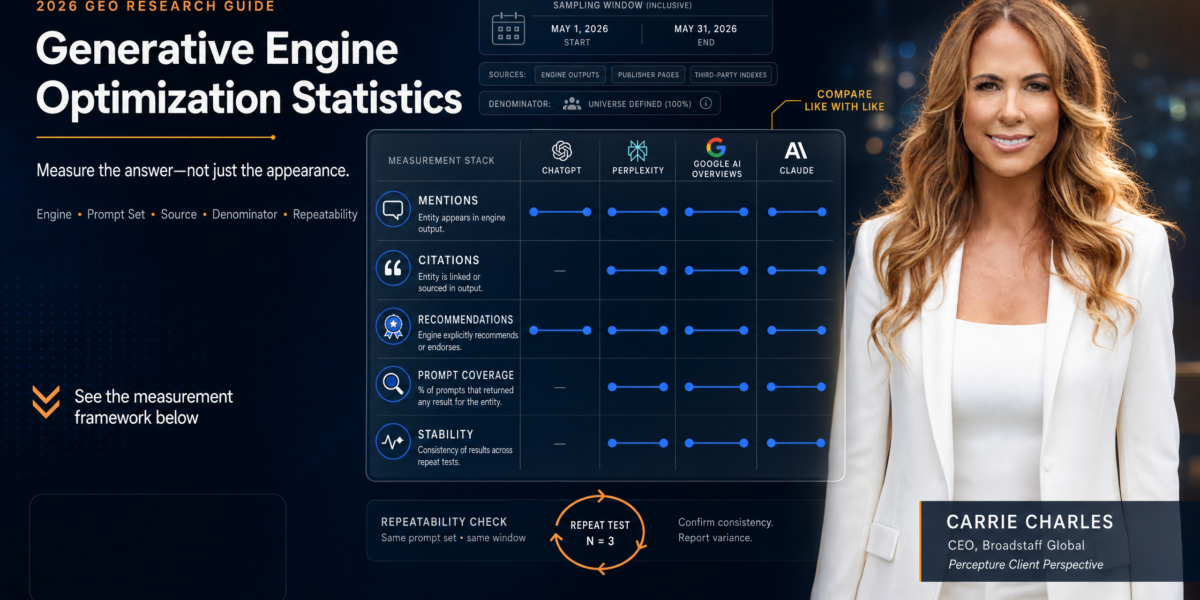
AI visibility is increasingly important. Google AI Overviews, ChatGPT, Perplexity, and other AI-driven search experiences pull information from trusted sources. Hotels that appear in those sources are more likely to surface in AI-generated answers.
Percepture’s AI search optimization services help hotels build the entity clarity and third-party presence needed to perform well in AI-driven discovery.
CTA Box 4: Channel Framework Box (Clean Modern Card)
The 7 Hotel Digital Marketing Channels
That drive visibility and direct bookings
SEO
PPC
Local SEO
Content
Email
Digital PR
AI Visibility
The 7 Hotel Digital Marketing Channels That Drive Visibility and Bookings
SEO — Build long-term organic visibility for location, amenity, and experience searches
PPC — Capture immediate demand and defend branded terms
Local SEO — Appear in maps and location-based results
Content — Support research and build trust before booking
Email — Drive retention, repeat stays, and promotional demand
Digital PR — Earn coverage, backlinks, and third-party authority
AI Visibility — Surface in AI-driven search and answer experiences
How Hotel Digital Marketing Supports Direct Bookings
The real goal of hotel digital marketing is not traffic. It is direct bookings.
Direct bookings matter because they protect margin. When a guest books through an OTA, the hotel pays a commission. When a guest books directly, the hotel keeps more of the revenue. Over time, that difference adds up.
Direct bookings also give hotels more control. Hotels can offer better rates, loyalty perks, and personalized experiences to direct bookers. They can build guest relationships that lead to repeat stays and referrals.
Hotel digital marketing supports direct bookings in several ways.
SEO and local search help travelers find the hotel website before they find an OTA listing. PPC helps hotels capture demand for branded and non-branded terms. Content helps travelers understand the property and feel confident booking directly. Email helps hotels stay in touch with past guests and drive repeat demand.
Digital PR and AI visibility help hotels build the trust and authority that influence booking decisions. When a traveler sees positive coverage or finds the hotel mentioned in an AI-generated answer, they are more likely to book directly.
The best hotel digital marketing strategies connect all of these channels into one system. That system is designed to capture demand, build trust, and convert travelers into direct bookers.
SEO and AI Visibility for Hotels
Search engine optimization remains one of the most important channels for hotel digital marketing. Hotels that rank well for non-branded terms capture demand from travelers who have not yet decided where to stay.
That includes location-based searches like “hotels in downtown Austin” or “beachfront resorts in Florida.” It includes amenity searches like “hotels with rooftop pools” or “pet-friendly hotels near the airport.” It includes experience searches like “romantic weekend getaway” or “family-friendly resort with waterpark.”
Technical SEO also matters. Site speed, mobile usability, structured data, and internal linking all affect how search engines crawl and rank hotel websites. Hotels with slow sites or poor mobile experiences lose rankings to competitors.
AI visibility is the next frontier. Google AI Overviews, ChatGPT, Perplexity, and other AI-driven search experiences are changing how travelers discover hotels. These systems pull information from trusted sources and synthesize answers. Hotels that appear in those sources are more likely to surface in AI-generated recommendations.
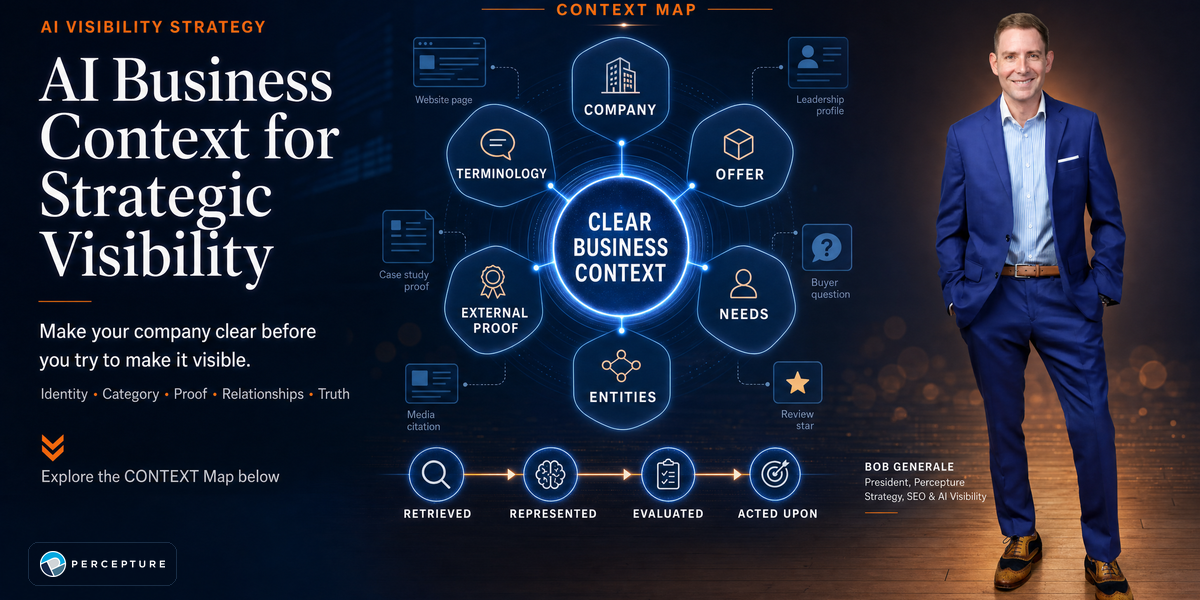
Building AI visibility requires entity clarity, structured content, and third-party presence. Hotels need to be mentioned accurately and consistently across the web. They need content that AI systems can understand and summarize. They need coverage from trusted publishers that AI systems use as sources.
Paid search advertising gives hotels immediate visibility. Unlike SEO, which takes time to build, PPC delivers results as soon as campaigns go live.
For hotels, PPC serves several purposes.
Branded-term protection is one of the most important. OTAs often bid on hotel names, which means travelers searching for a specific property may see an OTA ad first. Hotels that do not bid on their own names risk losing bookings to platforms that charge commissions.
PPC also supports package and offer promotion. Hotels can create campaigns around seasonal packages, spa offers, wedding promotions, and event-driven demand. These campaigns can be turned on and off based on occupancy and pricing.
Remarketing helps hotels stay in front of travelers who visited the website but did not book. Display ads and search remarketing keep the property top of mind during the research phase.
Google Ads, Microsoft Ads, and metasearch platforms like Google Hotel Ads and TripAdvisor all offer opportunities for hotels. The best hotel digital marketing strategies use a mix of platforms based on the property’s goals and budget.
Percepture’s paid search services include keyword research, negative keywords, geo-targeting, dayparting, A/B testing, device targeting, and analytics-based optimization.
Content, Email, and the Hotel Booking Journey
Content marketing helps hotels support the research phase of the booking journey. Travelers do not book immediately. They research, compare, and look for information that helps them feel confident in their decision.
Hotels can support that research with content. Destination guides help travelers understand the area. Package pages explain what is included. Blog posts highlight experiences, events, and local attractions. FAQ content answers common questions.
This content also supports SEO. Pages that answer traveler questions can rank for long-tail searches and capture demand from travelers in the research phase.
Email marketing supports the full guest lifecycle. Pre-booking emails can nurture leads who have shown interest but not yet booked. Pre-stay emails build anticipation and encourage upgrades. Post-stay emails request reviews and promote future visits. Promotional emails drive demand during slower periods.
Together, content and email help hotels stay connected to travelers across the entire customer journey. That connection builds trust and drives more direct bookings over time.
Percepture’s email marketing services help hotels build lifecycle campaigns that support retention and repeat demand.
Digital PR, Reputation, and Third-Party Trust
Digital public relations is one of the most undervalued channels in hotel digital marketing. Many agencies treat PR as optional. Percepture treats it as structural.
PR helps hotels build authority. Coverage from trusted publishers signals to search engines and AI systems that the property is credible. Backlinks from high-quality sites improve domain authority and support SEO.
PR also helps hotels control their branded search presence. When travelers search for a hotel name, they see more than just the hotel website. They see reviews, articles, and third-party listings. Hotels with positive coverage across those sources build more trust.
AI visibility depends heavily on third-party presence. AI systems like Google AI Overviews and ChatGPT pull information from trusted sources. Hotels that are mentioned positively in those sources are more likely to surface in AI-generated answers.
Reputation management is part of this equation. Reviews on Google, TripAdvisor, and other platforms influence both search rankings and booking decisions. Hotels need strategies for earning positive reviews and responding to negative ones.
Percepture’s digital PR services help hotels earn coverage, build backlinks, and strengthen their presence across the sources that matter most for search and AI visibility.
Hotel digital marketing works better when visibility and trust grow together
SEO and local search help people find the hotel
PPC helps capture demand immediately
PR and authority help strengthen trust
Email and content help keep the guest relationship moving
What Makes a Hotel Digital Marketing Strategy Work
The best hotel digital marketing strategies share a few common traits.
They are integrated. Channels do not operate in silos. SEO, PPC, content, email, PR, and AI visibility work together as one system. Messaging is consistent. Data flows between channels. Insights from one channel inform decisions in others.
They are audience-focused. The strategy is built around the travelers the hotel wants to reach. That includes understanding search behavior, booking patterns, and decision factors. It includes segmenting by traveler type, geography, and intent.
They account for seasonality. Hotel demand shifts throughout the year. The best strategies anticipate those shifts and adjust campaigns, content, and offers accordingly.
They are measurable. Hotels should know what is working and what is not. That means tracking direct bookings, qualified leads, branded and non-branded visibility, conversion rates, and campaign efficiency. It means testing and optimizing continuously.
They are built for the long term. Hotel digital marketing is not a one-time project. It is an ongoing investment. The best strategies build compounding value over time through SEO, content, email lists, and authority.
Percepture’s omnichannel marketing agency approach helps hotels build strategies that connect channels and deliver measurable results.
Why Percepture Is Different
Percepture is not a generalist agency that happens to work with hotels. We bring deep hospitality and travel expertise to every engagement.
Veronica Stoddart, former Editor in Chief for Travel at USA TODAY, leads our travel content practice. She brings more than 30 awards and decades of travel editorial experience to the work. That gives Percepture real travel and hospitality authority that most agencies cannot match.
Our hospitality background includes work with hotel and travel brands such as Marcus Hotels (Grand Geneva Resort & Spa, Timber Ridge, Saint Kate, The Pfister Hotel), Hyatt, Hyatt Place, Hard Rock Hotel Las Vegas, Morgan’s Hotel Group, Wyndham Hotel Group, AmeriSuites, USA Hostels, and Visit Williamsburg.
We do not treat channels as silos. We treat SEO, PPC, PR, content, email, local search, and AI visibility as one connected system. That system is designed to help hotels capture more demand directly and reduce dependence on OTAs.
Our capabilities span keyword research, technical SEO, paid search management, content creation, email marketing, digital PR, reputation management, and AI search optimization. We use data to guide decisions and optimize continuously. To bring down cost-per-lead, we help you identify the best SEO keywords for hotels using our Keyword IQ AI system.
We work with senior-level experts, not junior account managers. Every engagement is led by people who understand hospitality, search, and performance marketing.
If you want a hotel digital marketing agency that understands direct bookings, OTA pressure, and AI visibility, Percepture can help.
CTA Box 3: Authority Box (Premium Dark with Gold Accents)
Travel Editorial Authority
Travel editorial authority meets hotel growth strategy
Veronica Stoddart’s travel authority (USA TODAY Editor in Chief for Travel, 30+ awards)
Hotel and travel PPC/SEO experience across major brands including Hyatt, Hard Rock, and Marcus Hotels
Integrated SEO, AI search, PR, content, and performance reporting
Travel editorial authority meets hotel growth strategy
Veronica Stoddart’s travel authority (USA TODAY Editor in Chief for Travel, 30+ awards)
Hotel and travel PPC/SEO experience across major brands
Integrated SEO, AI search, PR, content, and reporting
Hospitality credibility tied to hotel and travel brands
FAQs: Hotel Digital Marketing Agency
What does a hotel digital marketing agency do?
A hotel digital marketing agency helps hotels improve visibility and direct bookings through SEO, PPC, content, local search, email, digital PR, and analytics. The goal is to capture more demand directly and reduce dependence on OTAs.
Why is hotel digital marketing different from regular digital marketing?
Hotels have unique booking behavior, OTA competition, location-based demand, seasonal shifts, package and amenity searches, and stronger dependence on reviews and trust signals. A hotel digital marketing strategy must account for all of these factors.
What digital marketing channels matter most for hotels?
The most important channels usually include SEO, PPC, local SEO, content marketing, email marketing, digital PR, and increasingly AI visibility. The best strategies connect these channels into one integrated system.
Can hotel digital marketing reduce OTA dependence?
Yes. A strong hotel digital marketing strategy can help hotels capture more demand directly through search, paid media, local visibility, content, and stronger brand control. That reduces the share of bookings that go through commission-based platforms.
Does SEO matter for hotel digital marketing?
Yes. SEO helps hotels capture long-term search demand, rank for local and non-branded terms, and improve visibility for travelers researching locations, offers, and experiences. It is one of the highest-ROI channels for hotels.
Does PPC matter for hotels?
Yes. PPC helps hotels capture immediate demand, defend branded terms, promote offers, and drive direct-booking traffic quickly. It is especially important for protecting against OTA competition on branded searches.
Why does digital PR matter for hotels?
Digital PR helps hotels build trust, earn visibility on third-party sites, strengthen branded search, support SEO, and improve how the property is understood by search engines and AI systems. It is one of the most undervalued channels in hotel marketing.
How do hotels know if their digital marketing is working?
Hotels should look beyond traffic and measure direct-booking growth, qualified leads, branded and non-branded visibility, conversion quality, campaign efficiency, and overall search presence. The best agencies provide clear reporting tied to business outcomes.
CTA Box 5: Final Closing CTA (Full-Width Premium)
Ready to Build a Modern Hotel Visibility System?
Hotel digital marketing should not feel like separate channels fighting for attention. It should feel like one connected system built to help the right travelers find, trust, and book your property directly.
Bob Generale is the President of Percepture and a 20-year veteran of digital search strategy, specializing in the hospitality, travel, and culinary sectors. Known in the industry as the “Navy SEAL of marketing” for his tactical precision in SEO and AI Search (GEO), Bob has spent his career engineering direct-revenue visibility systems for the world’s most competitive markets.
His firsthand hospitality experience includes driving digital growth for the pioneers of the boutique hotel industry, Morgans Hotel Group (The Delano, The Shore Club, The Mondrian, St Martins Lane), as well as complex flagship properties like the Hard Rock Hotel & Casino and AmeriSuites. He has also advised on high-level digital pr strategy for Marcus Hotels & Resorts and historic luxury properties like The Pfister Hotel.
Beyond hospitality, Bob has deep roots in lifestyle and culinary digital media, having launched the Taste of Home website and led high-visibility campaigns involving Rachael Ray Magazine and top-tier restaurant groups. Today, he helps enterprise hotel brands bridge the gap between traditional search and modern AI-driven discovery to maximize direct bookings. Bob also serves as a Board Member for the Ferrari Club of America (FCA) Tampa Bay chapter.
Get Brands Cited in ChatGPT + Google AI Overviews | AI Search Authority | President, Percepture | GEO + Digital PR | AI Sales Agents for Revenue Teams | Ferrari Club of America (FCA) Tampa Bay Board Member