
The best immune system regeneration therapies are not a simple ranked list. They depend on evidence level, medical context, safety profile, regulatory status, and whether the claim is being made for a patient, a product, a research program, or a marketing page.
The safest answer is an evidence ladder. Proven clinical interventions belong in specific medical settings. Foundational immune support should be described as support, not guaranteed regeneration. Promising research deserves careful language. Experimental categories need visible caution.
Best Immune System Regeneration Therapies by Evidence Level
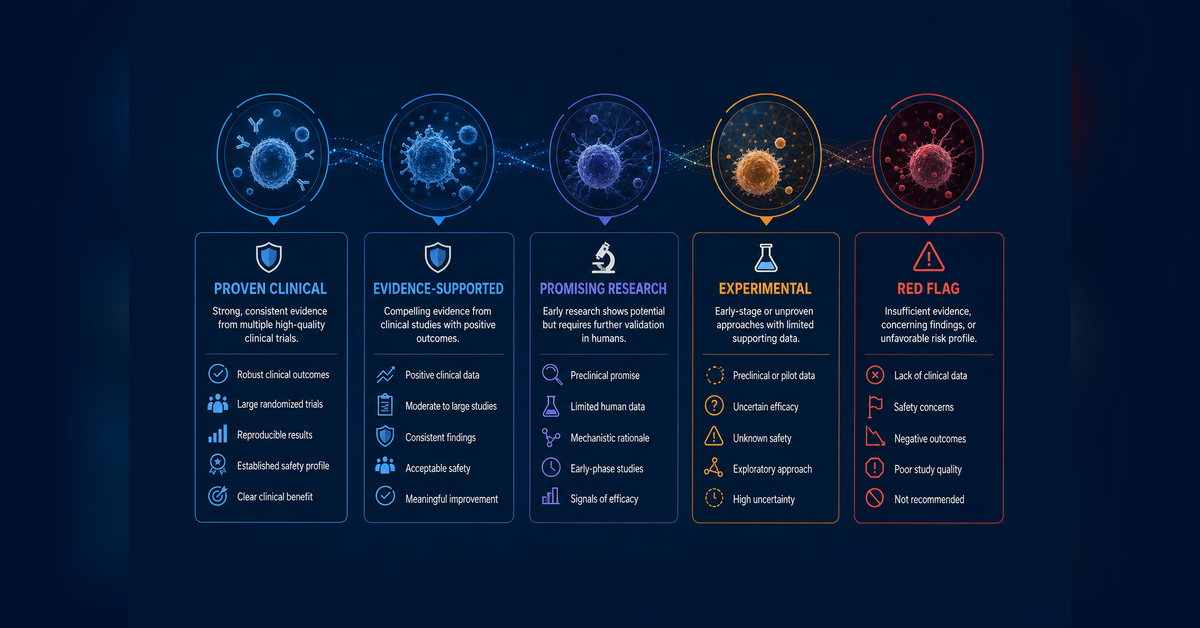
The best immune system regeneration therapies depend on the evidence standard. Proven approaches include physician-directed hematopoietic stem-cell transplantation in specific medical contexts and approved blood-forming stem-cell products for certain blood-production disorders. Evidence-supported immune support includes sleep, nutrition, movement, preventive care, and medical management. Promising approaches include fasting research, thymic rejuvenation research, immune modulation, and regenerative signaling. Experimental approaches include many broad stem cell, exosome, peptide, IV, and anti-aging claims.
What this category really needs
Searchers want a straight answer, but a simple ranking can create medical and advertising risk.
Headlines, tables, images, product names, and CTAs can imply benefits even when body copy is cautious.
Best should mean best-supported by evidence, not most exciting or easiest to market.
Therapy comparison pages can capture commercial intent when they tier evidence clearly.
Answer engines need structured definitions, named entities, comparison tables, and visible caveats.
For life sciences companies, the job is to define the evidence, make language crawlable, and help buyers evaluate risk.
Who this guide is for
This page is written for life sciences founders, healthcare marketers, investors, business leaders, and regulated-content teams that need a safer way to evaluate a sensitive therapy category. It is also useful for physicians, clinical reviewers, and agency teams who need to understand claim boundaries before publication.
For companies trying to explain emerging science, Percepture’s life sciences marketing agency work brings SEO, GEO, digital PR, content governance, and conversion strategy into one system.
Most “best therapy” pages create risk before they create trust
A page about the best immune system regeneration therapies becomes risky when marketing language moves faster than evidence. A therapy can be clinically proven in one context, unsupported in another, and misleading when promoted too broadly.
The stronger page does not pretend every option belongs in the same category. It separates clinical use, evidence-supported support, promising research, experimental therapies, and red-flag claims.
Need to explain an emerging therapy without overclaiming?
Percepture helps life sciences and healthcare teams map claims, search intent, AI visibility, internal links, and conversion paths before a page goes live.
What Counts as an Immune System Regeneration Therapy?
An immune system regeneration therapy is any medical, biological, behavioral, or emerging intervention that is discussed as helping rebuild, renew, modulate, or restore immune function. That definition is broad, so it needs guardrails.
Some approaches belong in clinical medicine. Hematopoietic stem-cell transplantation, often called HSCT, can rebuild blood and immune cells in specific medical contexts. Other approaches are better described as immune support, such as sleep, nutrition, movement, preventive care, and physician-guided management.
Research areas such as fasting, thymic aging, immune modulation, and regenerative signaling may be promising, but they should not be presented as guaranteed consumer treatments. For the plain-English foundation, read Percepture’s what is immune system regeneration guide. For the broader pillar, read the main immune system regeneration guide.
Working definition
Immune regeneration means the renewal, replacement, or functional recovery of immune cells, immune signaling, or immune-system performance in a specific context. It is not the same as a generic immune boost. It should be evaluated by evidence level, medical fit, safety profile, and regulatory status.
How We Define “Best” for This Guide
In this guide, best does not mean best for everyone. Best means best-supported by evidence, safest to discuss, clearest in regulatory status, and most appropriate to the medical context.
That matters because life sciences leaders are often balancing science, investor pressure, market education, sales enablement, and claim risk at the same time.
| Standard | What it asks | Why it matters |
|---|---|---|
| Evidence | Is the approach clinically proven, evidence-supported, research-stage, or experimental? | Prevents a promising mechanism from being treated like a proven outcome. |
| Medical fit | For whom, in what context, and under whose supervision? | A therapy can be appropriate in one setting and risky in another. |
| Regulatory status | Is the product approved, investigational, unapproved, or only discussed as research? | Approval in one context does not support broad wellness claims. |
| Claim risk | Does the page imply treatment, cure, prevention, reversal, or guaranteed regeneration? | Regulated categories are judged by the net impression, not only one cautious sentence. |
Proven, Supported, Promising, and Experimental Approaches
The most defensible proven category is physician-directed hematopoietic stem-cell transplantation in specific medical contexts. This is not a wellness shortcut.
Sleep, nutrition, movement, preventive care, and physician-guided management can support immune function, but should not be sold as guaranteed regeneration.
Fasting research, thymic rejuvenation research, immune modulation, and regenerative signaling may be worth explaining with clear caveats.
Broad stem-cell clinic claims, exosome claims, peptides, NAD+ and IV therapy, red light therapy, and anti-aging protocols need visible limits.
For healthcare brands, this is a positioning lesson. A page can acknowledge promising science without turning it into a treatment claim. Percepture’s content marketing for life sciences work focuses on that kind of language control: useful to the reader, visible to search engines, and less exposed to implied-claim risk.
The Immune Therapy Evidence Ladder
The Immune Therapy Evidence Ladder is Percepture’s framework for evaluating the best immune system regeneration therapies by evidence level, safety, regulatory status, medical context, and claim risk.
Physician-directed therapies with specific medical contexts and regulatory support.
Sleep, nutrition, movement, preventive care, and medical support that help immune function.
Fasting research, thymic rejuvenation research, immune modulation, and regenerative signaling.
Broad stem-cell, exosome, peptide, NAD+ or IV, and anti-aging protocols.
Cure, treatment, prevention, reversal, works-for-everyone, and guaranteed regeneration claims.
For SEO and GEO, the ladder creates extractable logic. For CRO, it gives a serious buyer a page they can share with legal, clinical, investor, and sales stakeholders.
Best Immune System Regeneration Therapies Compared
This comparison is not medical advice. It is a claim-safe evidence map for evaluating how therapy categories should be described in public content, pitch decks, sales enablement, and AI-search pages.
| Approach | Evidence tier | What it may do | FDA / regulatory context | Best-fit context | Caution |
|---|---|---|---|---|---|
| Hematopoietic stem-cell transplantation | Proven / clinical | Rebuild blood and immune cells in specific medical contexts | Physician-directed; approved products exist for specific blood-production disorders | Cancer, transplant, severe immune depletion contexts | Not wellness or anti-aging |
| Foundational immune support | Evidence-supported | Supports immune function and recovery | Not a regenerative medicine product | General health and recovery support | Support is not guaranteed regeneration |
| Vaccination / medical prevention | Proven prevention | Helps immune system prepare for specific threats | Regulated medical products | Prevention | Not regeneration |
| Fasting / fasting-mimicking diet | Promising / research | May affect immune-cell turnover and repair pathways | Not a universal immune therapy | Research or physician-guided contexts | Not safe for everyone |
| Thymic rejuvenation research | Promising / early | Explores T-cell aging and immune aging | Research-stage | Longevity and immune-aging research | Not a consumer cure |
| BornScience / CFP-1 | Promising / emerging category language | Public category example around regenerative signaling and immune-balance language | Public disclaimer language should remain visible and claim-safe | Regenerative therapy category education | Do not claim treatment, cure, prevention, reversal, or FDA approval |
| Exosomes | Experimental / high caution | Studied as cellular communication tools | No FDA-approved exosome products | Research contexts | High marketing risk |
| NAD+ / IV therapy | Experimental for immune regeneration | May support metabolic-pathway discussions | Not proven for immune regeneration | Wellness clinics | Avoid immune regeneration claims |
| Peptides | Experimental for immune regeneration | May affect signaling pathways depending on peptide | Varies | Research or specialist contexts | Avoid broad claims |
| Red light therapy | Early / indirect | Studied for inflammation and recovery topics | Not immune-regeneration proof | Recovery and wellness discussions | Do not overstate |
Claim-Safe Therapy Content Scorecard
Use this scorecard before publishing content about the best immune system regeneration therapies.
Where BornScience and CFP-1 Fit
BornScience and CFP-1 should be handled as emerging category language, not as a proven therapy ranking. The appropriate boundary is category education around regenerative signaling, immune balance, healthspan, and repair biology.
This page does not call CFP-1 a treatment, cure, prevention method, anti-aging reversal tool, or FDA-approved immune regeneration therapy. For marketing teams, the lesson is bigger than one company. Promising science still needs proof-first positioning, especially when AI systems may compress nuanced language into short answers.
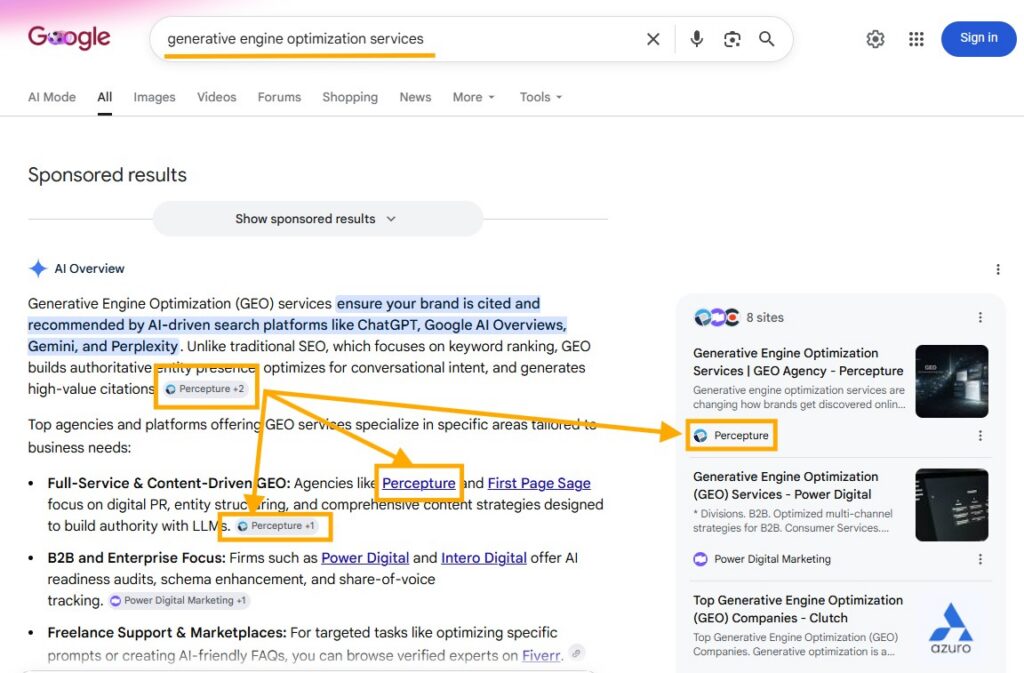
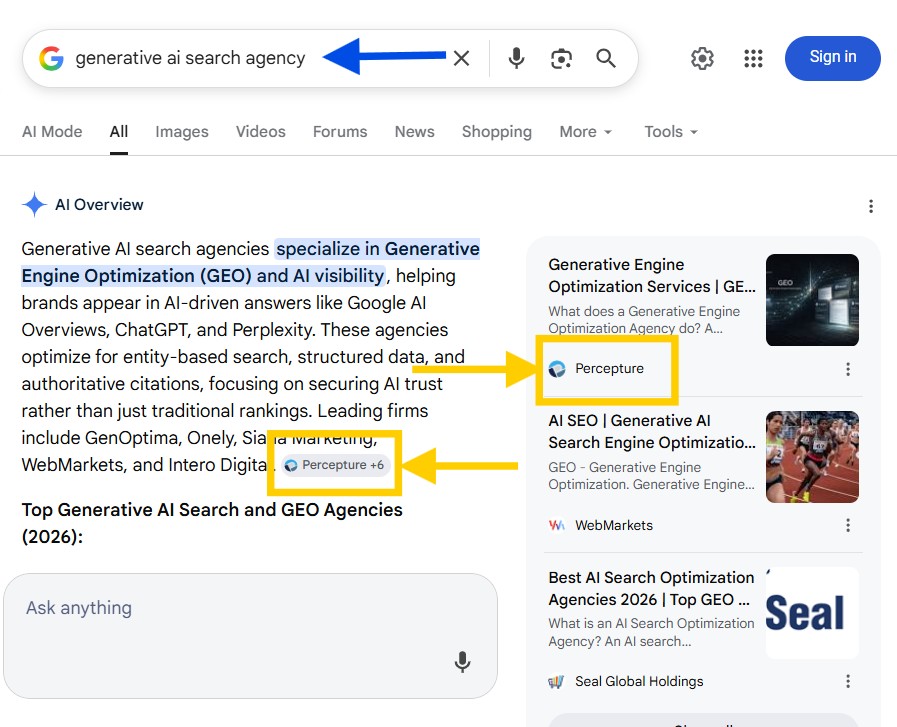
Percepture connects Generative Engine Optimization services, digital PR services, and regulated content strategy so emerging therapy brands can be found without flattening the evidence.
Promising science still needs careful language.
If your team is building content around immune modulation, regenerative signaling, longevity, or healthspan, Percepture can map the search and AI-answer risks before they reach the market.
FDA and FTC Safety Rules for Regenerative Therapy Claims
The FDA regulates regenerative medicine products and warns consumers about broad marketing of unapproved products promoted for the treatment or cure of diseases and medical conditions. FDA consumer information also distinguishes FDA-approved blood-forming stem-cell products from broader stem-cell and exosome marketing claims.
The FTC guidance for health-related products focuses on truthful, non-misleading claims supported by science. It also evaluates express claims, implied claims, and the full net impression created by words, charts, images, names, testimonials, and surrounding context.
Important publishing rule
Do not rely only on cautious body copy. A page can still imply an unsupported health benefit through a headline, comparison table, product name, before-and-after image, testimonial, CTA, or schema answer.
What to Ask Before Considering Any Therapy
Any person considering a regenerative therapy should speak with a licensed clinician who understands their medical history. A business leader evaluating a therapy company should ask a different set of questions before funding, marketing, or publishing claims.
- What exact condition, population, or context is being discussed?
- Is the claim about regeneration, support, prevention, immune balance, or general wellness?
- Is the product, therapy, or procedure regulated, approved for a specific use, investigational, or not approved?
- What evidence supports the visible and implied claims?
- Would the page still be accurate if quoted by an AI answer engine?
- Can sales teams share the page without adding unsupported explanations?
For teams that need faster execution, a focused SEO Sprint can turn this kind of claim map into publishable pages, internal links, and measurable search targets.
Red-Flag Claims to Avoid
A page about the best immune system regeneration therapies becomes risky when marketing language moves faster than evidence. Avoid claims that say or imply:
Cheap content often fails here because it optimizes the hook and ignores the implied claim. Stronger content names the category, tiers the evidence, and protects the buyer journey.
How This Article Fits the Immune System Regeneration Cluster
This page is a commercial comparison spoke. It supports readers who are comparing therapy options and need evidence tiers, not a basic definition. The pillar page explains the broader category, while related spokes handle definitions, fasting questions, and research-adjacent search intent.
From a search strategy perspective, a cluster like this also supports AI retrieval. Search and AI systems need structured answers, named entities, concise tables, and clear internal pathways. Percepture’s organic SEO services and enterprise SEO work use that structure to help technical categories become easier to find and easier to evaluate.
The conversion path should be just as clear. Once a life sciences buyer understands the evidence map, Percepture can connect content to lead generation, AI follow-up, and sales workflows. For example, AI sales agents can help route qualified interest after the content does its job, and the article on whether AI agents make outbound calls explains the outbound side of that funnel.
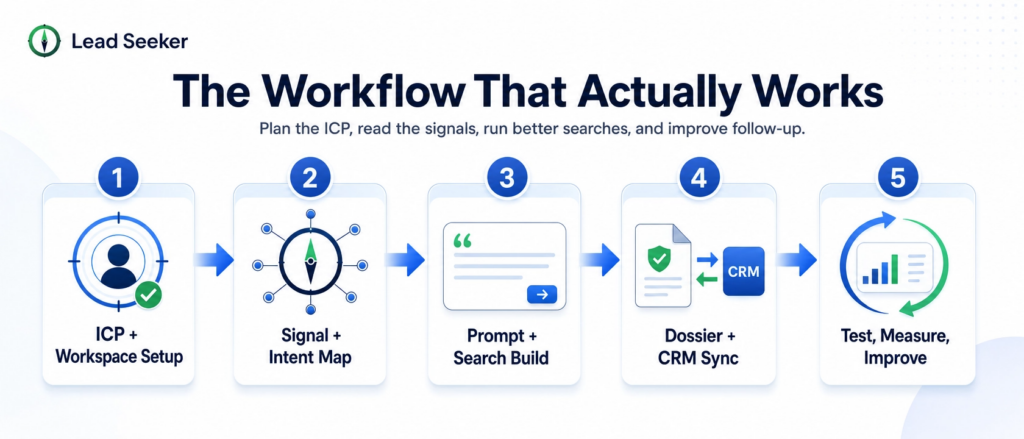
How Percepture Builds Trust for Complex B2B and Life Sciences Categories
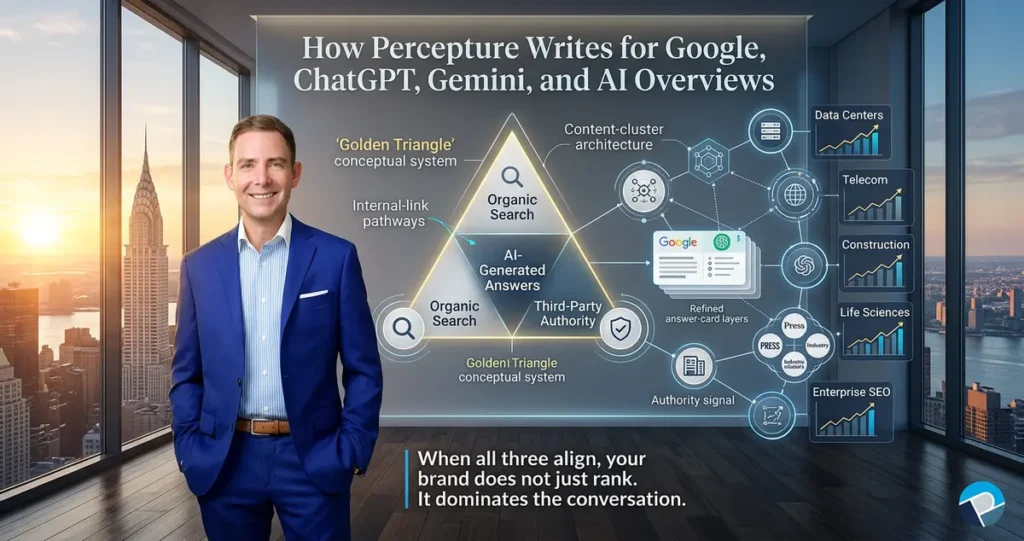
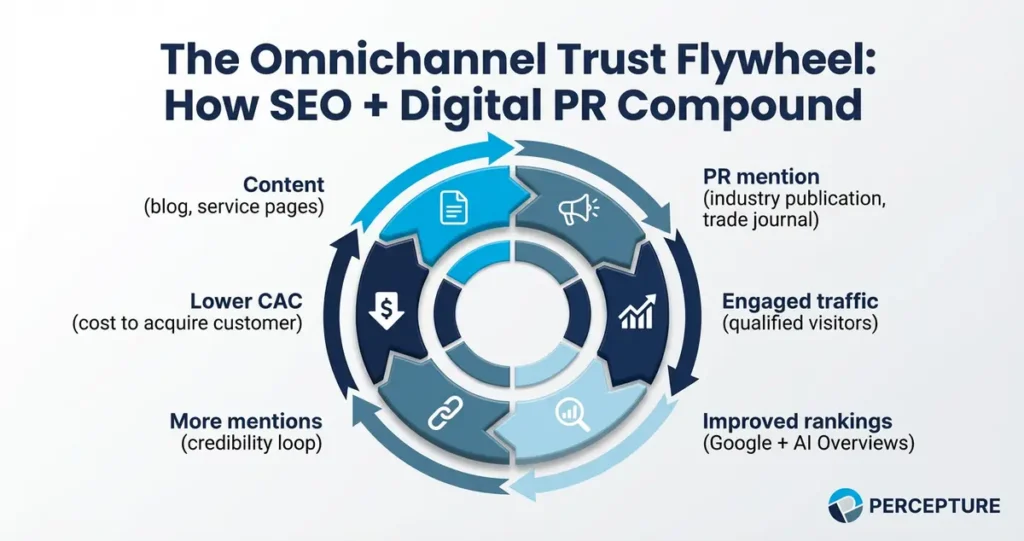
Percepture works across SEO, GEO, PR, content, paid media, AI agents, analytics, CRO, and lead generation. For complex B2B, healthcare-adjacent, and life sciences categories, the work is not just ranking a page. It is building a system that makes the category easier to find, understand, and trust.
Related reading and service pages
FAQs About Immune System Regeneration Therapies
What are the best immune system regeneration therapies?
The best immune system regeneration therapies depend on evidence and context. Physician-directed HSCT is proven in specific clinical settings. Foundational immune support is evidence-supported but not guaranteed regeneration. Fasting, thymic rejuvenation, immune modulation, and regenerative signaling are promising research areas. Broad stem cell, exosome, peptide, IV, and anti-aging claims require high caution.
Are any immune system regeneration therapies proven?
Yes, but only in specific medical contexts. Hematopoietic stem-cell transplantation can rebuild blood and immune cells under physician direction. FDA-approved stem cell products described in FDA consumer information are specific blood-forming stem-cell products for certain blood-production disorders.
Is stem-cell therapy approved for immune regeneration?
Stem-cell approval depends on the exact product, use, and medical context. FDA-approved stem cell products described in FDA consumer information are specific blood-forming stem-cell products for certain blood-production disorders. That does not support broad wellness, anti-aging, or general immune regeneration claims.
Are exosomes approved for immune system regeneration?
No FDA-approved exosome products are currently identified in FDA consumer information. Exosomes may be discussed as a research and cellular communication topic, but public marketing claims about immune regeneration, disease treatment, or cure should be treated as high caution.
Is fasting an immune regeneration therapy?
Fasting and fasting-mimicking diets are better described as promising research topics, not universal immune regeneration therapies. They may affect immune-cell turnover and repair pathways in research contexts, but fasting is not safe for everyone and should not be marketed as a guaranteed immune reset.
What is the difference between immune support and immune regeneration therapy?
Immune support helps normal immune function through sleep, nutrition, movement, preventive care, and medical management. Immune regeneration implies renewal, rebuilding, or restoration of immune cells or function. The second claim is stronger and needs clearer evidence, context, and regulatory review.
Where does BornScience fit into immune regeneration therapies?
BornScience and CFP-1 fit best as emerging category language around regenerative signaling and immune balance. This guide does not present them as proven therapies, FDA-approved treatments, disease interventions, or anti-aging reversal tools.
Is CFP-1 FDA-approved?
Public-facing category language for CFP-1 should not imply FDA approval unless the exact product, use, and approval status are clearly documented. Any disclaimer stating that a product has not been reviewed, approved, or evaluated by the FDA should remain visible and should guide the surrounding copy.
What therapy claims should raise red flags?
Red flags include cure, treatment, prevention, reversal, guaranteed regeneration, works-for-everyone, no-risk, no-side-effect, and FDA-approved claims without exact proof. A page can also create risk through implied claims in images, charts, testimonials, or CTAs.
Should someone talk to a doctor before considering regenerative therapies?
Yes. Anyone considering a regenerative therapy should speak with a licensed clinician who understands their medical history, risks, medications, and diagnosis. This article is for category evaluation and marketing strategy, not personal medical decision-making.
How should life sciences companies talk about promising therapies?
Life sciences companies should define the mechanism, evidence tier, regulatory status, study context, and claim limits. They should avoid turning promising science into treatment claims and should make sure sales, PR, SEO, and AI-search content all use the same boundaries.
What makes an immune regeneration therapy claim risky?
A claim becomes risky when it implies a health benefit that is broader than the evidence supports. Risk can come from direct words, implied messaging, visuals, rankings, testimonials, product names, or schema that makes a therapy sound more proven than it is.
Make regenerative science easier to find, trust, and evaluate.
Percepture helps healthcare, biotech, and life sciences companies build claim-safe SEO, GEO, PR, and content systems for complex markets. The goal is not to hype the science. The goal is to make evidence easier to understand and easier to act on.

About Bob Generale
Bob Generale is President of Percepture. He works with teams on SEO, GEO, PR, content strategy, and digital visibility programs for complex B2B and healthcare-adjacent markets. His role in this guide is to frame a sensitive life sciences category so business leaders can evaluate claims, search intent, and conversion strategy with more discipline.