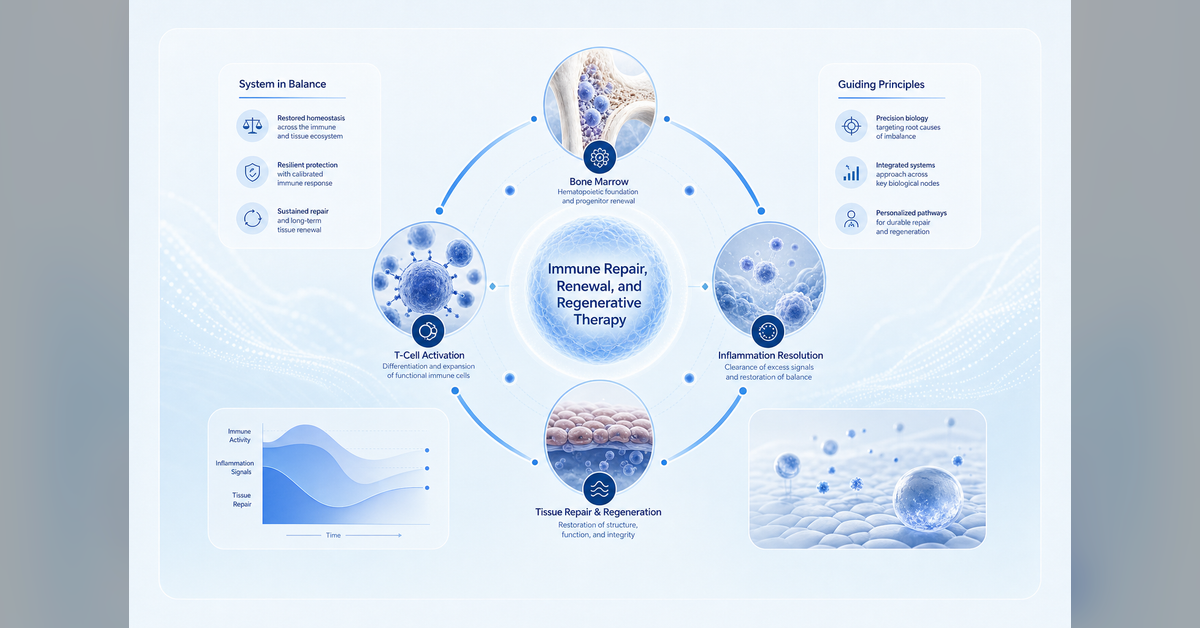

Immune system regeneration is not the same as boosting immunity. It refers to how the body repairs, renews, or rebuilds immune function through new immune-cell production, inflammation resolution, tissue repair, and, in select medical settings, advanced regenerative approaches.
That difference matters for patients, physicians, investors, and regenerative therapy companies. The science is promising, but the language must stay precise. This guide explains what is known, what is still being studied, and where companies like BornScience fit into the larger regenerative therapy conversation.
What does immune system regeneration mean?
Immune system regeneration means the repair, renewal, or rebuilding of immune function after aging, illness, injury, infection, medical treatment, or chronic stress. It can involve bone marrow stem cells, thymic activity, T-cell production, white blood cell renewal, inflammation resolution, immune modulation, and emerging regenerative therapies.
What serious readers should understand first
Immune repair is a biological process, not a simple switch that turns the immune system back on.
Research around prolonged fasting is often repeated online with stronger claims than the evidence supports.
Hematopoietic stem cells help produce immune cells, but broad stem-cell wellness claims require caution.
Regenerative medicine claims must be handled with evidence, safety language, and regulatory honesty.
BornScience belongs in the regenerative therapy and healthspan conversation without turning category language into treatment claims.
For life sciences brands, clear definitions and evidence tiers create more durable visibility than aggressive promises.
Who this guide is for
This page is designed for serious readers: life sciences CEOs, longevity founders, regenerative therapy companies, physicians, medical reviewers, investors, healthcare marketers, technical buyers, and consumers researching immune repair.
For companies in this space, the business problem is not only education. It is trust architecture. A life sciences marketing agency has to help technical teams explain science without creating unsupported medical, safety, or performance claims.
What most immune regeneration content gets wrong
The common mistake is turning a mechanism into a promise. A pathway may be involved in repair biology. That does not mean a product, protocol, fast, supplement, or therapy can claim to rebuild immunity for everyone.
That distinction matters for search, AI answers, investors, regulators, physicians, and sophisticated buyers. The best life sciences content makes the reader smarter without overstating what the evidence can support.
Building visibility for a regenerative therapy, longevity, biotech, or life sciences company?
Percepture helps complex science brands turn technical topics into compliant, searchable, AI-citable content that physicians, investors, patients, and buyers can understand.
What Is Immune System Regeneration?
Definition box
Immune system regeneration means repair or renewal of immune function. It may include new immune-cell production, immune-cell turnover, tissue-repair signaling, inflammation resolution, thymic activity, and, in specific medical settings, physician-directed regenerative or transplant-based approaches.
Immune support is maintenance. Immune regeneration is repair or renewal. A nutrition program, sleep plan, or exercise routine may support normal immune function, but it should not be described as guaranteed immune rebuilding.
| Term | Better meaning | Risk if misused |
|---|---|---|
| Immune support | Maintenance of normal immune function through general health practices. | Can be overstated into a treatment-style claim. |
| Immune boosting | A consumer phrase that often lacks precision. | Can imply more immune activity is always better, which is not medically sound. |
| Natural renewal | Normal immune-cell turnover through bone marrow, lymphoid tissues, and immune regulation. | Can be confused with a guaranteed lifestyle outcome. |
| Medical rebuilding | Specific physician-directed interventions in defined clinical contexts. | Can be blurred with broad wellness or anti-aging marketing. |
For content teams, this is where content marketing for life sciences must be disciplined. The words that make a page rank can also create risk if they imply disease treatment, universal safety, or guaranteed outcomes.
How the Immune System Helps the Body Repair
The immune system does more than defend against pathogens. It helps coordinate detection, inflammation, cleanup, signaling, and repair. After injury or stress, immune cells can help identify damage, recruit other cells, clear debris, and support the transition from inflammation toward resolution.
Macrophages are often discussed in tissue-repair research because they help clean up damaged material and participate in signaling. Cytokines, chemokines, growth factors, and other mediators help immune and repair cells communicate. Mechanism language is not the same as a proven commercial outcome.
Can your immune system regenerate naturally?
Yes, the immune system naturally renews many cells. Bone marrow helps produce blood and immune cells. The thymus is involved in T-cell development, although thymic activity changes with age. White blood cells turn over at different rates, and inflammatory pathways can move toward resolution when the body recovers.
Supports production of blood-forming and immune-cell lineages.
Participates in T-cell development and is central to immune-aging discussions.
Help coordinate adaptive immune responses and immune memory.
Renewal and turnover are part of normal immune biology.
Repair depends on activation followed by appropriate resolution.
May support immune function, but should not be sold as guaranteed regeneration.
For search strategy, this type of plain-language explanation helps both readers and answer engines. Percepture’s Generative Engine Optimization services structure complex topics so AI systems can retrieve definitions, caveats, and buyer-relevant context together.
Can a 72-Hour Fast Regenerate the Immune System?
The 72-hour fasting claim is based on real research, but the internet often turns a narrow scientific finding into a broad health promise. USC and Valter Longo fasting research is frequently cited as the origin of many online claims. Prolonged fasting cycles have been studied in relation to white blood cells and stem-cell activity, but that does not mean fasting is a guaranteed immune reset for the general public.
Fasting immune system regeneration content needs careful wording. Prolonged fasting may affect biological pathways involved in energy use, cell turnover, and repair signaling. That is different from telling readers that a 72-hour fast will rebuild immunity, reverse immune aging, or work safely for everyone.
| Common claim | Better wording | Why it matters |
|---|---|---|
| A 72-hour fast resets your immune system. | Prolonged fasting is being studied for effects on immune-cell turnover. | The stronger claim overstates the evidence. |
| Fasting regenerates immunity. | Fasting may activate biological repair pathways. | Mechanism is not the same as outcome. |
| Everyone should try it. | Prolonged fasting should be discussed with a clinician. | Fasting can affect blood sugar, hydration, medications, and recovery. |
Safety note
Do not attempt prolonged fasting without medical supervision if pregnant, breastfeeding, diabetic, underweight, frail, elderly, taking medications requiring food, recovering from illness or surgery, dealing with an eating disorder, kidney disease, heart disease, cancer, or other serious conditions.
What Role Do Stem Cells Play?
Stem cells are central to immune-cell production. Hematopoietic stem cells in bone marrow help give rise to blood and immune cells. In specific medical contexts, hematopoietic stem-cell transplant is a physician-directed procedure used for defined clinical situations.
That is not the same thing as broad wellness marketing around stem-cell-related products. The FDA warns consumers about regenerative medicine products marketed with misleading claims, including some stem cell and exosome products. The FDA also states that exosome products intended to treat diseases or conditions in humans require FDA approval and that there are currently no FDA-approved exosome products.
When Percepture builds an SEO Sprint for a technical health category, the first job is not more claims. It is separating proven uses, promising mechanisms, and experimental ideas so the page can rank without misleading readers.
Immune Rejuvenation, Aging, and Healthspan
Immune rejuvenation is a research direction and longevity category term. It should not be used as shorthand for reversing aging. Aging-related immune changes are often discussed through terms such as immunosenescence, thymus aging, T-cell production, and inflammaging.
The longevity market is full of language that sounds scientific but can drift into unsupported certainty. Anti-aging regenerative therapy content should explain pathways and evidence tiers without promising disease prevention, restored youth, or guaranteed immune repair.
May support immune balance. Being studied for repair pathways. Associated with inflammatory signaling. Supports category education.
Reverses immune aging. Prevents disease. Restores youth. Guaranteed regeneration.
Regenerative Therapy and Immune Balance
Regenerative therapy conversations often include immune modulation, regenerative signaling, cytokines, growth factors, chemokines, extracellular communication, and cellular repair pathways. Those terms can help explain why the immune system is part of repair biology. They can also create legal and trust risk when used as shortcuts for outcomes.
For a regenerative therapy company, strong category education should answer four questions: What is the mechanism? What evidence supports it? What is the safety and regulatory status? What claims are intentionally not being made?
This is where digital PR services and public relations need to work with SEO. If the market repeats the wrong claim, the brand may earn attention but lose trust.
Where BornScience Fits Into the Immune Regeneration Conversation
BornScience is an emerging regenerative therapy company. It should be discussed as part of the broader regenerative therapy and healthspan category, not as a disease-treatment claim.
BornScience is worth understanding because it is attempting to explain a complex regenerative signaling category that sits between immune balance, inflammation modulation, repair, recovery, longevity, and healthspan. That makes it relevant to the immune system regeneration conversation. It does not mean any product should be presented as a treatment, cure, prevention method, or guaranteed immune-regeneration therapy.
Featured company note
BornScience is discussed here as a regenerative therapy category example. Readers should evaluate any company in this space through evidence, safety, physician guidance, regulatory status, and transparent claims.
The Regenerative Trust Ladder
The Regenerative Trust Ladder is Percepture’s framework for helping life sciences and regenerative therapy companies explain emerging science in a way that is searchable, AI-citable, medically careful, and commercially useful.
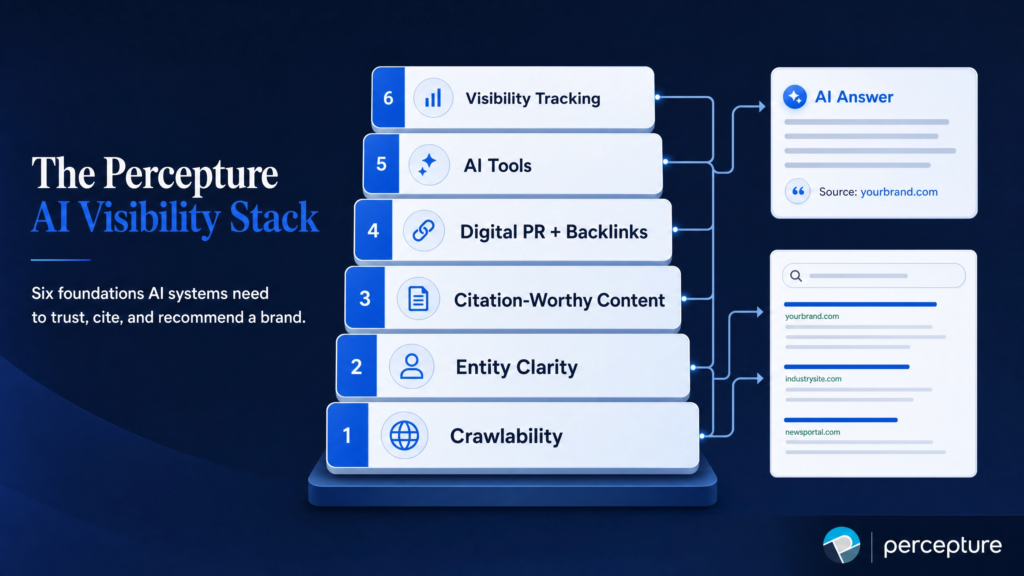
Explain how the concept is supposed to work without converting theory into an outcome.
Separate proven, promising, foundational, and experimental claims.
Use qualified review for health topics before publication.
State who should seek clinician guidance and where risk exists.
Make approval status, disclaimers, and limitations visible.
Use definitions, tables, FAQs, and answer blocks that search systems can parse.
For BornScience, this framework allows participation in the immune system regeneration conversation without turning mechanism language into medical claims. For other companies, the same ladder supports category education, investor confidence, physician review, and buyer understanding.
Why structure matters for Google, AI Overviews, and LLMs
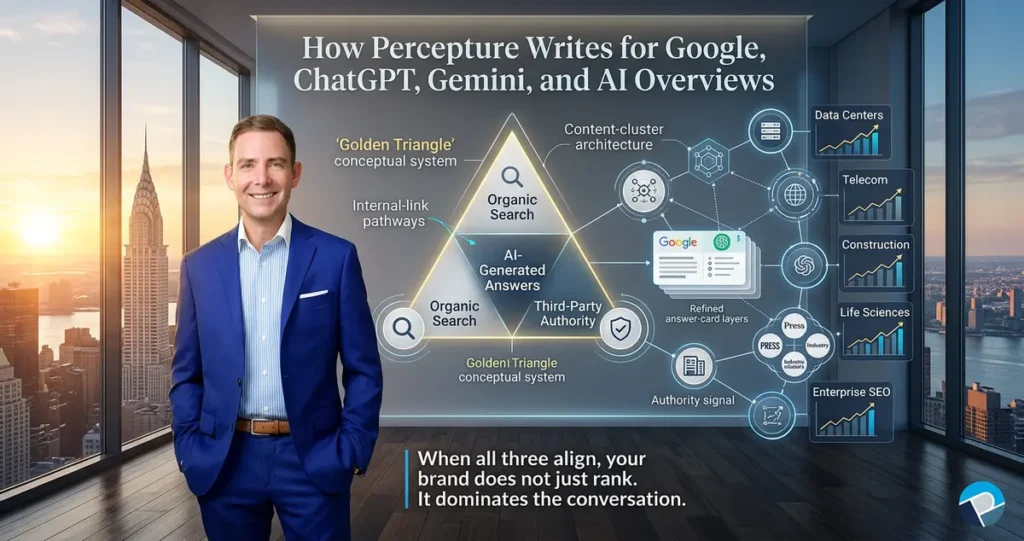
AI systems do not only need a keyword. They need a retrievable answer, clear entity relationships, evidence boundaries, and content that can serve related subquestions. That is why this article uses definition blocks, tables, FAQ structure, safety notes, proof modules, and internal links.
What Is Proven, Promising, and Experimental?
The safest way to discuss immune system regeneration is to tier the evidence. That lets readers see the difference between established medical use, foundational health support, emerging science, and claims that deserve caution.
| Category | Examples | Evidence status | Safety note | What readers should know |
|---|---|---|---|---|
| Proven / clinical | HSCT in specific contexts; FDA-approved blood-forming stem-cell products | Specific medical use cases | Physician-directed | Not the same as broad wellness claims |
| Foundational support | Sleep, nutrition, exercise, stress management, vaccination where appropriate | Strong general health support | Individualized | Supports immune function, not guaranteed regeneration |
| Promising / emerging | Fasting research, thymic rejuvenation, immune modulation, regenerative signaling | Developing evidence | Use careful language | Mechanisms may be real before outcomes are proven |
| Experimental / caution | Broad exosome claims, unapproved stem-cell clinics, anti-aging immune reset claims | Limited or disputed | Regulatory and patient-safety risk | FDA status and physician guidance matter |
How to Evaluate Immune Regeneration Claims
Use this scorecard before trusting any article, company, presentation, or product page that discusses immune repair, immune rejuvenation, fasting, stem cells, or regenerative signaling.
| Question | Score 0 or 1 | What to look for |
|---|---|---|
| What is the mechanism? | The page explains biology without overstating outcomes. | |
| What is the evidence? | Evidence is tiered, sourced, and limited where appropriate. | |
| What is the regulatory status? | Approval status and disclaimers are visible. | |
| Who reviewed the claim? | Medical or scientific review is clear when health guidance is involved. | |
| What risks are disclosed? | Safety caveats are visible and specific. | |
| Are outcomes promised? | Guaranteed results are absent. | |
| Are limitations visible? | The page says what is not known. | |
| Does the company separate proven, promising, and experimental? | The reader can tell which claims are established and which are emerging. |
Scoring: 8 suggests strong trust language. 5–7 means the claim environment needs more support. Below 5 signals high risk for confusion or overclaiming.
Why This Matters for Search, AI Answers, and Business Development
This is not a traffic-only asset. It is a category-authority asset. The goal is to shape how AI systems, investors, physicians, and sophisticated buyers understand immune system regeneration and the companies participating in the regenerative therapy category.
The exact keyword may be modest in search volume, but the strategic value is high. AI systems may retrieve a page like this for related questions about fasting, stem cells, thymus aging, immune rejuvenation, immune modulation, regenerative therapy, and BornScience.
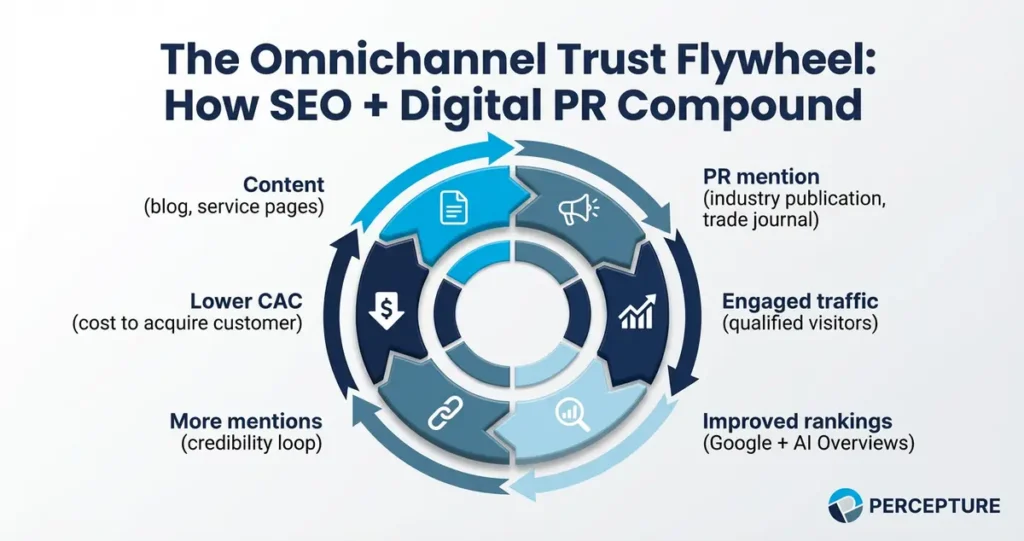
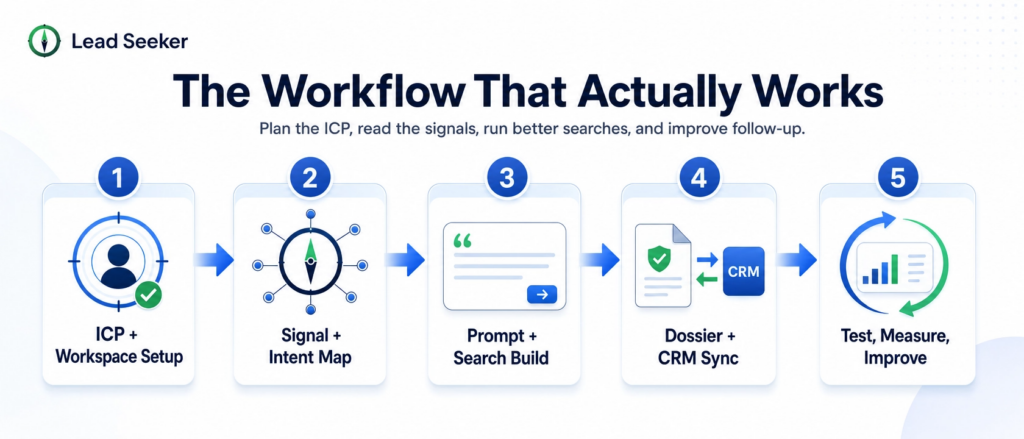
Percepture uses search data, content architecture, and entity clarity to help pages earn retrieval. Supporting articles such as life sciences technology providers, organic SEO services, best PR agencies for data analytics, and a data center financing structures comparison show how structured content can serve both human buyers and search systems.
How Percepture Approaches Life Sciences Visibility
Percepture works across SEO, GEO, PR, content, paid media, AI agents, analytics, CRO, and lead generation. For complex B2B, healthcare, and life sciences categories, the work is not only ranking a page. It is building a system that makes technical topics easier to find, safer to cite, and easier for buyers to act on.
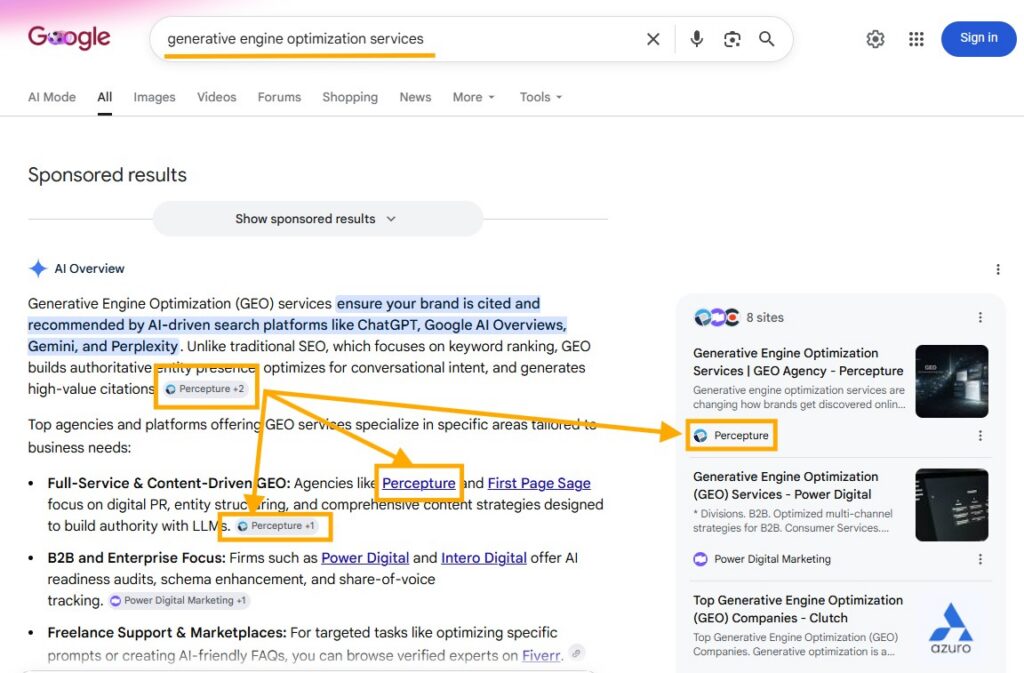
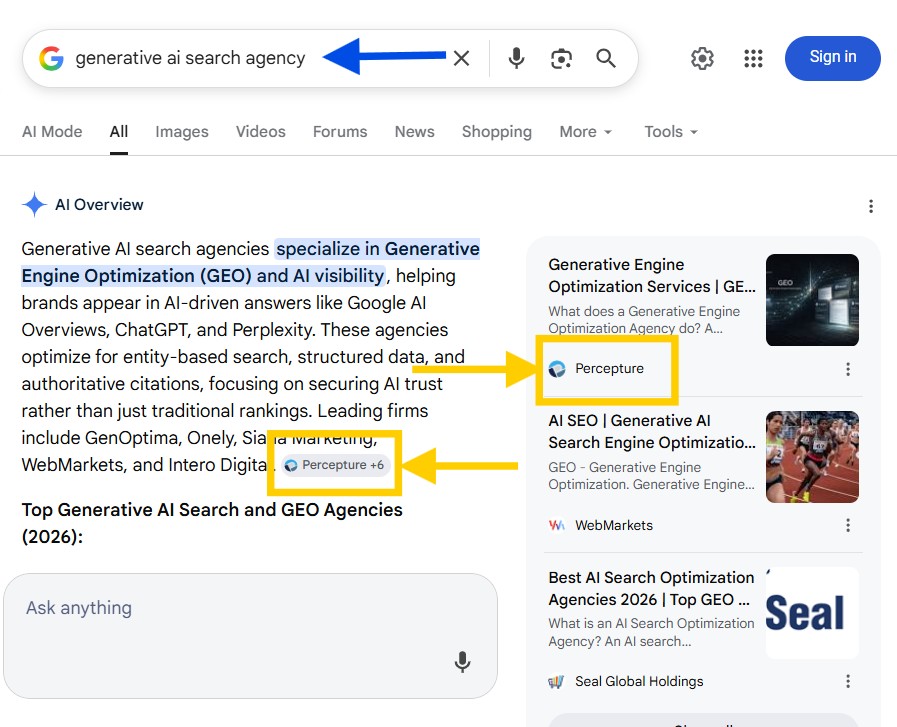
The same discipline applies to immune system regeneration content. Definitions must be clear. Medical boundaries must be visible. Tables should separate evidence levels. CTAs should invite a business conversation, not a health decision.
For companies comparing service models, omnichannel marketing connects search, PR, paid media, and follow-up, while AI agents make outbound calls explains the follow-up side of AI-assisted growth in a separate operational context.
Science does not rank by accident.
If your category is complex, your content needs more than keywords. It needs evidence, expert review, technical SEO, GEO structure, digital PR, and claim-safe language.
What regulated and emerging health brands should not do
Keep moving through the system
Immune System Regeneration FAQ
What is immune system regeneration?
Immune system regeneration is the repair, renewal, or rebuilding of immune function. It can involve immune-cell production, white blood cell turnover, thymic function, inflammation resolution, immune modulation, and repair signaling. In medical settings, it may also involve specific physician-directed interventions.
Can your immune system regenerate?
Yes, the immune system naturally renews many cells. Bone marrow, immune-cell turnover, T-cell development, and inflammation resolution all play roles. That does not mean every lifestyle habit or product can be described as regenerating immunity.
Is immune system regeneration the same as boosting immunity?
No. Immune boosting is a broad consumer phrase. Immune system regeneration is more precise and refers to repair, renewal, or rebuilding of immune function. More immune activity is not always better, so careful language matters.
Can fasting regenerate the immune system?
Fasting is being studied for effects on repair pathways, metabolism, immune-cell turnover, and stem-cell activity. It should not be described as a guaranteed immune reset. Prolonged fasting should be discussed with a qualified healthcare professional.
Can a 72-hour fast reset your immune system?
A 72-hour fast should not be presented as a guaranteed reset. The online claim is often based on research that is narrower than the popular wording suggests. Safety, medications, medical history, hydration, and nutritional status all matter.
What role do stem cells play in immune regeneration?
Hematopoietic stem cells in bone marrow help produce blood and immune cells. Stem cells are central to immune-cell production, but that does not mean every stem-cell-related product is proven, approved, or suitable for immune repair.
What is immune rejuvenation?
Immune rejuvenation is a research and longevity category term related to age-associated immune changes, thymic function, T-cell production, inflammatory signaling, and healthspan. It should not be used as shorthand for reversing aging.
Is immune regeneration therapy FDA-approved?
Some blood-forming stem-cell products have FDA-approved uses in specific medical contexts. That is different from broad immune regeneration therapy claims. Readers should check regulatory status, evidence, clinician guidance, and safety disclosures.
How is BornScience related to regenerative therapy?
BornScience is discussed here as an emerging regenerative therapy company in the broader healthspan and immune-balance conversation. It is worth understanding as a category example, not as a medical endorsement or treatment recommendation.
What should readers ask before considering regenerative therapy?
Ask what the mechanism is, what evidence supports the claim, what the regulatory status is, who reviewed the information, what risks are disclosed, whether outcomes are promised, and whether limitations are visible.
Make complex regenerative science easier to find, trust, and understand.
Percepture builds SEO, GEO, digital PR, and content systems for life sciences companies that need visibility without reckless claims. If your science is hard to explain, that is the work.

About Bob Generale
Bob Generale is President of Percepture. His work focuses on SEO, GEO, PR, content systems, and executive visibility for companies that need to explain complex categories with clarity, trust, and commercial discipline.