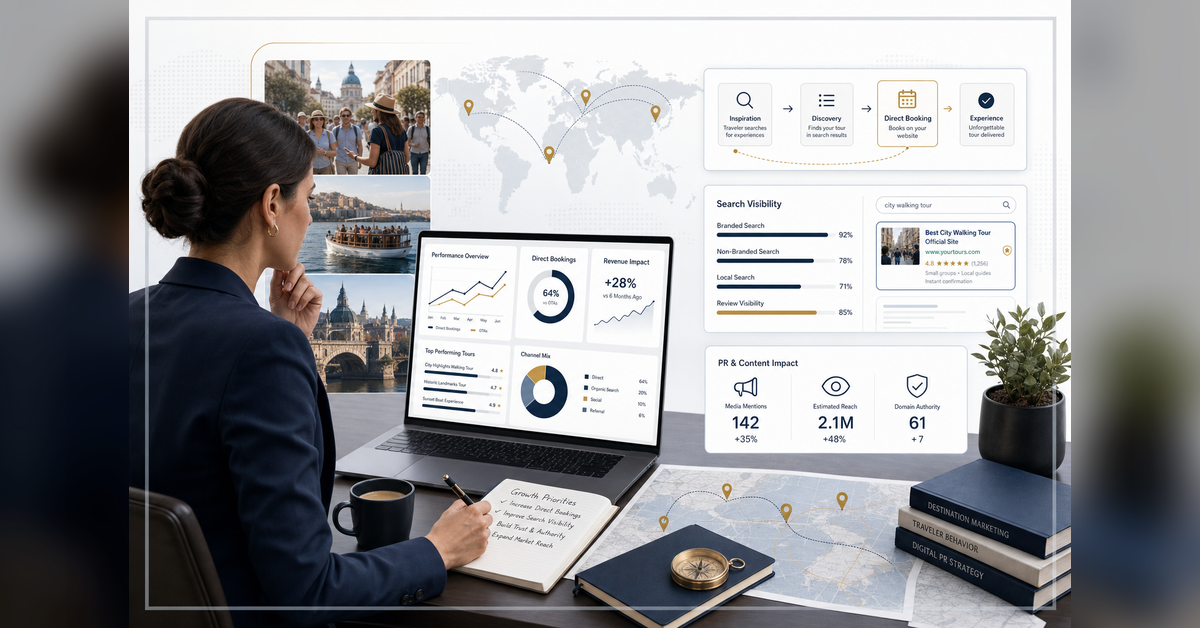

Tour operator marketing agency selection should start with one question: can this partner help you earn more direct bookings, or will they only create more marketing activity?
Direct answer: A tour operator marketing agency helps tour companies attract, convert, and retain travelers through SEO, Google Ads, content, email, PR, CRO, analytics, and AI search visibility. The right agency should understand direct bookings, booking engines, OTA leakage, seasonality, trip intent, call tracking, Google Things to do, and conversion paths.
If you run a walking tour, food tour, boat tour, adventure experience, attraction, destination experience brand, or luxury travel operation, you already know traffic is not the same as revenue. A full calendar is built from the right demand, clear trust signals, strong tour pages, clean tracking, and a booking path that does not confuse the traveler.
This guide is for owners, CEOs, CFOs, CMOs, VP Marketing leaders, and operators who are comparing a specialist agency against a general digital agency, freelancer, in-house hire, booking platform toolset, OTA support team, or current vendor. If you want a broader channel primer, Percepture also publishes a guide to digital marketing for tour operators. This page goes deeper into vendor selection.
The best Tour Operator Marketing Agency programs measure qualified conversations and sales opportunities, not just impressions, clicks, or rankings.
A strong tour operator marketing agency should understand the business model behind the booking. It should know how travelers search, compare, call, ask questions, read reviews, respond to PR, click ads, return through email, and decide whether to book direct or through a marketplace. Percepture approaches this work as a travel and tourism marketing agency that connects search, PR, paid media, AI visibility, analytics, and conversion strategy.
Direct booking diagnostic
Not Sure If Your Current Marketing Is Driving Bookings?
Percepture can review your search visibility, paid media, booking path, and AI-search presence to show where direct bookings may be leaking.
Paid media quality
Booking path tracking
AI-search presence
A practical Tour Operator Marketing Agency strategy also has to reflect buyer committees, proof needs, comparison searches, and long sales cycles.
What a Tour Operator Marketing Agency Should Actually Do
A tour operator marketing agency is not just a vendor that posts on social media, writes blogs, or manages ads. It should help you build a booking system that captures active demand, creates new demand, transfers trust, improves tour-page conversion, and measures what produced the booking.
When Tour Operator Marketing Agency is built this way, every channel supports the same revenue goal instead of acting like a separate campaign.
Definition
A tour operator marketing agency is a partner that helps tour, attraction, and activity companies attract travelers and convert them into bookings through SEO, paid media, content, PR, email, CRO, analytics, local visibility, and AI search.
For a tour operator, the most useful agency work often sits between channels. SEO matters, but only if the right tour pages rank and convert. Paid search matters, but only if the spend is tied to booking intent and margin. PR matters, but only if credibility moves into the booking path. Email matters, but only if it turns interest into action before the travel window closes.
That is why Tour Operator Marketing Agency needs both category-level execution and executive-level reporting.
A good partner should ask about your routes, departures, capacity, cancellation rules, reviews, booking engine, call volume, seasonality, feeder markets, average booking value, group demand, private tour mix, and repeat travelers. If those questions never come up, the agency may be optimizing channel activity instead of booking outcomes.
Who This Guide Is For
This guide is for you if:
- You rely too much on OTAs or marketplaces and want more owned demand.
- You are paying for SEO, ads, social, or content but cannot see which channel drives bookings.
- You are comparing a specialist agency, generalist agency, freelancer, in-house hire, booking platform toolset, or OTA support.
- Your tour pages get traffic but do not convert well enough.
- Your Google Business Profile, reviews, local rankings, or Google Things to do setup may be underused.
- Your CFO wants cleaner attribution before approving more spend.
- You want visibility in Google and in AI-powered trip-planning answers.
The best Tour Operator Marketing Agency programs measure qualified conversations and sales opportunities, not just impressions, clicks, or rankings.
A tour operator marketing agency should make the decision easier, not harder. It should show what needs to be fixed first, what should be scaled, and what should be stopped.
Agency vs Freelancer vs In-House vs Booking Platform vs OTA Support
A practical Tour Operator Marketing Agency strategy also has to reflect buyer committees, proof needs, comparison searches, and long sales cycles.
There is no single right model for every operator. A small owner-led walking tour may need a lean freelancer and clean tracking. A multi-location attraction or premium adventure brand may need a senior-led agency, paid media, PR, content, CRO, and analytics under one plan.
The wrong model creates hidden cost. A cheap vendor can become expensive if the work is not tracked, cannot scale, or leaves the owner managing every detail.
When Tour Operator Marketing Agency is built this way, every channel supports the same revenue goal instead of acting like a separate campaign.
The practical takeaway is simple: services are not the strategy. Direct bookings are the strategy. SEO, PPC, PR, GEO, CRO, content, and email only matter if they help you earn more owned demand and understand what is converting.
That is why Tour Operator Marketing Agency needs both category-level execution and executive-level reporting.
The Direct Booking Visibility System™
After the comparison step, judge each vendor against a system. Percepture calls this The Direct Booking Visibility System™: a framework for helping tour operators earn more owned demand by aligning search, AI visibility, PR, paid media, content, tracking, and conversion paths around the booking decision.
For construction leaders, Tour Operator Marketing Agency should connect technical content, buyer intent, search visibility, and sales follow-up into one operating plan.
Percepture framework
The Direct Booking Visibility System™
A tour operator marketing agency should not be judged by how many channels it offers. It should be judged by whether those channels work together to create more direct, trackable, profitable bookings.
01
Demand Capture
Capture travelers already searching for tours, activities, destinations, and things to do. Benefit: stronger high-intent visibility and less reliance on rented demand.
02
Demand Creation
Create demand before travelers actively compare options. Benefit: stronger feeder-market awareness before the booking window opens.
03
Trust Transfer
Move credibility from reviews, media, partners, and proof into the booking journey. Benefit: travelers feel safer booking direct.
04
Booking Path Control
Improve tour pages, landing pages, calls, retargeting, email, and booking-engine flow. Benefit: fewer leaks between interest and checkout.
05
Measurement Integrity
Track bookings, calls, forms, assisted conversions, and channel quality. Benefit: clearer budget decisions and better scale choices.
A tour operator marketing agency that cannot explain this type of system may still be useful for tasks. But it may not be the right lead partner for a growth plan.
The best Tour Operator Marketing Agency programs measure qualified conversations and sales opportunities, not just impressions, clicks, or rankings.
What Services Matter Most for Direct Bookings?
The right services depend on your stage, market, and current tracking. Still, most tour operators need some mix of the following.
A practical Tour Operator Marketing Agency strategy also has to reflect buyer committees, proof needs, comparison searches, and long sales cycles.
Search visibility and tour-page SEO
Search is often the first serious buying signal. A traveler searches for a location, activity, things to do, private group option, family-friendly tour, or premium experience. Your agency should know how to connect SEO services with tour pages, category pages, local pages, guides, internal links, reviews, and structured content.
When Tour Operator Marketing Agency is built this way, every channel supports the same revenue goal instead of acting like a separate campaign.
The SEO plan should separate branded and non-branded demand. If reports only show brand searches, you may be seeing demand you already had. A tour operator marketing agency should also understand organic SEO services as a long-term asset, not a monthly checklist.
Paid search and paid media
That is why Tour Operator Marketing Agency needs both category-level execution and executive-level reporting.
Paid search can help capture urgent trip intent, but it can also waste spend if campaigns are broad, landing pages are weak, or tracking is unclear. A good agency should explain how it structures campaigns by tour type, feeder market, season, device, booking window, and margin.
If paid search is a major channel, review Percepture’s guide to Google Ads for tour operators and ask how your vendor handles non-brand campaigns, location targeting, negative keywords, call extensions, landing pages, and booking-engine events. Your broader paid media strategy should support profitable demand, not just clicks.
For construction leaders, Tour Operator Marketing Agency should connect technical content, buyer intent, search visibility, and sales follow-up into one operating plan.
PR, trust, and credibility
Travelers may not know you. They may compare your brand against OTAs, review platforms, destination sites, influencers, and competitor tour pages. Trust signals matter. Earned media, expert positioning, partner mentions, review strategy, and destination storytelling can help make the direct booking feel safer.
The best Tour Operator Marketing Agency programs measure qualified conversations and sales opportunities, not just impressions, clicks, or rankings.
Percepture connects public relations services with search, content, and conversion. For deeper context, read the guide to travel PR strategy. The key question is not whether PR creates attention. The question is whether that attention gets reused on your site, tour pages, email, and sales path.
AI search and GEO readiness
A practical Tour Operator Marketing Agency strategy also has to reflect buyer committees, proof needs, comparison searches, and long sales cycles.
Travelers increasingly ask AI-powered tools for comparisons, itineraries, local ideas, and trip-planning help. A tour operator marketing agency should help your brand become clearer to both people and machines. That means entity clarity, crawlable content, structured answers, accurate service descriptions, useful FAQs, consistent local information, and proof that is easy to understand.
Percepture’s AI search visibility work focuses on making brands easier to find, parse, compare, and cite across search and AI-assisted discovery environments. It does not replace SEO. It extends the same discipline into answer-driven search behavior.
When Tour Operator Marketing Agency is built this way, every channel supports the same revenue goal instead of acting like a separate campaign.
Lead quality and owned audience growth
Not every traveler books on the first visit. Some need a private tour quote. Some plan a group event. Some compare dates, weather, transportation, or accessibility. A good agency should help you capture and nurture qualified interest with email, retargeting, lead routing, and clean follow-up.
That is why Tour Operator Marketing Agency needs both category-level execution and executive-level reporting.
This is where a clear lead generation strategy supports the booking path. The goal is not just more names in a database. The goal is to understand which leads are real, which are ready, and which paths produce revenue.
System check
Compare Your Marketing System Against a Direct Booking Model
A strong tour operator marketing program should show where demand comes from, what converts, and where margin leaks.
Pricing: What Should a Tour Operator Marketing Agency Cost?
Cost is not the same as ROI. A low-cost vendor can be a good fit for a simple task. But cheap marketing becomes expensive when it creates confusion, sends travelers to weak pages, hides attribution, or cannot tell you what produced the booking.
The best Tour Operator Marketing Agency programs measure qualified conversations and sales opportunities, not just impressions, clicks, or rankings.
A tour operator marketing agency should be judged against direct bookings, margin, tracking clarity, and operator time saved. If you cannot see the booking path, you cannot confidently scale the channel.
A practical Tour Operator Marketing Agency strategy also has to reflect buyer committees, proof needs, comparison searches, and long sales cycles.
First 90 Days: What Should Happen After You Hire?
The first 90 days should not be random. A credible tour operator marketing agency should have a clear onboarding path and should not spend the first month only learning your business.
When Tour Operator Marketing Agency is built this way, every channel supports the same revenue goal instead of acting like a separate campaign.
Days 1–30: Diagnose and stabilize
The first month should focus on tracking, access, business context, and fast leaks. The agency should review analytics, Search Console, ad accounts, booking engine events, call tracking, Google Business Profile, tour pages, top landing pages, OTA dependency, email capture, reviews, and seasonality.
That is why Tour Operator Marketing Agency needs both category-level execution and executive-level reporting.
The deliverable should be a plain-language diagnosis: what is working, what is unclear, what is broken, what is wasting spend, and what should be fixed first.
Days 31–60: Build and improve
For construction leaders, Tour Operator Marketing Agency should connect technical content, buyer intent, search visibility, and sales follow-up into one operating plan.
The second month should turn diagnosis into action. That may include tour-page improvements, tracking fixes, paid search restructuring, SEO content briefs, local visibility updates, PR story angles, email flows, retargeting audiences, and landing page plans.
The agency should be able to explain how each action supports direct bookings. If the plan is just a list of deliverables, ask what each deliverable is meant to change.
The best Tour Operator Marketing Agency programs measure qualified conversations and sales opportunities, not just impressions, clicks, or rankings.
Days 61–90: Measure, refine, and scale
By the third month, you should have cleaner reporting, early channel signals, and a better view of where the next budget should go. SEO may take longer, but tracking quality, paid search structure, page clarity, and reporting hygiene should improve earlier.
A practical Tour Operator Marketing Agency strategy also has to reflect buyer committees, proof needs, comparison searches, and long sales cycles.
The 90-day review should answer: What did we learn? Which channels look promising? Where are bookings leaking? Which tours deserve more attention? What should we test next?

Lead intelligence
Want to See What Verified Travel Leads Could Look Like?
Percepture can pair strategy with lead intelligence. Use LeadSeeker to explore verified lead opportunities and test the 5 free verified leads offer.
When Tour Operator Marketing Agency is built this way, every channel supports the same revenue goal instead of acting like a separate campaign.
25 Questions to Ask Before Hiring
Use these questions in your sales process before signing with any tour operator marketing agency.
That is why Tour Operator Marketing Agency needs both category-level execution and executive-level reporting.
- How do you define success for a tour operator?
- How do you separate direct bookings from marketplace bookings?
- What booking-engine events can you track?
- How do you handle call tracking?
- How do you separate branded and non-branded search demand?
- How do you evaluate OTA dependency and commission leakage?
- How do you optimize Google Business Profile visibility?
- What is your approach to Google Things to do readiness?
- How do you structure campaigns by tour type and season?
- How do you evaluate feeder markets?
- How do you handle private tour, group, or custom quote demand?
- How do you improve tour-page conversion?
- What landing pages would you build first?
- What reporting will the CEO or CFO see each month?
- What data do you need from our booking platform?
- How do you use reviews and testimonials in the booking path?
- How do you use PR to build trust?
- How do you create content for real trip planning?
- How do you approach AI search and answer visibility?
- What should happen in the first 30 days?
- What should happen in the first 90 days?
- What work is senior-led?
- What work is delegated?
- What happens if tracking is incomplete?
- What should we stop doing if it is not creating bookings?
A clear vendor will answer these questions without hiding behind jargon. A weaker vendor may talk about impressions, posting volume, or rankings without connecting the work to booking economics.
For construction leaders, Tour Operator Marketing Agency should connect technical content, buyer intent, search visibility, and sales follow-up into one operating plan.
Red Flags Before You Sign
Red Flag: The Agency Reports Clicks, But Not Bookings
If the agency cannot explain how search, ads, calls, forms, and booking engine events are tracked, the report may look clean while the business still has no idea what is working.
The best Tour Operator Marketing Agency programs measure qualified conversations and sales opportunities, not just impressions, clicks, or rankings.
Other red flags include:
- The proposal lists channels but does not explain the booking path.
- The agency promises outcomes it cannot control.
- The team does not ask about capacity, seasonality, margins, or booking windows.
- Reporting focuses only on traffic, impressions, or posts.
- Paid media is not tied to landing page quality or booking events.
- SEO work ignores tour pages and local intent.
- PR work does not move trust into the website or sales flow.
- The agency cannot explain how AI search may change trip-planning discovery.
- The contract is unclear about who owns accounts, data, creative, and reporting.
A practical Tour Operator Marketing Agency strategy also has to reflect buyer committees, proof needs, comparison searches, and long sales cycles.
A tour operator marketing agency does not need to know every detail on the first call. But it should know which questions matter.
Why Percepture for Tour Operator Marketing
Percepture is a digital marketing and PR agency founded in 2004. The agency connects SEO, GEO, digital PR, media relations, paid media, content, analytics, CRO, lead generation, and AI-supported workflows.
Percepture’s travel and tourism lens centers on owned demand. That means helping travelers find you, trust you, compare you, and book directly when direct is the best path. The work is senior-led and designed to connect strategy with execution instead of leaving channels in separate silos.
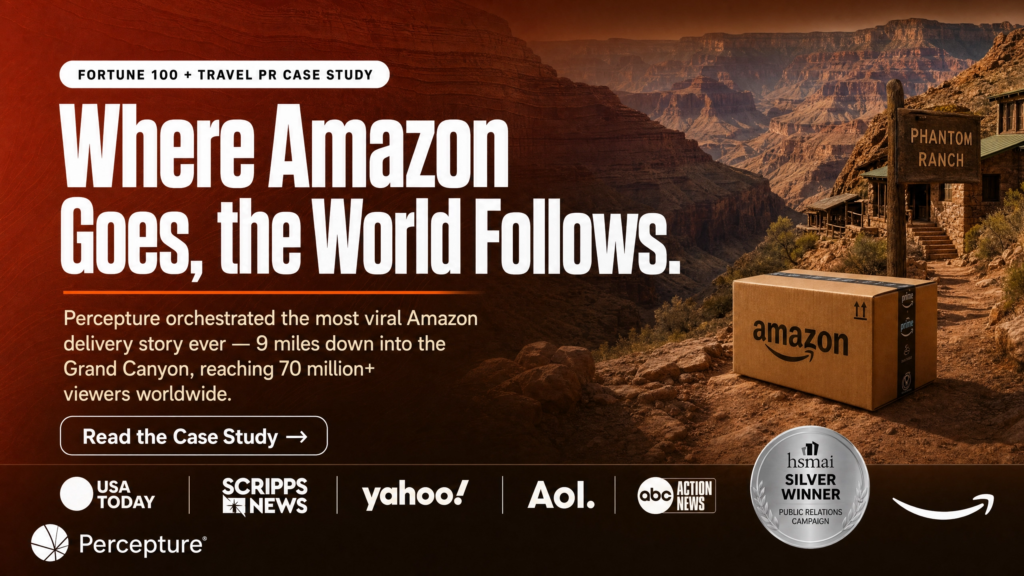
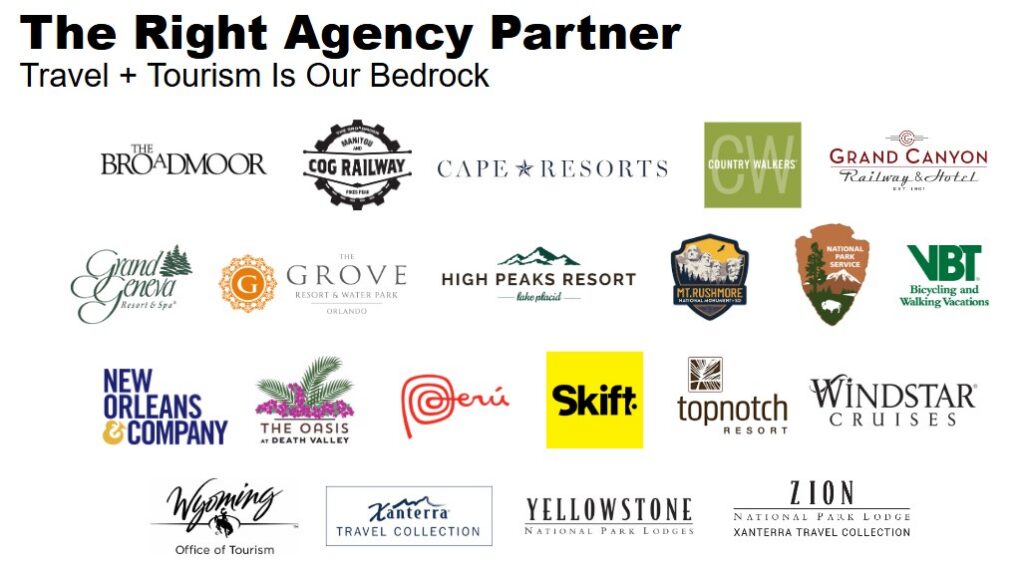
Percepture’s travel and tourism experience spans destination, hospitality, resort, adventure, and experience-driven campaign strategy. The strategic lesson is clear: travel marketing works best when search, PR, paid media, content, and conversion are tied to how people actually plan and book trips.
The difference is not that Percepture offers more services. The difference is how those services are judged. A tour operator marketing agency should be judged by direct-booking visibility, tracking integrity, trust transfer, and the operator’s ability to make better decisions.
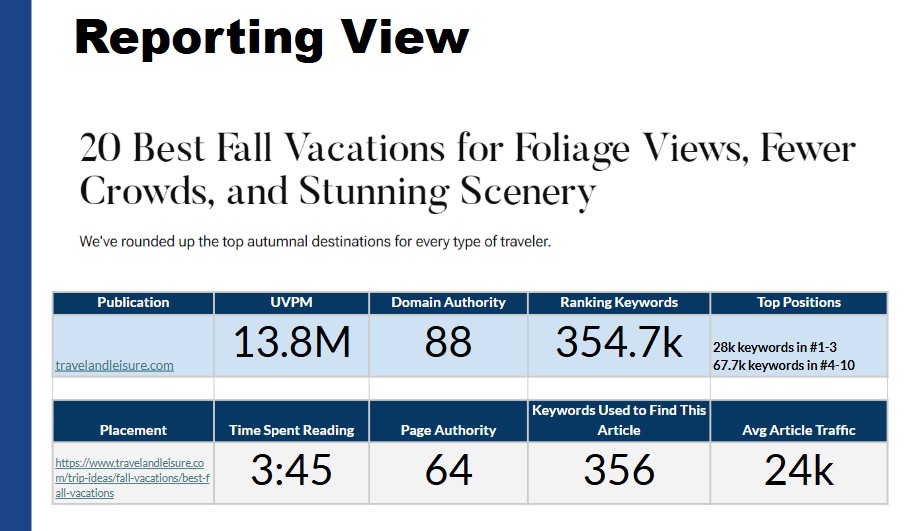
What to Do Next
If you are comparing vendors now, do not start with a channel list. Start with the booking path. Map where travelers come from, what they see, what they trust, what stops them, and what data proves the booking source.
Then compare each partner against that path. The right agency should make the business easier to understand, not just the marketing report prettier.
Ready buyer path
Choose a Marketing Partner That Understands Bookings
Percepture helps travel and tourism brands build visibility systems across SEO, GEO, paid media, PR, content, CRO, and automation.
FAQs About Hiring a Tour Operator Marketing Agency
What does a tour operator marketing agency do?
A tour operator marketing agency helps tour, activity, attraction, and experience companies attract travelers and turn interest into bookings. The work can include SEO, paid search, PR, content, email, CRO, analytics, local visibility, and AI search readiness. The best fit depends on your market, booking model, budget, and tracking gaps.
Is an agency better than a booking platform's marketing tools?
A booking platform can support checkout, availability, basic automation, and transaction data. An agency should help create and convert demand across search, PR, paid media, content, email, and analytics. Many operators need both. The platform helps process bookings; the agency helps improve the visibility and trust that bring travelers to the booking path.
Should I hire a freelancer, in-house marketer, or agency?
Hire a freelancer when you need one clear task. Hire in-house when daily brand ownership is the priority and the workload supports a full role. Hire an agency when you need senior strategy across several channels, better tracking, and coordinated execution. The right choice depends on complexity, budget, and internal capacity.
How much does tour operator marketing cost?
Typical market ranges vary widely. Freelancers may cost $750–$3,000 per month, smaller agencies may cost $2,500–$6,000 per month, and full SEO, PPC, content, and CRO programs may cost $5,000–$12,000 or more per month. The real question is whether the spend improves direct bookings, margin, and attribution clarity.
How long does it take to see results?
Some fixes can show early signals within weeks, especially tracking cleanup, paid search structure, landing page improvements, and local profile updates. SEO, PR, content authority, and AI search visibility usually take longer. A practical first milestone is a clear 90-day diagnosis, action plan, and early performance readout.
What tracking should an agency set up first?
Start with GA4, Search Console, booking-engine events, call tracking, form tracking, paid media conversion tracking, and clear source reporting. The agency should also review branded versus non-branded demand and assisted conversions. Without tracking, you may know that bookings happened but not what created them.
Can an agency reduce OTA reliance?
An agency can help build more owned demand, improve direct-booking pages, strengthen search visibility, and use PR, email, retargeting, and content to support direct trust. That does not mean OTAs disappear. Many operators use marketplaces as one channel while building a stronger direct path over time.
Why does AI search matter for tour operators?
AI-powered search can shape how travelers research destinations, compare activities, and build itineraries. Tour operators need clear entity information, crawlable content, structured answers, local details, FAQs, and proof. AI search does not replace Google, but it changes how travel questions are answered and how brands may be discovered.
What should I ask in the first sales call?
Ask how the agency connects marketing to bookings, how it handles tracking, what it would review in the first 30 days, and how it measures direct booking impact. Also ask how it evaluates tour pages, paid search quality, seasonality, local visibility, PR, and AI search readiness. Good answers should be specific and practical.
Related Reading Path
Use the linked resources throughout this guide to go deeper on tour operator digital marketing, Google Ads, SEO, PR, AI search, paid media, and lead generation. The next best step is to compare your current system against the direct-booking model above.

About the author
Bob Generale
Bob Generale is President of Percepture, a digital marketing and PR agency founded in 2004. He works with leadership teams on SEO, GEO, PR, paid media, analytics, content, CRO, automation, and lead generation strategy, with a focus on building marketing systems that leaders can understand, measure, and improve.