
The best Kansas City data centers depend on whether your deployment needs downtown interconnection, Kansas-side capacity, underground operations or managed support. Start with a data center site selection checklist so every proposal answers the same workload, network and operating questions.
This shortlist compares five distinct facilities operated by four companies across Kansas City, Missouri; Shawnee, Kansas; and Lenexa, Kansas. The decision is not which building has the largest headline number. It is which site can contractually deliver the space, power, connectivity and support your business needs.
What does Kansas City colocation include?
Kansas City colocation means placing business-owned equipment in a provider-operated facility within the two-state metro. Compare the contracted site—not just the operator’s market name—because cabinet options, managed services, carrier access and connections to downtown interconnection facilities can differ between buildings.
Best Kansas City data centers: five distinct sites
Begin with Netrality 1102 Grand, Netrality KC2, DataBank MCI3 South Lake, Lightedge Kansas City SubTropolis and TierPoint Kansas City–Lenexa. These are five site records, not five independent providers. The two Netrality facilities share an operator but present different location and network-delivery questions.
Comparison basis: operator offering descriptions documented November 4, 2026. The table compares location, service model and deployment fit; it is not a performance ranking or a statement of current inventory. Use the linked facility pages for the operator’s description, then obtain a dated proposal for your configuration.
| Facility and exact location | Documented offering | When to investigate | Proposal priority |
|---|---|---|---|
| Netrality 1102 Grand 1102 Grand Blvd, Kansas City, MO | Retail cabinets, cages, suites and floors; carrier-neutral meet-me room | Direct downtown interconnection is central to the workload | Required carrier presence, cross-connect charges and external route drawings |
| Netrality KC2 7801 Nieman Rd, Shawnee, KS | High-density, edge and wholesale colocation; tethered access to 1102 Grand | A Kansas-side deployment with a defined downtown connection is worth evaluating | On-site versus transported services, transport dependencies and committed power |
| DataBank MCI3 South Lake 11200 Lakeview Ave, Lenexa, KS | Cabinets, cages, cloud and interconnection | The shortlist combines colocation with cloud and connectivity requirements | Building-specific inventory, service handoffs and expansion commitments |
| Lightedge Kansas City SubTropolis 9050 NE Underground Dr, Pillar 312, Kansas City, MO | Rack, cage and private-suite colocation; hybrid cloud | An underground operating environment and hybrid-cloud options fit the evaluation | Equipment access, delivery procedures, site conditions and network paths |
| TierPoint Kansas City–Lenexa 14500 W 105th St, Lenexa, KS | Carrier-neutral cabinet, cage and managed-service options | Managed support belongs in the same discussion as the facility | Support boundaries, exact network services and usable IT power |
Before requesting tours, send each facility the same one-page workload brief: equipment footprint, rack density, required networks, target service date and support expectations. Ask the sales engineer to return a site-specific response rather than a metro-wide capability presentation.
Netrality 1102 Grand: start with the interconnection requirement
1102 Grand belongs on the shortlist when direct access to a downtown carrier-neutral meet-me room is a primary requirement. Netrality describes retail options ranging from cabinets to larger dedicated spaces. That makes the first conversation about the networks and services your deployment must reach, not simply the amount of floor space.
Name each required carrier or exchange in the request. Ask where its service terminates, who orders the cross-connect and which recurring charges apply. A network list is a discovery tool; the deliverable is a written service path for your equipment.
Netrality KC2: evaluate the Shawnee site and its tether separately
KC2 is at 7801 Nieman Road in Shawnee, Kansas, outside Kansas City, Missouri. Netrality describes high-density, edge and wholesale colocation with tethered access to 1102 Grand. Treat the Shawnee deployment and the downtown connection as related but separately specified parts of the proposal.
Ask the provider to distinguish a carrier physically present at KC2 from a service delivered through another facility. Then document the transport endpoints, maintenance responsibilities and failure response. Do not assume that ecosystem access makes the two buildings operationally interchangeable.
DataBank MCI3 South Lake: identify the building within the campus
DataBank’s MCI3 South Lake facility is at 11200 Lakeview Avenue in Lenexa, Kansas. Its documented offering includes cabinets, cages, cloud and interconnection. Keep the MCI3 site identity in every quotation so campus-level descriptions do not substitute for the building and services being offered.
Request the actual rack allocation, available electrical configuration and delivery date. If cloud or interconnection services are part of the design, ask for their handoff locations and contractual boundaries. Expansion planning should describe what can be reserved for your business, not merely what a campus could eventually accommodate.
Lightedge SubTropolis: examine the operating environment
Lightedge’s Kansas City SubTropolis facility offers rack, cage and private-suite colocation alongside hybrid cloud. The underground location makes access and operating procedures an important part of the evaluation. It does not remove the need to assess site conditions, connectivity or business continuity.
Have the operations team walk through a routine equipment delivery and an urgent replacement. Ask about receiving hours, vehicle access, staging, escorts and after-hours intervention. Those answers help determine whether the facility fits your team’s actual maintenance model.
TierPoint Kansas City–Lenexa: define what managed support covers
TierPoint’s Lenexa facility is at 14500 West 105th Street. Its documented offering includes carrier-neutral cabinet and cage options with managed services. Investigate it when the buying decision includes ongoing operating help, while keeping the facility specification separate from the scope of that help.
Ask which tasks are included, which require authorization and which are billed separately. Name the escalation owner for hardware, operating systems, network incidents and application problems. A managed-service label should become a responsibility matrix before it becomes a purchase decision.
Colocation across the Missouri–Kansas state line
Use the municipality and state as the first fields in the comparison. The shortlist includes downtown Kansas City, Missouri; an underground Kansas City, Missouri location; Shawnee, Kansas; and two Lenexa, Kansas facilities. A shared metro label does not give these sites the same address, operating access or network delivery.
Downtown Kansas City, Missouri
For a downtown candidate, start with the required interconnection endpoints and then work outward to equipment access, support and capacity. Do not assume every Kansas City-labeled facility offers the same relationship to the downtown ecosystem.
Shawnee and Lenexa, Kansas
For Kansas-side candidates, map the facility to your offices, technical staff and required external networks. Request current legal and tax advice for the actual contracting arrangement rather than importing assumptions from a Missouri proposal.
If the metro itself is still undecided, use a data center market comparison before narrowing to buildings. Research on emerging data center markets serves that broader decision; it does not establish whether a particular Kansas City rack is available.
Carrier hotel versus metro capacity: compare the delivery path
A carrier-hotel requirement and a capacity requirement should be evaluated separately. In this shortlist, 1102 Grand supplies the downtown interconnection reference point, while KC2 explicitly describes tethered access to it. The procurement question is how the required service reaches your rack and what dependencies sit between the endpoints.
Build a service-path description for every critical connection: your rack, the local handoff, any transport segment and the destination network. Compare data center interconnect options before choosing the delivery model. A roundup of data center interconnect solutions can help frame vendor discussions, but the site proposal must identify the actual service.
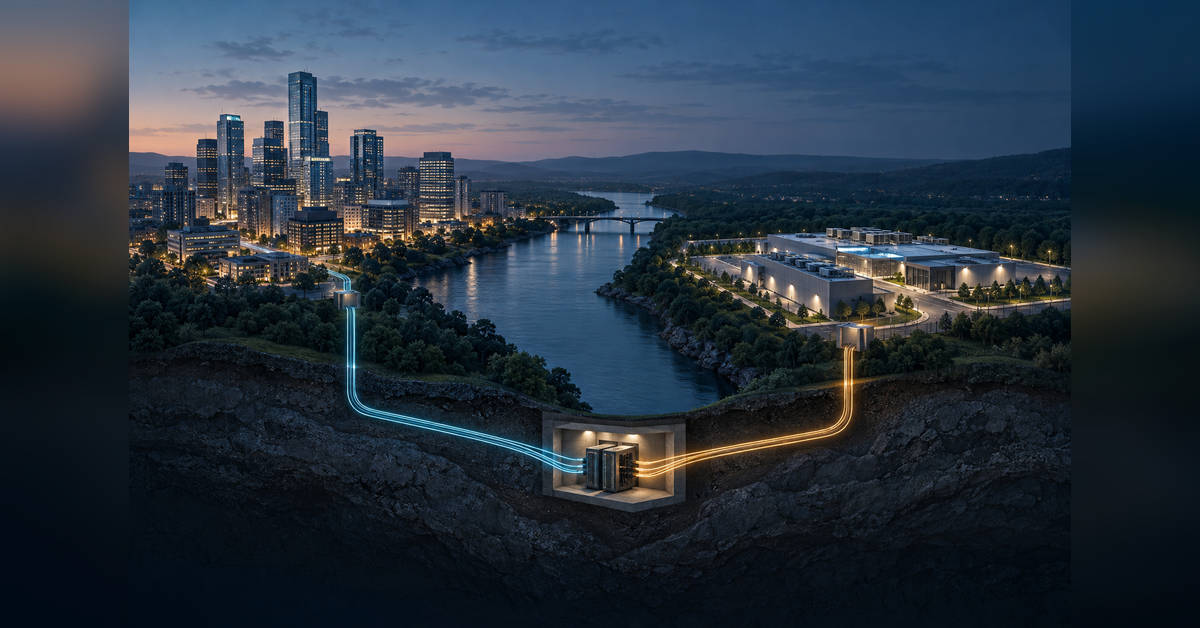
Underground facilities: inspect access and the operating plan
An underground location is a site characteristic, not a complete resilience assessment. For Lightedge SubTropolis, evaluate the equipment, people and network movements your operation will require. Request site-specific information about water management, emergency access, environmental controls and continuity procedures rather than treating underground construction as a guarantee against hazards.
Use a tour to follow a practical sequence: a shipment arrives, equipment is staged, a technician reaches the rack and a failed component leaves the facility. Repeat the exercise for an after-hours incident. Ask who is present, who can authorize work and what happens if your own staff cannot travel.
Include the network team in this review. Physical protection of the equipment and continuity of the external connection are different questions. Ask for the same route evidence and service responsibilities you would request at an above-ground facility.
Cross-connects, KCIX and diverse fiber paths
Specify the exact network or exchange service at the contracted building. If KCIX participation is a requirement, ask whether the proposed connection is local or transported, where the handoff occurs and who supplies each segment. Do not turn a metro-wide exchange reference into an assumption about a particular rack.
For every critical circuit, request:
- Service endpoints: the building, room and demarcation at each end.
- Ordering responsibility: who submits authorization and schedules the cross-connect.
- Commercial terms: installation, recurring charges and disconnect obligations.
- Physical evidence: entry locations and route drawings showing relevant shared segments.
- Incident ownership: the party responsible when a connection fails between providers.
Two carrier names do not, by themselves, answer whether the proposed paths share infrastructure. Use the data center fiber connectivity guide to structure that conversation. Then compare dark fiber versus wavelength versus Ethernet against your team’s operating responsibilities and required handoffs.
If software-defined connectivity is proposed, distinguish the service-control layer from the underlying physical path. The guide to software-defined data center interconnect is relevant to provisioning and management; physical route independence still belongs in the design review.
Power and space: buy a commitment, not a headline
Ask for usable IT power, the supported rack configuration and a delivery commitment tied to your allocation. Do not substitute a generator rating, campus design maximum or historical expansion announcement for the power available to your equipment. Space and electrical capacity should be specified together in the proposal.
The public materials summarized for KC2, South Lake and Lightedge contain conflicting network or capacity quantities. This comparison therefore uses their documented offerings rather than those quantities. For procurement, request a dated schedule identifying the building, phase, reserved allocation and conditions of delivery.
Use the data center power availability guide to prepare questions about density and delivery. If the workload involves AI, distinguish AI training versus inference data centers before specifying the rack. Keep internal compute-fabric requirements separate from WAN connectivity requirements.
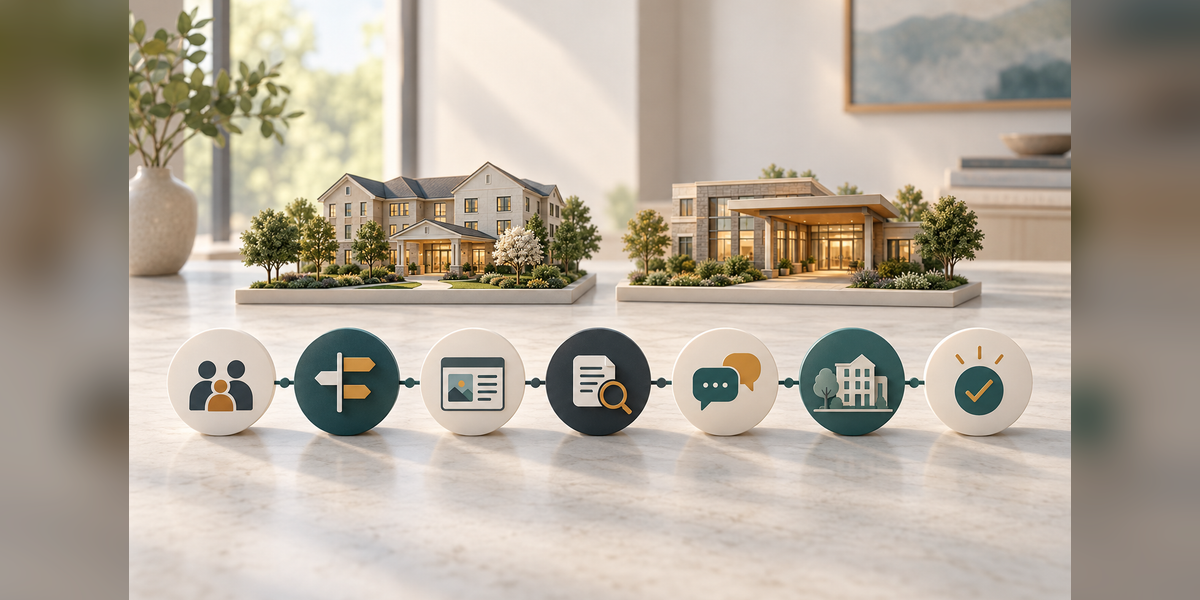
The Two-State Deployment Map
Use this editorial framework to turn the shortlist into a procurement handoff. Each step produces a specific answer that the next team can use. It is a decision aid, not a certification or a claim of past client results.
- Municipality and state: record the exact address. Procurement and legal use that identity in the request and agreement.
- Operating offering: identify cabinets, cages, suites, wholesale capacity or managed services. Infrastructure defines what is being purchased.
- Downtown ecosystem access: distinguish direct presence from transported access. Network engineering identifies endpoints and dependencies.
- Physical route independence: examine entries and shared segments. Network engineering records accepted risks and alternatives.
- Power and delivery commitment: match the allocation to equipment and timing. Facilities, finance and procurement reconcile the written offer.
Handoff: put these five answers on the first page of every proposal comparison. Leave supporting drawings, service schedules and operating procedures attached to the relevant site record.
Illustrative scenario: downtown adjacency or a Kansas-side deployment?
Consider an enterprise with existing downtown network relationships and a new equipment deployment. It compares 1102 Grand with KC2. This is an illustrative buying situation, not a description of a tested customer deployment or a quotation from either operator.
The network team first identifies the services it must reach. For 1102 Grand, it requests the proposed local handoffs and cross-connect terms. For KC2, it requests the Shawnee allocation plus the complete tethered service path to the downtown destination.
Finance compares the full configurations, including transport and operating support, rather than comparing rack charges alone. Operations checks access and incident ownership at both sites. Procurement then asks both proposals to meet the same deployment date and expansion requirement.
The decision remains open until those responses arrive. If direct downtown adjacency is mandatory, it becomes a selection condition. If transported access is acceptable, the team evaluates that dependency explicitly alongside the Kansas-side space and power offer.
Build the RFP around total cost and recovery
A useful RFP separates facility charges, network charges and operating responsibilities. Request comparable commercial schedules for the same equipment footprint, electrical configuration, contract term and target date. Evaluate disaster recovery as an application and dependency problem, not simply as a second building address.
- Facility costs: space, power charging method, installation, access and expansion provisions.
- Network costs: cross-connects, transport, exchange access and required service commitments.
- Operating costs: remote hands, managed tasks, after-hours work and equipment handling.
- Contract terms: escalation, renewal, service remedies, change orders and exit obligations.
- Recovery requirements: application recovery objectives, replication needs and accepted shared dependencies.
Ask your technical team to test the proposed application path before treating latency as settled. Define the endpoints, workload and acceptance criteria. A facility’s metro location alone does not answer whether the complete application design meets your requirement.
For a recovery site, examine shared network paths, access dependencies and operating resources. Ask who can restore service if the primary team or a common provider is unavailable. Keep the recovery plan attached to the design rather than leaving it as a generic procurement checkbox.
Next action: prepare a two-state site, route and capacity comparison. Assign one owner to reconcile the proposals and one technical owner to accept the network and power design before commercial terms are finalized.
For provider marketing teams: keep public answers site-specific
Facility marketers should make the same distinctions clear in public descriptions: exact municipality, building identity, operating offering and direct versus transported connectivity. Do not let a market page imply that every service is physically present at every building.
Prime AI Visibility is a Percepture product for monitoring public AI answers using saved answer and source evidence with repeat comparisons. That monitoring does not validate uptime, fiber routes or physical capacity. Review how Prime AI Visibility works when planning an evidence-to-page correction process. Keep mentions, source citations, site traffic and qualified commercial outcomes separate; observing an answer is not the same as improving a page or generating an opportunity.
Kansas City colocation questions
Is Shawnee in Kansas City, Missouri?
No. Shawnee is in Kansas and is a Kansas City metro option. Netrality KC2 is at 7801 Nieman Road in Shawnee; it should not be described as a Kansas City, Missouri facility.
Does KC2 have every 1102 Grand carrier on-site?
Do not assume that. KC2’s tethered access to 1102 Grand is a different delivery path from physical carrier presence at KC2. Ask for a site-specific service schedule identifying local handoffs and transported services.
Are underground data centers automatically disaster-proof?
No. Evaluate the actual site, environmental controls, access procedures, network paths and continuity plan. Underground construction does not establish immunity to hazards or replace an operating-risk review.
Can a hyperscale campus be purchased by the rack?
Not necessarily. Distinguish retail cabinets, wholesale capacity and private infrastructure. Ask whether the specific facility sells the unit and service model your business needs before including it in a colocation comparison.
Why do published capacity numbers disagree?
Pages can describe different phases, historical expansions or different capacity measures. Request a dated, building-specific schedule for usable IT power, available space and delivery timing instead of combining figures from separate descriptions.
Which of the best Kansas City data centers fits my business?
Define required network adjacency, equipment footprint, rack density, operating support and delivery timing first. Then compare site-specific proposals. The right fit is the facility whose documented offer meets those requirements with dependencies your team accepts.