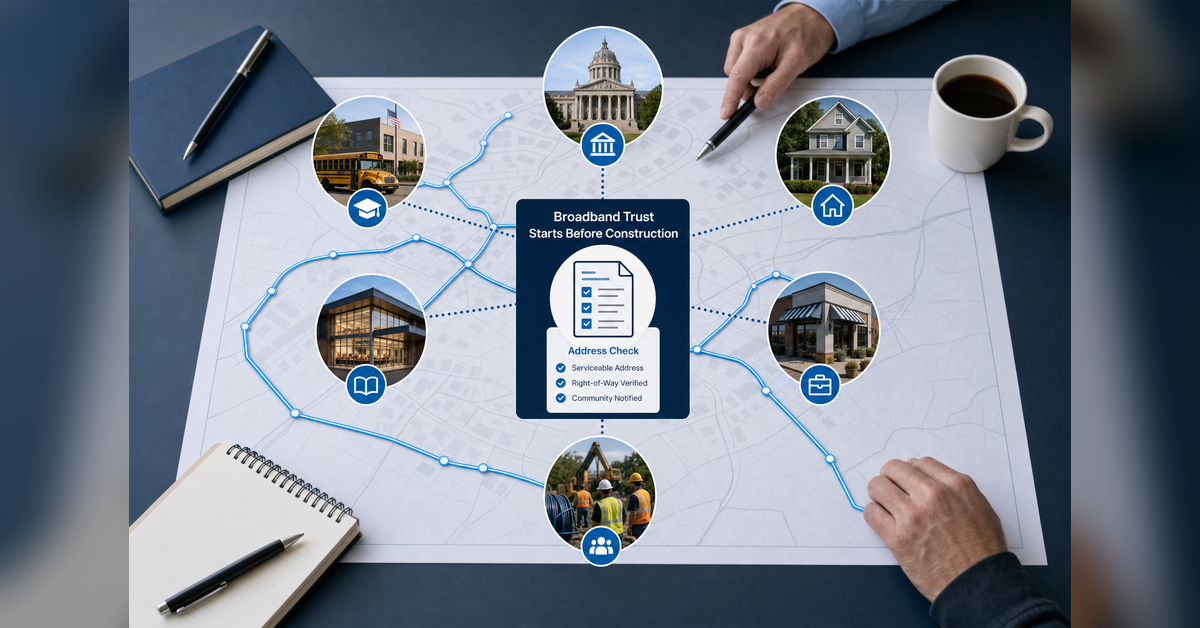

How ISPs Build Community Trust Before Broadband Construction starts with a simple truth: residents need to understand the build before they are asked to tolerate disruption, check an address, or pre-register. Construction creates visibility, but trust turns that visibility into action.
Broadband construction is a public trust moment before it is a sales opportunity. ISPs that explain the why before the when can reduce confusion, prepare public officials, and build a cleaner path from awareness to adoption.




How should an ISP earn trust before the first shovel?
How ISPs Build Community Trust Before Broadband Construction is by explaining what is being built, why it matters, who benefits, when service may be available, and how residents can stay informed. The strongest plans combine local PR, stakeholder outreach, construction FAQs, serviceability clarity, public-official communication, and simple paths for updates or pre-registration.
Executive summary for ISP leaders
The real risk
Crews in the street create attention, but attention can become anxiety if residents do not know who the provider is, what work is planned, and when service is actually available.
The operator answer
How ISPs Build Community Trust Before Broadband Construction is a coordinated system of message discipline, stakeholder briefings, local search content, PR, direct mail, address checks, and trained frontline teams.
The conversion goal
The goal is not awareness alone. The goal is to turn construction visibility into community confidence, address checks, update opt-ins, pre-registrations, installs, and referrals.
Why Community Trust Matters Before Broadband Construction
Community trust matters before broadband construction because residents are often asked to tolerate disruption before they receive service. ISPs that explain the project early, answer local concerns, and give residents clear update paths are more likely to turn construction awareness into adoption.
Construction raises questions before it creates customers. Residents may not know the difference between fiber, cable, fixed wireless, and DSL. Public officials need simple answers before residents call them. Crews, markings, permits, and road work make the project visible, but visibility without context can work against the provider.
A stronger ISP marketing strategy treats the build as a community confidence campaign, not just a launch campaign. How ISPs Build Community Trust Before Broadband Construction is different from selling speed; it starts with truth, relevance, and timing.
What Community Trust Means for an ISP
Community trust for an ISP means credibility before availability
Community trust for an ISP means residents, officials, businesses, and local institutions believe the provider is credible, transparent, reachable, technically capable, and committed to the community before construction begins. In practice, How ISPs Build Community Trust Before Broadband Construction starts with making that credibility visible before orders are available.
That trust has practical parts: construction clarity, serviceability truth, realistic timelines, local commitment, customer support readiness, and a reliable path for questions. The fastest way to break trust is to invite a resident to buy service at an address that cannot yet be served.
Marketing should not invite residents to buy service at addresses that are not yet serviceable. Active, pre-sale, future-serviceable, and not-yet-eligible addresses need different messages and conversion paths. In practical terms, How ISPs Build Community Trust Before Broadband Construction depends on matching every promise to the actual address status.
Planning a fiber build?
Build trust before the first construction notice goes out. Percepture helps ISPs prepare the message, landing pages, PR, and address-check path before crews arrive. That early discipline is the foundation of How ISPs Build Community Trust Before Broadband Construction.
Build a Community Trust PlanThe Percepture Broadband Community Trust Ladder
The Percepture Broadband Community Trust Ladder helps ISPs move a community from awareness to understanding, confidence, address action, pre-registration, and adoption before broadband construction is complete. To make How ISPs Build Community Trust Before Broadband Construction operational, every message should map to a clear trust step.
Trust ladder framework
| Step | What the ISP must prove | Example content | Conversion action |
|---|---|---|---|
| 1. Infrastructure Truth | What is being built and where | Build map, service-area explainer | Address check |
| 2. Community Relevance | Why it matters locally | School, business, healthcare examples | Join updates |
| 3. Disruption Clarity | What residents should expect | Construction FAQ | Ask a question |
| 4. Local Proof | Who supports or understands the project | Local media, officials, chambers | Attend meeting |
| 5. Action Path | What to do next | Pre-registration page | Pre-register |
| 6. Trust Compounding | Why the message is consistent | SEO, PR, direct mail, social, support scripts | Schedule install when live |
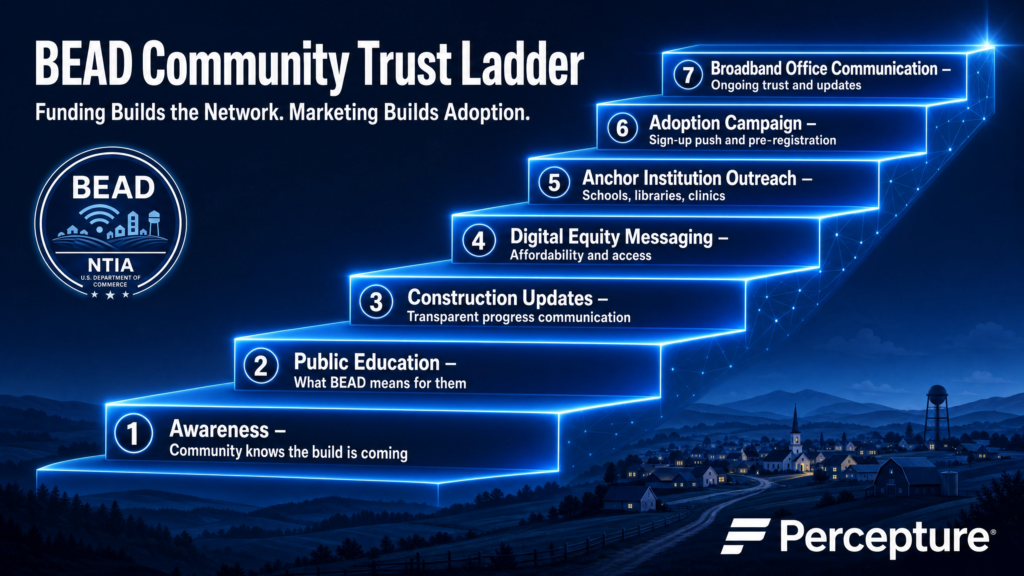
The best pre-construction broadband outreach connects local PR, serviceability data, resident FAQs, and address-level conversion paths. That is why How ISPs Build Community Trust Before Broadband Construction should be planned before crews are visible, not after complaints begin.
Turn community trust into address-level demand
Use the Broadband Community Trust Ladder to align local PR, SEO, paid media, direct mail, and pre-registration before service is live. Percepture uses it to make How ISPs Build Community Trust Before Broadband Construction measurable at the address and neighborhood level.
See the ISP Marketing FrameworkWho Needs to Be Reached Before Construction Starts
How ISPs Build Community Trust Before Broadband Construction depends on reaching the people who can shape local confidence. Residents matter, but so do small businesses, city and county officials, schools, libraries, healthcare providers, chambers, HOAs, multifamily property owners, local media, sales teams, support teams, and construction partners.
Stakeholder map
| Audience | What they care about | What the ISP should give them |
|---|---|---|
| Residents | Disruption, price, timeline | Simple FAQ, address check, update form |
| Officials | Complaints, economic value, accountability | Briefing document and escalation contact |
| Schools and libraries | Access, reliability, community benefit | Local benefit message and partner-ready facts |
| Businesses | Uptime, productivity, competitiveness | Business fiber explainer and availability path |
| HOAs and property owners | Property disruption and resident complaints | Construction notice and meeting invite |
| Local media | Clear story and accurate facts | Media kit, timeline, and spokesperson path |
Percepture approaches this as an ISP marketing agency problem and a community communication problem. The provider needs one truth, but each audience needs that truth in a usable form. How ISPs Build Community Trust Before Broadband Construction requires that shared truth before it requires more media spend.
What Residents Need to Understand Before the First Shovel
Residents need to know who the ISP is, what is being built, why broadband construction is happening, where work begins, what the timeline means, whether their address is active or future-serviceable, how to get updates, who to contact about construction, and how installation works after construction.
Do not make residents decode engineering language. Explain permits, rights-of-way, utility markings, restoration, delays, and service activation in plain language. How ISPs Build Community Trust Before Broadband Construction often comes down to whether the resident can answer: Is this real, does it include me, and what do I do next?
The Biggest Trust Mistakes ISPs Make Before Construction
Pre-construction mistakes that weaken adoption
- Announcing too late.
- Using vague timelines.
- Marketing entire ZIP codes without serviceability clarity.
- Hiding construction disruption.
- Letting public officials hear complaints before they hear the plan.
- Treating public meetings as compliance instead of relationship-building.
- Sending residents to a generic homepage.
- Selling speed before explaining reliability and local value.
- Failing to train sales and support teams.
- Letting incumbents define the narrative.
A serviceability-aware approach protects trust and budget. Local SEO for fiber internet providers can support city and neighborhood content, but the message still has to match the true address status. In How ISPs Build Community Trust Before Broadband Construction, clarity is not a cosmetic issue; it is what keeps outreach from creating avoidable frustration.
How ISPs Can Build Trust Before Construction
How ISPs Build Community Trust Before Broadband Construction is a repeatable operating plan. It should connect communications, search, paid media, public officials, sales, and support before the market starts asking questions.
12 moves that prevent construction confusion
Build a stakeholder map
Identify officials, schools, libraries, chambers, HOAs, businesses, and neighborhood voices before the public announcement. Decide who needs a briefing, written resource, or direct escalation path.
Create a construction FAQ
Answer the questions residents will ask about crews, yards, streets, restoration, delays, installation, and availability. A strong FAQ reduces avoidable calls and gives officials shared language.
Launch a serviceability-aware landing page
Explain the project and separate active, pre-sale, future-serviceable, and not-yet-eligible addresses. Percepture can connect this with organic SEO services so city and neighborhood searches find the right answer.
Brief local officials first
Officials should know what is happening, why it matters, who is responsible, and how to escalate issues before public complaints begin.
Prepare a media and PR plan
Use digital PR services, local media, and project facts to tell the community story before others define it.
Use direct mail in construction zones
Reach households that will not see social posts or local news. Tie the message to address checks, construction updates, or pre-registration.
Publish city and neighborhood updates
Short updates are better than silence. Explain progress, delays, and next steps in resident language.
Match paid media to address status
Paid media should not create demand where ordering is not possible. A fiber internet PPC strategy should match spend and message to availability stage.
Create a keep-me-updated path
Future-serviceable addresses still have value. Capture permission, set expectations, and follow up when status changes.
Train sales and support teams
Frontline teams need the same timeline, FAQ, address-status definitions, and escalation contacts. A confused support answer can undo strong outreach.
Track trust actions
Measure address checks, update submissions, FAQ views, meeting attendance, and pre-registrations before sales are live.
Prepare delay messaging
If construction or activation slips, explain what changed, what residents can expect, and where updates will appear. Silence creates suspicion.
These steps keep How ISPs Build Community Trust Before Broadband Construction grounded in operating decisions, not just campaign language.
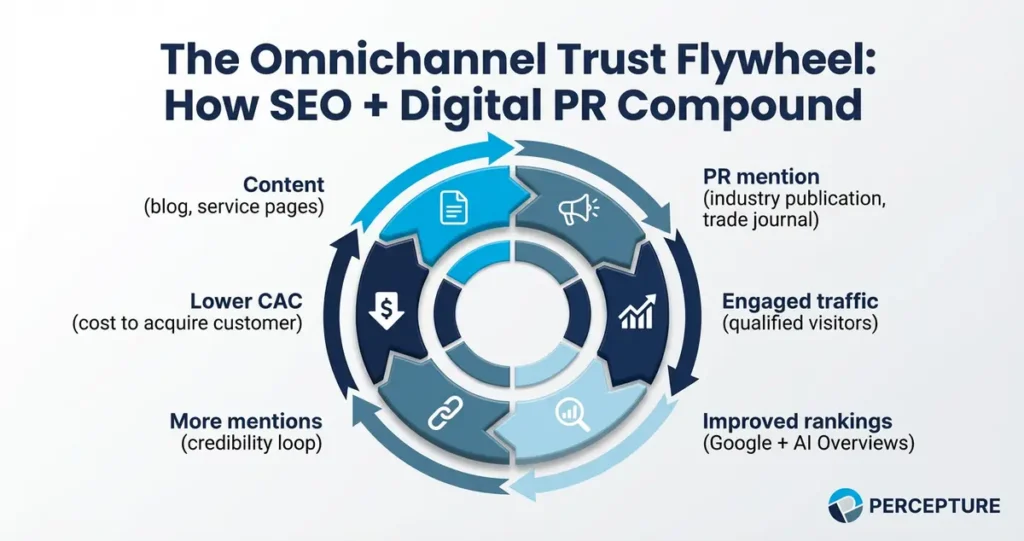
What to Say Before Fiber Construction Begins
The right message is specific, local, and honest. This is the comparison section for How ISPs Build Community Trust Before Broadband Construction: weak messages create confusion, while better messages give residents proof, context, and action.
For operators, How ISPs Build Community Trust Before Broadband Construction is visible in these message choices: the better version gives people context, accountability, and a next step.
Community Trust and Fiber Take-Rate
A fiber passing is only revenue potential. Trust helps turn that potential into address checks, pre-registrations, installs, subscribers, and referrals. For deeper adoption planning, connect this article to fiber take-rate marketing and the definition of what is fiber take rate.
How ISPs Build Community Trust Before Broadband Construction should not be measured only by impressions. If the market does not understand the project, sales will inherit the confusion.
Community Trust and BEAD-Funded Broadband Projects
BEAD-funded projects can carry public expectations. Funding can support deployment, but it does not automatically create local trust. Providers still need to explain what the funding supports, what it does not guarantee, how construction will affect residents, and how adoption will be encouraged.
For BEAD-specific demand planning, see BEAD marketing and subscriber adoption. For a tactical outreach companion, use the BEAD outreach campaign checklist. This page stays focused on How ISPs Build Community Trust Before Broadband Construction, not grant compliance.
How to Build a Pre-Construction Trust Campaign
Four-phase pre-construction trust campaign
60–90 days before construction
Build the stakeholder map, check serviceability data, draft city and neighborhood landing pages, create the construction FAQ, brief local officials, prepare the media kit, and plan direct mail.
30–60 days before construction
Launch the update page, publish local FAQs, brief partners, open the keep-me-updated form, prepare call center scripts, and begin controlled awareness by serviceability status.
Construction window
Publish weekly updates, send resident notices, respond to issues, use local media, push address checks, and show neighborhood progress without overpromising activation dates.
Pre-order and activation
Move eligible addresses into pre-registration, install scheduling, launch offers, testimonial capture, referrals, reviews, and post-install follow-up.
This roadmap keeps How ISPs Build Community Trust Before Broadband Construction tied to work the operator can actually execute before, during, and after the construction window.
What to Track
Track trust actions before you track subscriber growth. Address checks, keep-me-updated submissions, pre-registrations, public meeting attendance, construction FAQ views, city page traffic, branded search lift, local media mentions, sentiment, call center questions, email or SMS opt-ins, active sales, install completion, and referrals all show whether the market is becoming ready.
Percepture connects these signals with attribution and analytics, conversion rate optimization, and lead generation so the campaign does not stop at outreach. Those signals show whether How ISPs Build Community Trust Before Broadband Construction is creating readiness, not just reach.
How Percepture Helps ISPs Build Community Trust
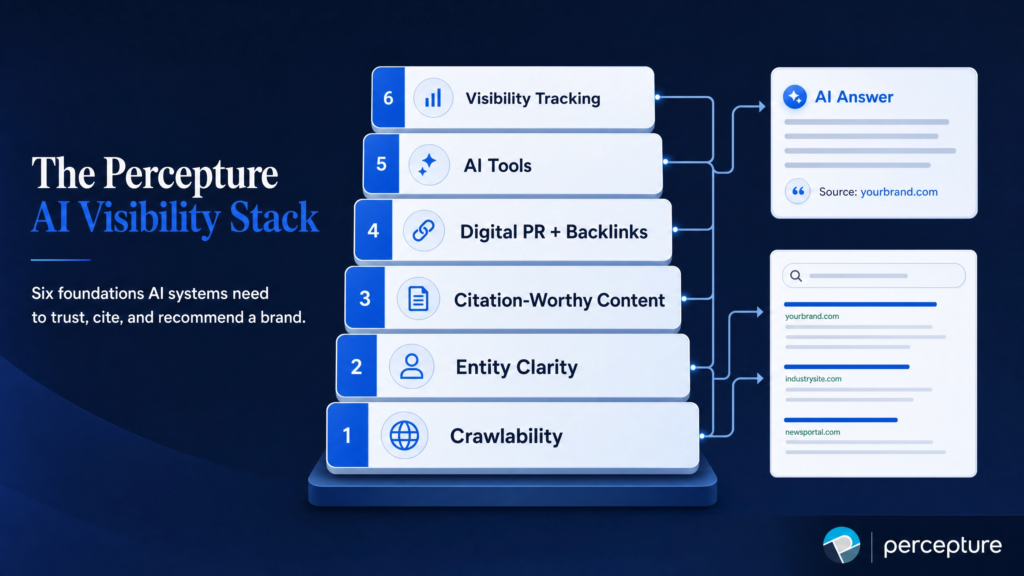
Percepture connects PR, SEO, GEO, paid media, local content, stakeholder messaging, direct mail, conversion architecture, analytics, and sales follow-up into one pre-construction trust system. Percepture has worked across digital marketing, PR, media relations, SEO, paid media, content, analytics, CRO, AI agents, and lead generation since 2004.
How ISPs Build Community Trust Before Broadband Construction is the type of work where a generic campaign falls short. The campaign has to respect construction reality, serviceability data, local stakeholders, AI-search retrieval, and sales timing.
Percepture support areas
Community message system
Stakeholder messaging, resident FAQs, construction notices, local proof, and sales/support script alignment.
Search and AI visibility
City and neighborhood SEO pages, AI-search-ready answer blocks, entity clarity, and generative engine optimization services.
Demand conversion
Serviceability-aware landing pages, paid awareness, direct mail strategy, pre-registration paths, and analytics.
For broader planning, review telecom marketing strategy, ISP lead generation services, omnichannel marketing, and strategy and planning.
Hunter Newby Infrastructure Note: Trust Comes Before Take-Rate
Infrastructure must be understood locally before it can be trusted locally
Hunter Newby’s work on the physical Internet reinforces a core idea for broadband builders: communities do not trust infrastructure just because it exists. They trust it when they understand the why, the physical network, the local benefit, and the people behind the build.
- A low take-rate can be a trust problem, not just a technology problem.
- Residents need to understand why broadband matters locally before they are asked to buy.
- Local knowledge matters: electric co-ops, county IT teams, school districts, libraries, chambers, and local officials often understand terrain and community dynamics better than outside teams.
This article uses Hunter’s infrastructure lens to support Percepture’s marketing and community-trust framework. Hunter explains why the physical network matters. Percepture explains how to turn that physical truth into trust, search visibility, demand, and adoption.

FAQ
What should an ISP do before broadband construction starts?
An ISP should map stakeholders, brief local officials, publish a construction FAQ, create a serviceability-aware landing page, prepare local PR, open an update form, train sales and support teams, and explain the timeline before crews arrive. That sequence is the operating core of How ISPs Build Community Trust Before Broadband Construction.
Why does community trust matter for broadband construction?
Community trust matters because residents often experience disruption before they receive service. If the ISP does not explain the project early, confusion can turn into complaints, resistance, low pre-registration, and weaker adoption. How ISPs Build Community Trust Before Broadband Construction addresses that risk before crews become the main public signal.
How early should an ISP start community outreach?
Start at least 60 to 90 days before visible construction when possible. Some projects need outreach even earlier if permits, public funding, road work, utility coordination, or community concerns are likely.
What should be included in a broadband construction FAQ?
A broadband construction FAQ should explain what is being built, where crews will work, when service may become available, how restoration works, how to check an address, how to get updates, and who to contact. For How ISPs Build Community Trust Before Broadband Construction, the FAQ should also separate construction timing from service activation timing.
How can ISPs avoid marketing to unserviceable addresses?
ISPs should connect marketing campaigns to address-level serviceability data. Active, pre-sale, future-serviceable, and not-yet-eligible addresses should receive different messages and conversion paths. This discipline is central to How ISPs Build Community Trust Before Broadband Construction.
What is the difference between broadband outreach and broadband marketing?
Broadband outreach builds understanding and trust with the community. Broadband marketing creates demand and conversion. The best ISP campaigns connect both so residents know what is happening and what to do next.
How does community trust affect fiber take-rate?
Trust affects take-rate because residents are more likely to check availability, pre-register, schedule installation, and refer neighbors when they understand the provider, timeline, value, and local impact. How ISPs Build Community Trust Before Broadband Construction therefore supports take-rate before the sales window fully opens.
Should BEAD-funded providers run community trust campaigns?
Yes. Public funding can increase public expectations. BEAD-funded providers should explain construction timelines, eligibility, adoption support, and local benefits before residents judge the project by delays or disruption. How ISPs Build Community Trust Before Broadband Construction is especially important when public expectations are already high.
What channels work best for pre-construction broadband outreach?
Use a mix of local PR, city and neighborhood landing pages, direct mail, stakeholder briefings, social media, paid awareness, public meetings, email or SMS updates, and local partner communication.
Can Percepture help with How ISPs Build Community Trust Before Broadband Construction?
Yes. Percepture helps ISPs build pre-construction trust plans that connect PR, SEO, GEO, paid media, local messaging, address-check conversion, and reporting.
Ready to condition the market before construction?
How ISPs Build Community Trust Before Broadband Construction is a market-conditioning plan, not a last-minute press release. Percepture can help your ISP prepare local trust messaging, construction FAQs, community outreach, search visibility, and conversion tracking before the build reaches the street.
Meet With PerceptureAbout the author: Bob Generale

Bob Generale
Bob Generale is President of Percepture, a digital PR, SEO, GEO, paid media, and lead generation firm founded in 2004. Bob works with technical B2B companies where the sales cycle is complex, the buyer has to trust the operator, and the marketing has to support real revenue movement.
Bob’s telecom and digital infrastructure experience spans ISP marketing, broadband deployment messaging, fiber take-rate strategy, data center and interconnection positioning, wireless and 5G staffing, telecom recruiting, AI-search visibility, and sales-ready demand generation. His work connects search visibility, public credibility, buyer education, and follow-up systems so technical companies can turn market attention into qualified conversations.
For broadband providers, Bob’s point of view is simple: a passing is not revenue, construction is not trust, and visibility is only valuable when it creates address-level action. That is why this article focuses on serviceability-aware communication before construction starts.