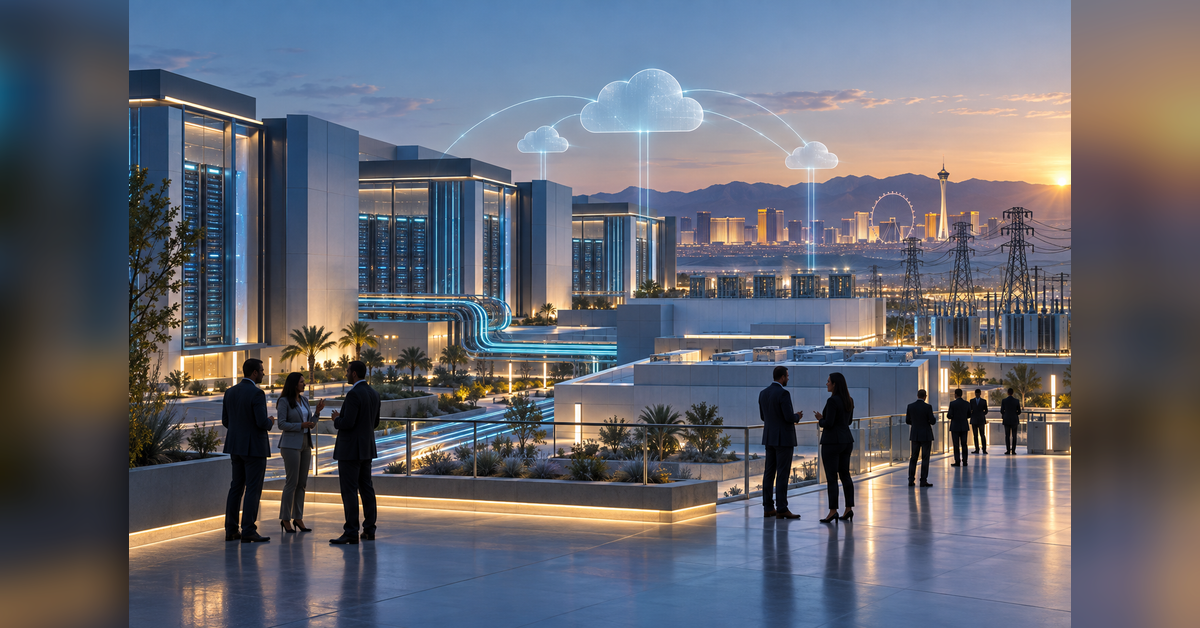

infra/STRUCTURE 2026 is scheduled for October 6–8 in Las Vegas. The event is positioned for executives working across AI infrastructure, data centers, hyperscale platforms, neoclouds, connectivity, finance, and the wider digital infrastructure market.
The best reason to attend is not to collect a stack of business cards. It is to test market assumptions, meet a defined set of buyers or partners, and leave with evidence that can improve an investment, operating, or go-to-market decision.
When and where is the event?
The official event site lists infra/STRUCTURE 2026 for October 6–8, 2026, in Las Vegas. Confirm the specific hotel or venue on the organizer’s registration page before booking travel, because the supplied official listing establishes the city and dates but does not name the venue.
What is currently confirmed?
For infra/STRUCTURE 2026, the supplied organizer listings confirm the dates, Las Vegas location, and focus on executives from the digital infrastructure ecosystem. The official event site also frames the program around AI infrastructure, hyperscale, and neocloud markets.
The organizer describes the summit as an executive event, while Structure Research calls it an exclusive data center summit. Those descriptions point to a decision-maker audience rather than a broad consumer technology show.
The available source material does not establish a complete venue address, agenda, speaker roster, or exhibitor list. Use the official event website as the source of truth for those changing details instead of relying on copied event calendars.
Build the trip around decisions
Choose one business outcome
Decide whether the trip is for buying, selling, investing, partnering, recruiting, or market research.
Book priority conversations
Build your infra/STRUCTURE 2026 schedule around named accounts and specific questions, not open networking time.
Capture comparable signals
Ask similar questions across meetings so your team can compare answers after the event.
Who should attend?
infra/STRUCTURE 2026 is most relevant when a leader needs direct access to people shaping digital infrastructure capacity, capital, services, or demand. That can include data center operators, infrastructure buyers, investors, developers, network providers, technology vendors, and advisors.
Match attendance to your role
Buyers and operators
Attend to compare capacity options, operating assumptions, deployment constraints, connectivity requirements, and potential partners.
Investors and developers
Use meetings to examine demand quality, delivery risk, power access, network reach, customer concentration, and the assumptions behind growth plans.
Technology and service providers
At infra/STRUCTURE 2026, vendors should focus on the business problem they solve, the buyer responsible for it, and the conditions that create urgency.
Marketing and communications leaders
Attend when the company has executives, customers, partners, or prospects in the room and a clear plan for turning meetings into useful follow-up.
Attendance is a weaker fit when the team has no target-account list, no subject-matter expert available, and no follow-up owner. In that case, a broader review of the best data center conferences can help determine whether another event better matches the company's market and timing.
What themes should attendees watch?
The confirmed positioning makes AI infrastructure, hyperscale development, neocloud growth, and the wider data center ecosystem central themes for infra/STRUCTURE 2026. A useful event plan should connect those broad topics to physical constraints and buyer decisions.
Power and delivery
Ask how proposed capacity moves from an announcement to an operating asset. Useful questions cover the path to power, construction dependencies, delivery timing, and which party carries each risk. The goal is not to collect forecasts; it is to understand what must happen before capacity can serve customers.
Fiber, interconnection, and network density
Compute capacity alone does not explain how workloads reach users, clouds, models, or enterprise systems. Ask where networks interconnect, how routes are diversified, and whether new demand is creating denser connectivity around specific facilities or markets.
Inference infrastructure
Inference demand can raise different questions than model training. Buyers may care about response time, workload location, network paths, resilience, and the cost of serving repeated requests. Ask vendors to explain which workload they support and why their proposed architecture fits it.
Capital and customer demand
Large plans are easier to announce than to finance, deliver, and fill. Investors and operators can compare how companies describe committed customers, development milestones, operating responsibility, and expansion risk without treating promotional language as proof.
Which physical-infrastructure signals matter?
Use infra/STRUCTURE 2026 to look for connections between power, fiber, interconnection, latency, and network density. A market shift is more credible when several parts of the delivery chain change together rather than when one company announces an isolated project.
Look for repeated evidence across separate conversations. Are operators, network providers, buyers, and investors describing the same constraint? Are they identifying the same markets? Can they explain what changed in customer requirements or deployment design? Consistency does not make a claim true, but it tells you what deserves deeper diligence after the summit.
A simple meeting note should record the claim, the speaker's role, the underlying evidence offered, the affected market, and the next source to check. That structure separates an interesting comment from a decision-ready signal.
How should you plan the agenda?
Treat infra/STRUCTURE 2026 as a set of working sessions rather than a three-day block of general networking. Start with the decisions your team expects to make during the next two quarters, then work backward to the people and information needed.
Before the organizer publishes or updates the agenda, create four lists: current customers, active prospects, strategic partners, and market experts. Rank each name by the value of a conversation and the likelihood of securing one. Leave room for introductions, but do not let unplanned meetings replace the priority list.
For each scheduled meeting, prepare one objective and three questions. An operator may ask about delivery constraints. An investor may test customer demand and execution risk. A buyer may compare service boundaries and deployment requirements. A marketer may ask which problems customers use when describing the category.
After each conversation, assign a follow-up owner and date. Notes without ownership become event debris.
Is the event worth attending?
| Attendee | Strong reason to attend | Reason to reconsider |
|---|---|---|
| Buyer or operator | Several relevant suppliers or partners can be evaluated in one trip. | No active capacity, connectivity, vendor, or market decision exists. |
| Investor | Meetings can test assumptions about demand, delivery, and infrastructure constraints. | The trip has no defined diligence questions or target companies. |
| Vendor | The team has named accounts, useful experts, and a disciplined follow-up process. | The plan depends on booth traffic or unscheduled introductions alone. |
| Marketer | infra/STRUCTURE 2026 supports executive meetings, customer insight, content, or account engagement. | No sales, executive, or subject-matter owner will act on the work. |
For most organizations, the answer depends less on registration cost than on access and preparation. infra/STRUCTURE 2026 can be worthwhile when the right people are expected, the company has a narrow meeting plan, and follow-up connects event activity to live business priorities.
How should marketers prepare?
For marketers, infra/STRUCTURE 2026 should begin before the first meeting and continue after the final session. Build one coordinated plan for executive outreach, account engagement, useful content, media conversations, and sales follow-up.
Do not publish generic predictions simply because the event is approaching. Interview internal experts about the questions buyers are asking, identify claims the company can support, and prepare short explanations that sales and leadership can use consistently. Percepture's data center marketing guide provides a wider framework for connecting technical expertise to market demand.
During the summit, capture questions and language rather than chasing volume. The terms buyers repeat can improve future messaging, sales material, search content, and executive commentary. Afterward, route each insight to an owner and connect public content with email, sales outreach, and other omnichannel marketing activity.
A practical pre-event checklist
A useful infra/STRUCTURE 2026 plan should be short enough for executives and sales teams to use. Complete these items before travel:
- Define the business decision or pipeline goal behind attendance.
- Confirm dates, venue details, registration rules, agenda, speakers, and exhibitors on the organizer’s site.
- Rank target accounts, partners, investors, and experts.
- Assign an objective and owner to every priority meeting.
- Prepare role-specific questions about power, delivery, connectivity, demand, and risk.
- Set one shared format for meeting notes.
- Reserve daily time to review findings and adjust the next day’s schedule.
- Assign follow-up owners before the event ends.
Check the quality of your event pipeline
Before committing more budget to event outreach, review whether your target list and follow-up process are likely to produce qualified conversations.

About Bob Generale
Bob Generale is President of Percepture, where he contributes executive strategy across marketing, search, public relations, and digital growth programs.