

Before you put Datacloud USA + Metro Connect Fall 2027 on the travel budget, decide what the trip must change: a supplier shortlist, an investment decision, a network plan or a sales conversation.
Start with the 2027 event details, then work backward from that goal. This guide gives buyers, operators, investors and marketers a way to assess the trip, choose meetings and plan the work that follows.
Is this the right trip for your team?
Consider attending if you can connect the current agenda and confirmed meetings to a specific business decision. Before committing, check the organizer’s 2027 dates, venue, ticket terms and participation lists. If the trip has no clear objective or meeting owner, narrow the plan before you spend.
How do you check the 2027 dates and location?
Use the organizer's current registration information to establish the event dates, city and venue. Match the event name and year across the registration page, agenda and booking confirmation before buying travel.
Keep earlier editions separate. Do not carry a previous year's dates, hotel or schedule into the 2027 plan. Likewise, do not treat a page for a different Metro Connect event as evidence for the fall event named in your brief.
For travel planning, record the first session you need to attend and the last meeting you intend to take. Check whether your pass includes any additional sessions or receptions before building those into the itinerary.
Read cancellation, transfer and hotel-booking terms before payment. Save the terms attached to your purchase rather than relying on a colleague's recollection of an earlier trip.
Who should consider attending?
Choose delegates by the work they need to do, not by seniority alone. The useful question is whether the people you need to meet will participate—and whether they have agreed to a conversation.
Match the delegate to the decision
| Role | A focused reason to attend | What to establish first |
|---|---|---|
| Buyer | Compare suppliers against a defined site, capacity or connectivity need. | Relevant suppliers will participate and can discuss your requirements. |
| Operator | Discuss a delivery constraint or a potential infrastructure partnership. | The proposed meetings involve people responsible for that work. |
| Investor | Test assumptions about a specific market, project or transaction. | The meeting plan includes suitable counterparties and diligence questions. |
| Marketer | Support named accounts, gather buyer questions or coordinate an announcement. | Sales and marketing agree on the audience, message and follow-up owner. |
If your main goal is to compare events rather than plan this particular trip, start with Percepture's guide to data center industry conferences. Keep that broader selection task separate from this event-specific attendance decision.
How should you assess the agenda, speakers and exhibitors?
Read the current agenda against your business question. A session is worth considering when its description addresses a decision you own—not simply because its title contains AI, cloud or growth.
For speakers, check the published name, role and session description. Do not assume that a speaker is available for private meetings. Send a specific request through an appropriate public or organizer-provided channel.
For exhibitors, distinguish a listed sponsor from a company with an exhibition presence or a confirmed meeting. Use the participation information to make a shortlist, then contact each relevant company about your requirements.
Ask about attendee access before treating a directory as part of your plan. Use any organizer-provided contact tools within their terms, and do not assume that a company name guarantees a particular executive will attend.
What infrastructure questions should shape your meetings?
Build a short research brief around power, fiber, interconnection and delivery. Then use the agenda to choose sessions that address your project. These are suggested diligence questions, not a prediction of the conference program.
Power: what can be delivered, and when?
Ask the counterparty to distinguish planned capacity from capacity available for your proposed deployment. Request the relevant delivery milestones, dependencies and documents you may review. Bring your own load and timing requirements so the conversation has a clear basis.
Fiber and interconnection: what does the proposed service include?
Ask which routes, buildings and connection options apply to your requirement. Where resilience matters, request an explanation of the proposed paths and shared dependencies. Keep the discussion tied to the service being offered, rather than broad claims about network reach.
Latency: what would a useful test look like?
Define the endpoints and workload before discussing performance. Ask how a proposed service would be tested, under what conditions and against which acceptance criteria. Leave with a test plan or a named technical contact, not an unsupported performance promise.
Delivery: who owns the next milestone?
For each proposal, ask what remains to be completed, who is responsible and what evidence would demonstrate progress. Record a date for the next review. This gives your team something concrete to assess after the event.
Is attending worth the cost?
Judge Datacloud USA + Metro Connect Fall 2027 against the work your team could do without the trip. Identify which conversations genuinely benefit from meeting in person and which could be handled through a scheduled call.
Build the budget from the pass, travel, accommodation, staff time and any separate meeting or exhibition costs. For sponsorship, request the actual deliverables and access terms. Do not treat exposure, introductions and booked meetings as interchangeable benefits.
Write a success test before approving the spend. A buyer might aim to complete a supplier comparison; an operator might seek a technical review; an investor might resolve a diligence question. A marketer might support a defined set of account conversations. Treat each as a goal, not a promised result.
If those goals depend entirely on meetings that have not been arranged, keep the commitment proportionate. A smaller delegation or a different event may be the better choice.
How should marketing support the trip?
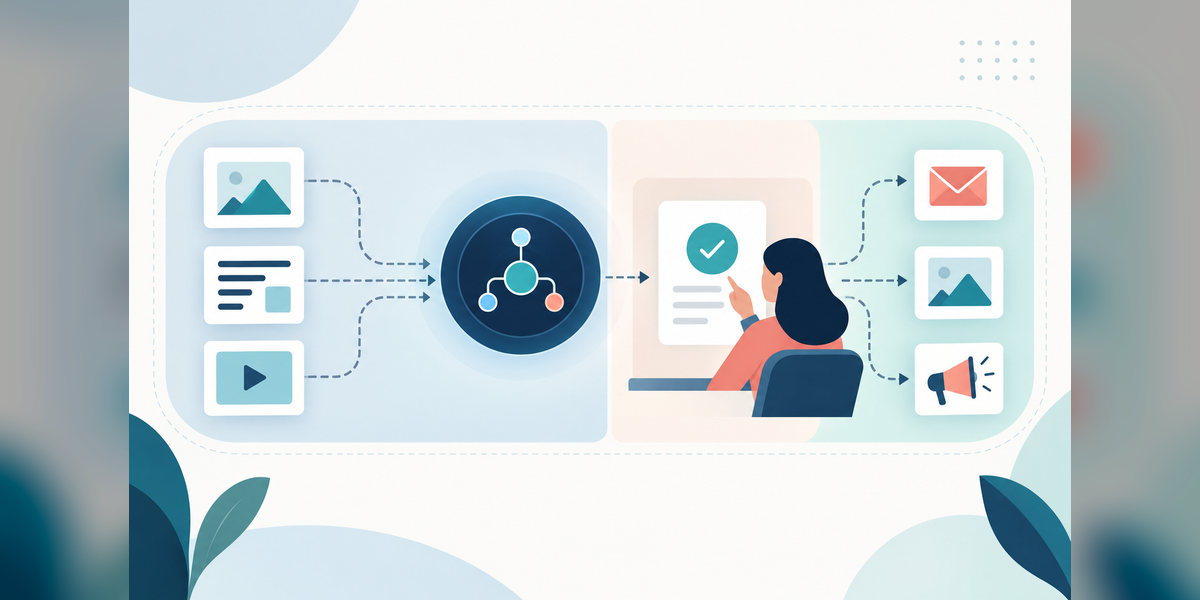
Begin with the account list and the reason each account should meet you. Prepare a short invitation that names the topic, the relevant team member and the proposed next step. Avoid a broad announcement that leaves the recipient to invent the value of the meeting.
Give sales a useful handoff: the account context, the question to discuss and the material to send afterward. Percepture's data center marketing strategy guide is a related resource for connecting event activity with broader marketing work.
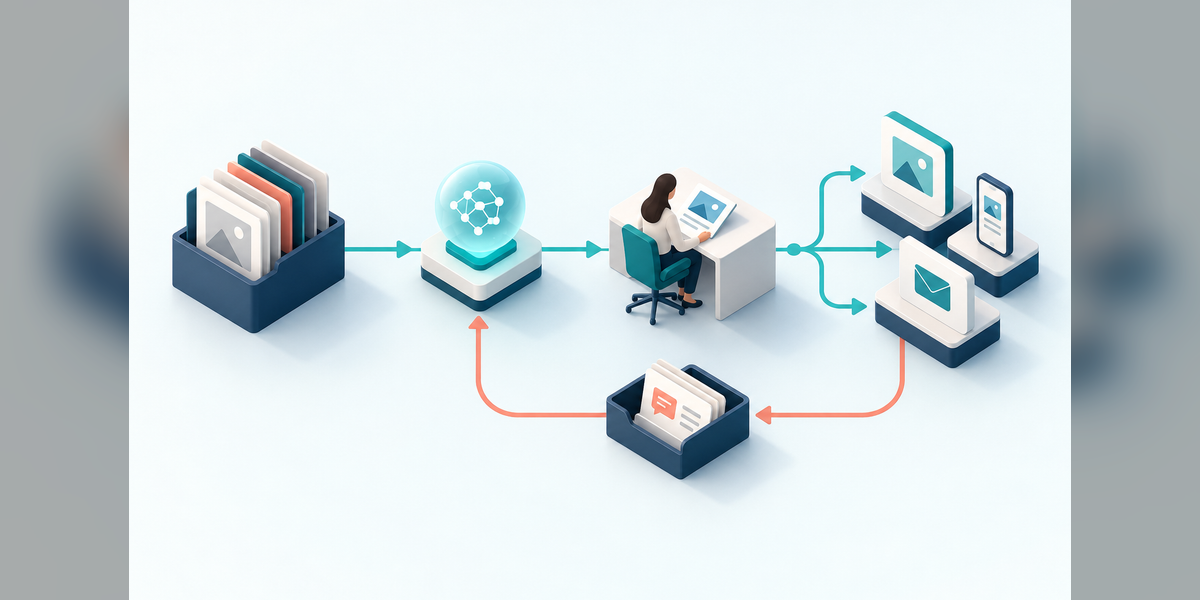
After each meeting, record the agreed action, owner and timing. Separate a friendly conversation from a request for technical information, a proposal or another meeting. Follow up on what the person actually asked for, with permission for further contact.
The final attendance decision should fit on one page: current event details, business objective, delegates, planned meetings, total budget and follow-up owners. If the plan is clear, the team can make a grounded decision without mistaking a busy calendar for useful progress.

About Bob Generale
Bob Generale is President of Percepture.