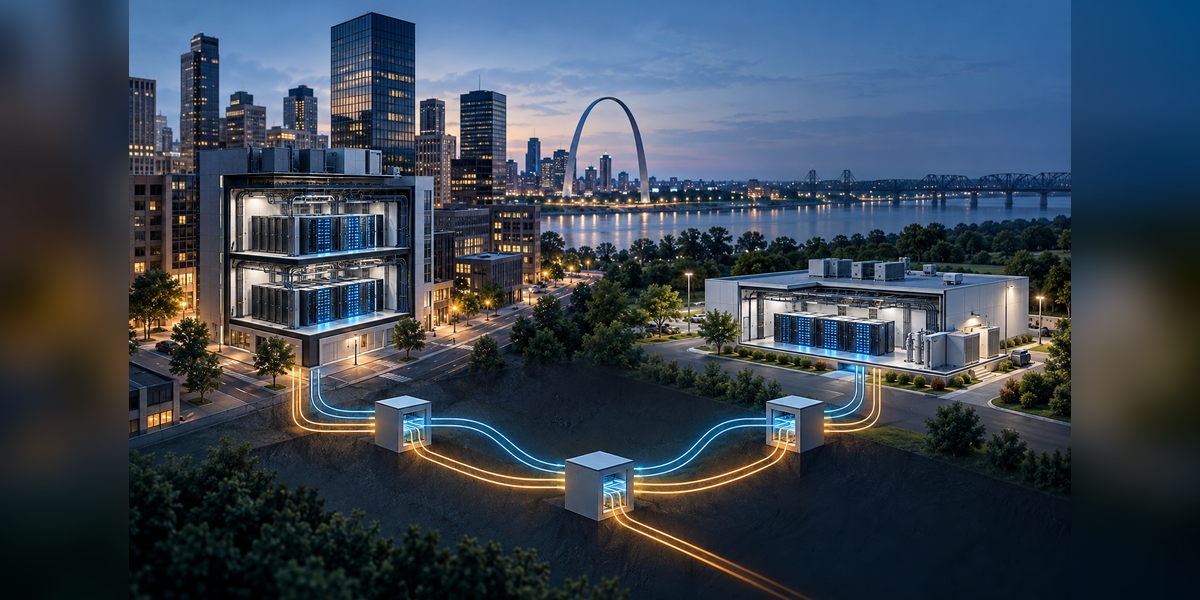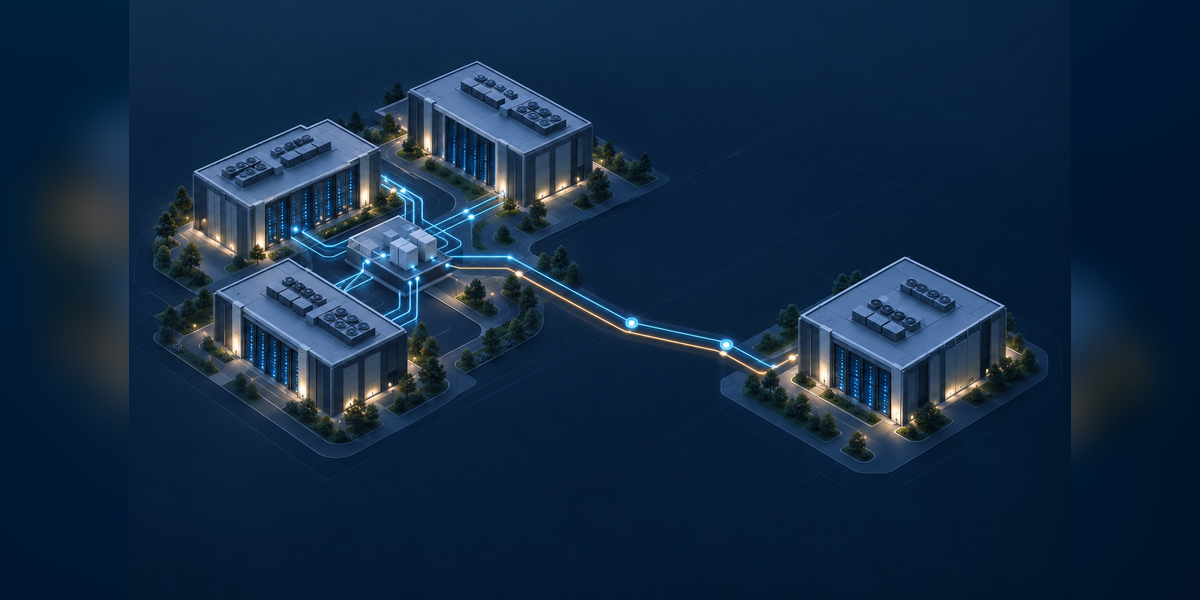

The best Boston data centers are the ones that can deliver your required space, power and network connections at an acceptable address and on an agreed schedule. Start with Markley and CoreSite BO1 as operator inquiries, then evaluate the specific facility and service offered.
Boston city and Greater Boston are not interchangeable buying criteria. CoreSite BO1 is in Somerville, and its direct-sales policy excludes partial cabinets. Those distinctions belong on your shortlist before you compare pricing or schedule a tour.
What is Boston-area colocation?
Boston-area colocation means placing your equipment in a third-party data center serving Boston or its surrounding market. The purchase combines a defined equipment footprint with contracted power, environmental support and connectivity arrangements. Evaluate the facility address and the actual orderable service—not just the operator’s Boston-market label.
How to compare the best Boston data centers
Use geography and minimum service size as the first filters. Then compare the network connections, physical capacity and support terms required by your workload. A facility that fails a nonnegotiable requirement should not remain on the shortlist because its brand is familiar or its building appears on a market map.
Write a short requirement statement before contacting sales: permitted locations, equipment footprint, expected electrical load, required destinations, target installation date and operating responsibilities. Separate requirements from preferences so procurement can recognize a genuinely unsuitable proposal.
For example, “inside Boston city limits” is a geographic requirement. “Within an acceptable travel time for our technicians” is an operational requirement. They may produce different shortlists, so do not substitute one for the other.
Use Percepture’s data center site selection checklist to organize the broader evaluation. For this Boston comparison, make the facility address and minimum purchasable footprint the first two fields.
Markley and CoreSite: two inquiries, different checks
Start with a targeted inquiry to each operator rather than a numerical ranking. Ask Markley to identify the proposed facility and commercial package. For CoreSite BO1, establish whether Somerville is acceptable and whether your requirement is compatible with its policy against selling partial cabinets directly.
The comparison below uses geography, service-unit compatibility, network requirements and physical delivery as its criteria. CoreSite’s location and partial-cabinet policy are the dated reference points from November 3, 2026; current proposals should establish orderable inventory and delivery commitments. The table is not an uptime, certification or performance score.
Operator inquiry comparison
| Operator or facility | Address and geography | Service-model check | Network evidence to request | Physical capacity and contract check |
|---|---|---|---|---|
| Markley | Have the proposal name the exact street address and municipality. | Request the minimum orderable footprint and the proposed cabinet, cage or suite arrangement. | Ask for the required carrier, cloud or interconnection path at the proposed site. | Request allocated space, usable IT power, cooling compatibility, installation date and support terms. |
| CoreSite BO1 | 70 Innerbelt Road, Somerville, Massachusetts; a Boston-market location outside Boston city limits. | CoreSite does not sell partial cabinets directly at BO1. Establish the available order size before proceeding. | Request the specific connection, ordering party, handoff and recurring charges. | Request a dated commitment for the proposed footprint, electrical allocation, cooling requirements and delivery schedule. |
When to keep Markley on the inquiry list
Keep Markley in the process when you want an operator proposal to evaluate against your Boston-area requirements. Ask sales to identify the site before discussing broader portfolio capabilities. Then map the quoted service to your footprint, network destinations, access needs and installation schedule.
Do not fill gaps in a proposal with assumptions about another building or another customer’s deployment. Ask which services are included, which require separate orders and which party owns each delivery dependency.
When to keep CoreSite BO1 on the inquiry list
Keep BO1 in consideration when Somerville fits your location requirements and you do not need a partial cabinet purchased directly from CoreSite. Resolve those two questions before spending time on a detailed technical evaluation.
If you need less than a cabinet, ask whether a separately contracted service provider can meet the requirement. Evaluate that provider’s agreement independently; do not assume its pricing, support or service obligations are the same as a direct operator contract.
Apply Boston Facility Fit in five decisions
Boston Facility Fit is an editorial decision sequence for this guide: geography → service unit → network ecosystem → physical capacity → support and contract. It is not a certification or a claim of a past client program. Its purpose is to stop a poor-fit option before it consumes engineering and procurement time.
Boston Facility Fit
- Geography: Define acceptable municipalities, technician access and any location restrictions.
- Service unit: Identify whether you need rack units, a cabinet, a cage or a suite, then establish the minimum order.
- Network ecosystem: Specify the endpoints and services your applications must reach.
- Physical capacity: Match the equipment footprint, usable electrical allocation and cooling requirements to an installation date.
- Support and contract: Assign delivery, access, incident response, charges, renewal and exit responsibilities.
Treat the first two decisions as screening questions. Treat the remaining three as proposal and acceptance questions. This keeps a polished presentation from substituting for an orderable service.
If Boston is a preference rather than a requirement, use the same acceptance criteria in a broader data center market comparison. Do not quietly widen the geography halfway through procurement without updating the requirement.
Cabinets, cages and suites: buy the right unit
Choose the footprint around the equipment and operating model, not a vague request for “colocation.” A partial-cabinet requirement, a dedicated cabinet and a private enclosure are different purchases. Record the minimum order, expansion arrangement and access boundaries in the proposal so competing quotes describe comparable services.
Use these working distinctions when discussing requirements:
- Rack units or partial cabinet: Specify equipment dimensions, power, access arrangements and the party responsible for the enclosure.
- Dedicated cabinet: Establish cabinet dimensions, usable mounting space, electrical allocation and who supplies the cabinet.
- Cage: Define the enclosed area, cabinet layout, access controls and expansion boundaries.
- Suite: Establish the demised space, infrastructure responsibilities and commercial commitments in the agreement.
Retail and wholesale labels are not detailed enough for a purchase decision. Ask what you are actually ordering and what the contract includes. A smaller footprint is not automatically a simpler purchase if connectivity, remote support or equipment handling sits outside the quoted package.
For BO1, the partial-cabinet restriction makes this an early qualification issue. Resolve it before requesting an elaborate design that cannot be purchased through the intended contracting route.
Connectivity: identify the path, not just the logo
Define the connections your workload needs, including their endpoints, bandwidth, handoffs and delivery owners. Ask the operator to explain how each connection reaches your equipment. A carrier name in a presentation is not a complete circuit design, and a proposed connection still needs an order, a delivery date and acceptance criteria.
For every required path, ask:
- Is the service delivered at this exact facility and proposed location within it?
- Which organization provides and bills the connection?
- What cross-connect, port, circuit or equipment orders are required?
- What are the installation dependencies and lead-time commitments?
- How will the intended routing and performance requirements be checked before migration?
Separate internet access, private WAN connectivity, cloud access and facility-to-facility links. They serve different requirements and should not be collapsed into a single “connected” checkbox.
Percepture’s guide to data center interconnect options can help frame the service discussion. For a route-dependent requirement, the data center fiber connectivity guide provides a complementary evaluation path.
For GPU workloads, also separate communication within the compute cluster from traffic traveling over the WAN. Ask the engineering team to specify each requirement independently. A metro location alone does not establish that either design will meet the application’s needs.
Power and cooling: ask what your deployment can receive
Request the electrical and cooling allocation for your proposed equipment, at the proposed location, on the required date. Keep building-scale capacity, utility supply and usable IT load in separate fields. Do not use a large facility number as a substitute for a commitment to support your deployment.
A useful capacity request includes the equipment list, expected load, rack distribution, electrical characteristics, cooling requirements and growth assumptions. Ask the operator to return a site-specific response rather than a general density statement.
Record these distinctions explicitly:
- Advertised capacity: The scope and meaning of the published figure.
- Deliverable allocation: The power and space offered to your deployment.
- Delivery conditions: Construction, equipment, utility or other dependencies attached to the offer.
- Expansion: The mechanism for obtaining additional capacity and whether it is contractually reserved.
Keep operating inventory separate from planned development. For a proposed expansion, require milestones and responsibilities tied to the installation schedule. Do not treat a future announcement as capacity available for immediate installation.
Use the data center power availability guide to structure that discussion. For compute-heavy projects, define the workload first with the distinctions in AI training versus inference data centers, rather than assuming one generic AI requirement.
An illustrative shortlist decision
Consider a fictional business that needs less than one cabinet, requires occasional technician visits and can accept either Boston or Somerville. Its application also needs a defined private connection to an existing environment. This is an illustrative buying scenario, not a client example or a performance result.
Input: A sub-cabinet footprint, acceptable travel access, a specified network destination and an agreed installation deadline.
Decision: A direct BO1 partial-cabinet purchase does not fit the stated service requirement. The buyer should either evaluate a different contracting route or remove that direct offer from the shortlist. A Markley inquiry should establish whether a suitable service is offered at an acceptable site.
Next step: Send the same equipment and connection requirements to each remaining seller. Ask each to name the facility, contracting entity, service footprint, electrical allocation and delivery responsibilities.
The lesson is not that one operator is universally better. It is that a minimum order can determine suitability before a tour, price negotiation or technical workshop begins.
Turn the tour into a proposal worksheet
Use the tour to resolve a written requirement, not to replace one. Before attending, send the same questions to every seller and identify the person responsible for each answer. Afterward, reconcile the discussion with the proposal and agreement; a verbal assurance should not silently become an acceptance criterion.
What to request before selecting a facility
| Decision | Requested deliverable | Buyer owner |
|---|---|---|
| Location and access | Exact address, access procedure, receiving arrangements and permitted working hours. | Infrastructure operations |
| Service footprint | Orderable unit, layout, enclosure responsibilities and expansion terms. | Infrastructure lead |
| Power and cooling | Deployment-specific allocation, equipment compatibility and delivery conditions. | Engineering |
| Connectivity | Connection design, ordering parties, charges, dependencies and acceptance criteria. | Network engineering |
| Support | Support scope, escalation contacts, response commitments and billable activities. | Operations |
| Commercial terms | Complete charges, term, escalation, renewal, termination and exit obligations. | Finance and procurement |
| Installation | Named delivery owners, milestones, migration responsibilities and sign-off procedure. | Project owner |
Ask for the scope and period of any assurance document relevant to your requirements. Keep contractual service commitments separate from certifications and audit reports. Evaluate each for the specific question it answers rather than treating them as interchangeable evidence.
Before signing, resolve disagreements between the sales proposal, technical schedule and service agreement. Assign a buyer-side owner to the final acceptance decision and document which conditions must be satisfied before production migration.
Compare total commitments, not headline prices
Compare proposals over the same term and for the same service scope. Request recurring charges, one-time installation costs, power treatment, connectivity, support and exit obligations as separate line items. Do not introduce an estimated market price where the decision depends on a site-specific offer.
A quote worksheet should distinguish included services from optional or usage-based charges. Ask how expansion changes the commitment, what happens at renewal, which charges can escalate and whether a delivery delay changes billing or termination rights.
Make support concrete. Who receives equipment? Who can replace a failed component? Which tasks require your technician, a managed service provider or a separately billed remote-hands request? Put the agreed division of work beside the relevant charges.
Define success before migration: the contracted footprint and power are delivered, required connections pass agreed checks, authorized staff can obtain access, and operations accepts the support process. Discovery, tours and signed proposals are milestones—not substitutes for operational acceptance.
For operators: keep public facility facts consistent
If you market a Boston-area facility, publish its municipality, service model and contact route clearly. Keep facility facts aligned across your website and directory listings so prospective buyers can identify the correct site and seller.
Prime AI Visibility is a Percepture product. Operators evaluating it can review how Prime AI Visibility works separately from technical procurement. Public-answer monitoring and content optimization are different workstreams; neither validates facility capacity or uptime. Likewise, a brand mention is not a citation, a visit or a qualified opportunity.
Boston colocation buying questions
Are there data centers in Boston, or only in the surrounding area?
Distinguish Boston city from the broader market when building your shortlist. CoreSite BO1 is at 70 Innerbelt Road in Somerville. For every operator inquiry, require the proposed facility’s street address and municipality rather than relying on the Boston-market label.
What is the largest data center in Massachusetts?
Define “largest” before comparing facilities: building area, critical IT power, campus capacity and currently deliverable capacity are different measures. For procurement, prioritize a dated commitment for your deployment over a statewide size ranking.
Should I request a cabinet, cage or suite?
Start with equipment dimensions, electrical requirements, access boundaries and growth plans. Ask each seller to identify its minimum orderable unit and the responsibilities included. Compare the actual footprint and agreement rather than retail or wholesale labels alone.
Can I buy a partial cabinet directly from CoreSite BO1?
CoreSite’s BO1 policy excludes direct partial-cabinet sales. If you need less than a cabinet, establish a suitable contracting route before requesting a detailed design. Evaluate any separate provider’s pricing, support and obligations under its own agreement.
Does advertised power mean capacity is available for my installation?
Request a written allocation for your equipment and installation date. Keep advertised facility capacity, deliverable IT power and planned expansion separate. Ask which dependencies remain and how the agreement handles delivery changes.
What affects Boston colocation cost?
Request separate pricing for footprint, electrical allocation, connectivity, installation and support. Compare contract length, escalation, expansion, renewal and exit obligations on the same basis. Use current proposals rather than an assumed market range.
What evidence should I request before choosing a provider?
Request the exact facility address, orderable service unit, deployment-specific power and cooling response, connection design, delivery schedule and complete commercial terms. For assurance documents, identify the site, scope and period they cover.
Who should own implementation and acceptance?
Assign a buyer-side project owner and name the operator, network provider and migration responsibilities. Define acceptance around delivered space and power, working connections, authorized access and an agreed support process before moving production equipment.
Your next move: request comparable proposals
Compare actual facility addresses and purchasable service models. Send the same requirement statement and worksheet to each shortlisted seller, remove offers that fail a nonnegotiable requirement, and take the remaining proposals into technical and commercial review. Reserve the final decision for a service the seller can contractually deliver.

About Bob Generale
Bob Generale is President of Percepture, a global digital marketing, public relations and AI systems agency established in 2004. His work connects search strategy, digital PR, useful content and conversion planning around the questions buyers need answered. Bob’s approach starts with understanding the audience, learning how the business actually works and turning that expertise into clear explanations people can use. He advocates practical frameworks, coordinated execution and measurement that separates visibility from qualified opportunities and revenue. Prime AI Visibility is a Percepture product, reflecting his interest in making AI search insights actionable for marketing teams. In this article, he brings that operator perspective to evaluating options, clarifying tradeoffs and helping readers decide what to do next.