


The PTC DC agenda is built around the forces reshaping digital infrastructure: AI demand, power availability, capital, high-density facilities, connectivity, government policy and public acceptance. This guide translates those program themes into practical questions for executives rather than reproducing a schedule that may change.
Business owners, CEOs, CMOs and infrastructure leaders can use the program as a decision map. Start with the themes tied to your current constraints, confirm session details on the Pacific Telecommunications Council website, and leave room for conversations that connect technology, finance, policy and market positioning.
What is on the PTC’DC 2026 program?
The PTC DC agenda focuses on AI infrastructure, power and high-density development, capital, fiber, sovereign AI, export controls and government-industry coordination. The official agenda page identifies programming for September 17, 2026, in Reston, Virginia. Because session details are dynamic, attendees should confirm titles and times on the official PTC agenda.
Executive briefing
Read across disciplines
AI capacity is not only a technology issue. It depends on energy, facilities, financing, networks, regulation and the communities asked to host new development.
Choose by decision, not job title
Use the PTC DC agenda to identify the decisions your organization must make next: where to invest, what to build, which risks to monitor and which relationships to develop.
Verify the live program
Session titles, timing and availability can change. Treat this briefing as a planning layer and the official PTC page as the source for current logistics.
Quick facts
| Planning item | What to know |
|---|---|
| Organizer | Pacific Telecommunications Council |
| Program focus | Digital infrastructure viewed through technology, energy, finance, policy and development |
| Agenda date | The official agenda page identifies September 17, 2026; verify the live page before making travel or meeting decisions |
| Location | Reston, Virginia, according to the official agenda search listing supplied for this briefing |
| Workshop | PTC maintains a separate official page for the Data Centers Workshop associated with the program |
| Current schedule | PTC’DC official agenda |
The PTC DC agenda should be read as a connected system. A power discussion can affect facility design and capital allocation; a policy discussion can alter deployment assumptions; and a fiber discussion can reveal whether planned capacity has the connectivity needed to create value.
Agenda at a glance
The most useful way to scan the PTC DC agenda is by business question. The table below groups the supplied program themes without assigning unverified speakers, session times or titles.
| Theme | Decision-maker question | Who should prioritize it |
|---|---|---|
| AI 2030 | What infrastructure and investment assumptions support the next phase of AI capacity? | CEOs, investors, developers and technology leaders |
| Power and density | Can energy supply, facility design and delivery schedules support higher-density demand? | Operators, developers, utilities and facility teams |
| Capital | How should organizations evaluate capital requirements, risk and deployment sequencing? | Owners, finance leaders and investment teams |
| Fiber and consolidation | How will network reach, interconnection and market consolidation affect capacity strategy? | Carriers, network operators and infrastructure investors |
| Sovereign AI and export controls | How might national policy change where infrastructure, technology and data can move? | Policy, legal, risk and international strategy teams |
| Community and government alignment | What must developers explain and coordinate before projects can move forward? | Developers, public affairs teams and local partners |
A cross-theme decision map
The information gain in this briefing is the connection between program themes. Instead of treating the PTC DC agenda as separate panels, evaluate each topic against four operating questions.
- Constraint: What could stop the project or strategy—power, capital, network access, policy or public opposition?
- Dependency: Which outside organization must act before progress is possible?
- Time horizon: Is the discussion about an immediate operating choice, a development pipeline or a longer policy transition?
- Message: What must customers, investors, regulators or communities understand for the strategy to earn support?
A session earns priority when it addresses a constraint tied to an active decision. This approach prevents a leadership team from attending only the panels closest to its existing expertise while missing the dependency that determines whether a plan is viable.
AI 2030: the global race for power and capital
The AI theme connects compute ambitions to physical and financial limits. On the PTC DC agenda, that makes AI a capacity-planning subject as much as a software subject. Executives should listen for how participants frame the relationship among demand, available power, delivery timelines, infrastructure ownership and capital exposure.
The board-level question is not simply whether AI demand will grow. It is which assumptions must hold for proposed capacity to become usable capacity. A plan can depend on energy procurement, equipment availability, construction execution, network connectivity, financing and policy moving in sequence. If one dependency slips, the commercial timeline can change.
Marketing and communications leaders also have a role. Broad claims about AI leadership are less useful than a clear explanation of where an organization operates in the infrastructure chain, what problem it solves and which constraint it can credibly address. The event can help teams sharpen that narrative by exposing how investors, operators and policymakers describe the same market from different positions.
Gigawatt power and high-density infrastructure
Power discussions on the PTC DC agenda deserve attention from more than engineering teams. Energy availability influences site selection, facility architecture, development timing, customer commitments and the confidence of capital providers. Higher-density requirements can also change cooling, electrical distribution and operating assumptions.
Attendees should separate three questions that are often blended together:
- Availability: Is sufficient power realistically accessible in the intended market?
- Deliverability: What infrastructure and coordination are required to bring it to the site?
- Usability: Can the facility design support the intended density and operating model?
This distinction makes session notes more actionable. A statement about regional energy potential does not automatically answer when a particular project can energize. Likewise, a facility designed for dense compute still depends on the external systems serving it. Leaders should record both the opportunity and the unresolved dependency behind it.
Fiber, consolidation and connectivity
The PTC DC agenda also places network infrastructure beside compute and power. That is an important connection: capacity has limited commercial value when customers cannot reach it with the required performance, route diversity or interconnection options. Fiber strategy therefore belongs in data center planning from the start rather than after a facility decision has been made.
Consolidation adds another layer. Ownership changes can affect network portfolios, partnership choices and market positioning. Attendees should listen for discussion of where new routes, interconnection relationships or infrastructure combinations may alter competitive options. The useful takeaway is not a prediction about a transaction; it is a clearer view of which network dependencies need diligence.
For a broader view of where PTC’DC sits within the event market, see Percepture’s guide to the best data center conferences.
Sovereign AI, export controls and policy
Policy themes on the PTC DC agenda bring national priorities into infrastructure strategy. Sovereign AI raises questions about domestic capability, data governance, technology access and the location of infrastructure. Export controls can affect technology flows, partnerships and planning across jurisdictions.
Executives should avoid treating policy as background commentary. A policy change can influence which equipment is available, where systems can be deployed, how data is handled and which counterparties can participate. The practical objective is to identify policy assumptions already embedded in an investment case or market plan.
Useful session notes should distinguish enacted requirements from proposals, political direction and industry advocacy. That discipline reduces the risk of converting a conference observation into a business assumption before its status is clear. Legal and policy teams should review consequential interpretations after the event.
Development, communities and policy friction
The PTC DC agenda recognizes that infrastructure development does not happen in isolation. Data center projects can require coordination among developers, utilities, public officials, regulators and communities. Each group may evaluate the same project through a different lens, including economic development, land use, resource demand, resilience and local impact.
Community resistance should not be reduced to a messaging obstacle. It can signal that project benefits, tradeoffs, responsibilities or safeguards have not been addressed clearly enough for local stakeholders. Development teams need an engagement process that begins before positions harden and gives technical, public affairs and operational leaders a shared factual foundation.
Attendees examining this theme can use Percepture’s guide to data center community engagement as a companion planning resource. The goal is to identify stakeholder questions early, assign ownership and keep public statements aligned with what the project can support.
The September 16 Data Centers Workshop
The supplied event materials identify a September 16 Data Centers Workshop associated with the program. Because workshop availability and logistics are time-sensitive, confirm them on the official workshop page. The workshop gives readers of the PTC DC agenda a separate planning decision: whether a focused pre-program discussion warrants an additional day.
Evaluate the workshop against the same constraint test used for the main program. It is most relevant when its current description addresses an active development, operating, investment or policy question. Confirm access requirements before building travel or meeting plans around it.
How to plan the day and use official updates
A strong plan starts with decisions, not a desire to attend the maximum number of sessions. Review the PTC DC agenda shortly before the event, choose a primary and backup session for each time block, and protect space for follow-up conversations.
- Name three decisions. Write down the business, investment or market questions that should be clearer after the event.
- Map themes to constraints. Mark the sessions that address power, capital, connectivity, policy or public acceptance affecting those decisions.
- Identify cross-functional gaps. Add at least one discussion outside your normal discipline. A finance leader may benefit from power and policy context; a technical leader may need capital and community context.
- Check the live schedule. Use the official PTC DC agenda and event tools for current times, locations and program changes.
- Prepare meeting prompts. Ask contacts what assumption in the market they believe is most likely to change and what evidence would change their view.
- Create a follow-up owner. Assign each material insight to someone who can validate it, decide whether it matters and move the next action forward.
Do not rely on a saved screenshot as the final schedule. Use the official agenda page and the event’s official attendee tools for the latest program information. The broader PTC’DC 2026 guide can support travel and event-level planning, while the separate speaker resource owns speaker-directory intent.
Watch prior-year sessions for context
Previous-year material can help explain how recurring infrastructure questions were framed, but it is not proof of the current program. Use archival content to build vocabulary, identify unresolved questions and prepare better follow-ups. Then return to the current PTC DC agenda for 2026 session information.
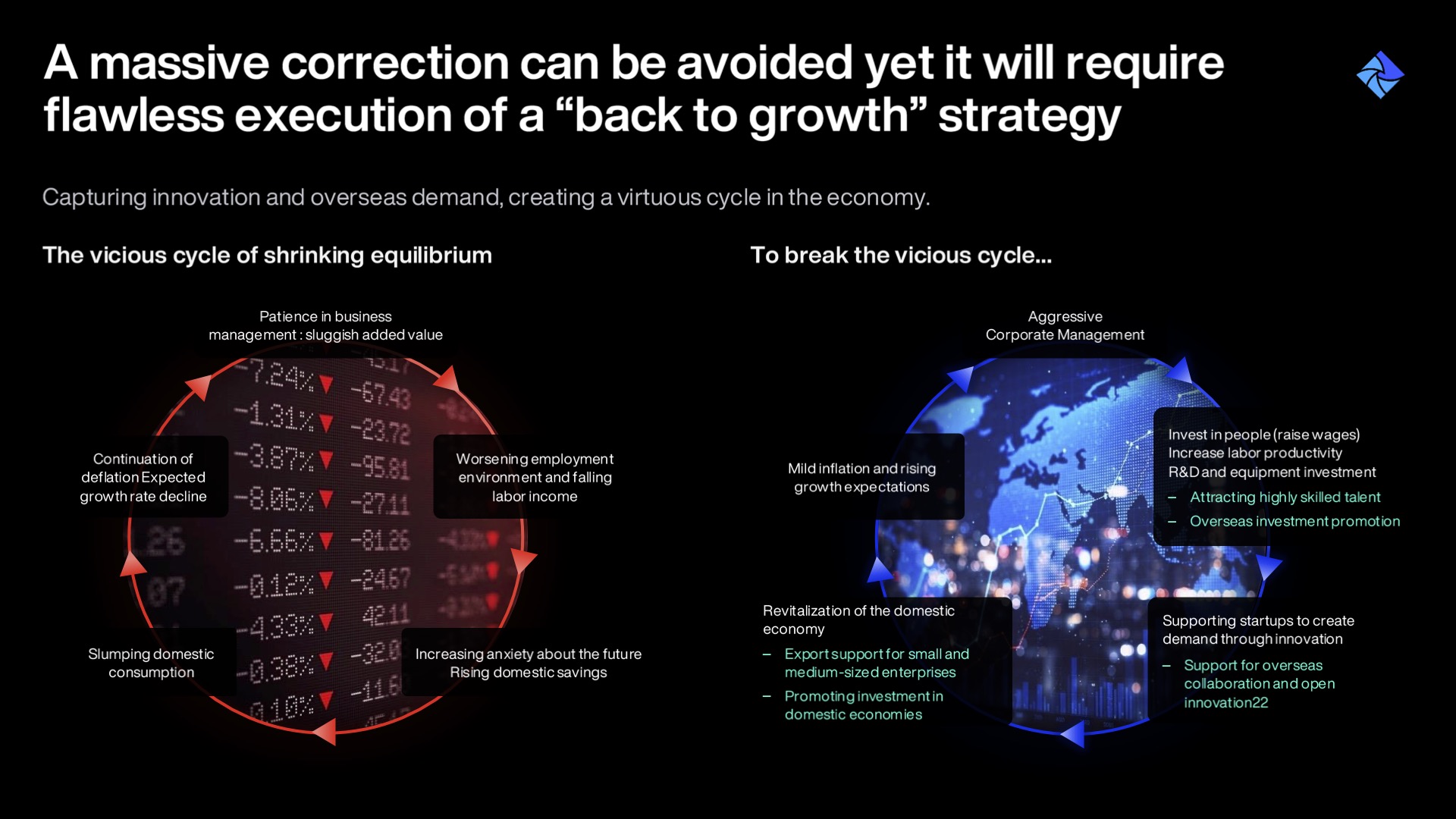
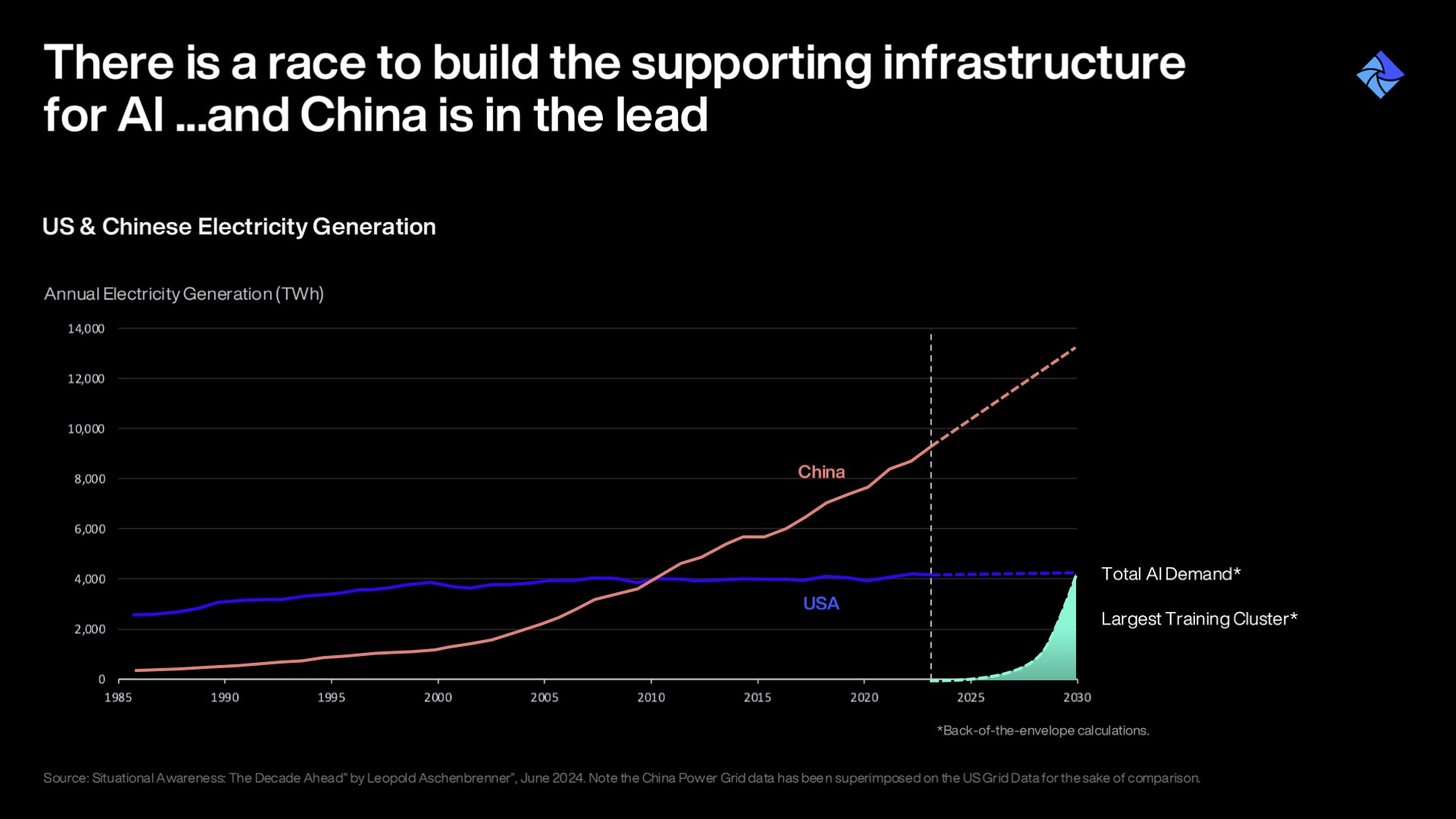
PTC’s 2025 rewind is the appropriate starting point for official prior-year context. Historical videos on power, private equity and global trade can deepen preparation without being embedded as evidence of the current schedule.
Editorial disclosure
Percepture/Pyra is a PTC’27 Platinum sponsor. Under the sponsorship agreement described in the supplied editorial brief, Percepture/Pyra provides ongoing build and technical support for Kai, PTC’s AI experience. Readers can review the public Kai case study. Event and program facts in this article are attributed to PTC’s official pages.
Frequently asked questions
What is on the PTC’DC 2026 agenda?
The PTC DC agenda covers AI infrastructure, power, high-density facilities, capital, fiber, sovereign AI, export controls, government coordination and development friction. Confirm individual session titles and times on PTC’s official agenda page.
What are the main PTC’DC 2026 themes?
The main themes connect AI growth with the physical, financial and policy systems required to support it. The PTC DC agenda brings technology, energy, investment, connectivity, regulation and community considerations into the same executive conversation.
What does AI 2030 cover at PTC’DC?
AI 2030 examines AI as an infrastructure and competitiveness issue. Attendees should listen for how demand, power, capital, facilities, network capacity and policy dependencies shape the next phase of deployment.
Are there data center and power sessions?
Yes. The supplied program themes include gigawatt power, high-density infrastructure and data center development. Current session names, speakers and timing should be checked directly with PTC.
Does PTC’DC cover fiber, policy and sovereign AI?
Yes. The supplied agenda themes include fiber and consolidation as well as sovereign AI, export controls and government-industry alignment. These topics help leaders evaluate dependencies beyond the facility itself.
Is there a data center workshop before PTC’DC?
Yes. The supplied materials identify a September 16 Data Centers Workshop, and the PTC DC agenda planning process should account for it separately. Verify access, timing and current details on PTC’s official workshop page.
Where can I find the latest official PTC’DC schedule?
The latest PTC DC agenda should be obtained from PTC’s official agenda page and official event tools. Recheck them shortly before attending because program details can change.

About Bob Generale
Bob Generale is President of Percepture. He writes about executive strategy, search visibility, communications and the business decisions shaping telecom and digital infrastructure.