
A family inquiry is not permission to rush a decision. Senior living email marketing should help community operators, marketing leaders and admissions directors answer the next useful question—not send every contact the same tour invitation.
Build the program around permission, the contact’s role and their stated timing. Separate research from tour logistics, give replies a named owner, and measure requested visits, qualified conversations and attended tours before drawing conclusions about move-ins.
Senior living email marketing: definition and buyer roles
Senior living email marketing is a planned series of permission-based messages that helps prospective residents and family contacts understand a community and choose their next step. Segment messages by role, interests and timing; connect useful answers to a community tour; and record what happens afterward rather than treating engagement as admission.
An inquiry is a request for information. A family contact is a relative or other person helping someone research options; that role does not establish authority to receive someone else’s private information. A community tour is a scheduled visit to explore the setting and ask questions.
Write to the person who actually subscribed. An older adult researching independently should not receive language addressed to their children. An admissions director needs routing and follow-up rules; a marketing leader needs consistent content and reporting. The broader senior living content marketing guide provides the companion topic for planning educational material beyond email.
What families need before and after the first inquiry
Before an inquiry, publish enough information for someone to decide whether a conversation is worthwhile. Useful subjects include location, living options, the cost structure, what a visit involves and how to contact the community. Let people ask about options without requiring a health history on a marketing form.
After an inquiry, acknowledge what the person requested. Someone asking about monthly costs should receive an explanation of cost components and a route to a current, community-specific answer—not an unrelated lifestyle newsletter. Organize content marketing programs around these questions, with an owner responsible for maintaining each answer.
Give website and email writers the same approved source material. A shared approach to SEO content development can keep public explanations and nurture messages from contradicting one another.
Keep discovery reporting separate from admissions reporting
The acquisition question is how someone found the community. The nurture question is what helped them decide what to do next. Use the organic SEO services guide for the search workstream and AI content citation strategy for the related citation workstream; neither should substitute for a recorded tour event.
If your team is also evaluating AI-search monitoring, Percepture and Prime AI Visibility are related companies. Review the Prime AI Visibility platform and Prime AI Visibility features within that separate evaluation. Keep its objectives distinct from this email program’s admissions measures.
Segmentation: resident, adult child and referral partner
Segmentation means grouping contacts so their messages reflect relevant preferences or circumstances. Start with information people volunteer: who they are researching for, the community they prefer, the subjects they want and whether they are exploring or ready to visit.
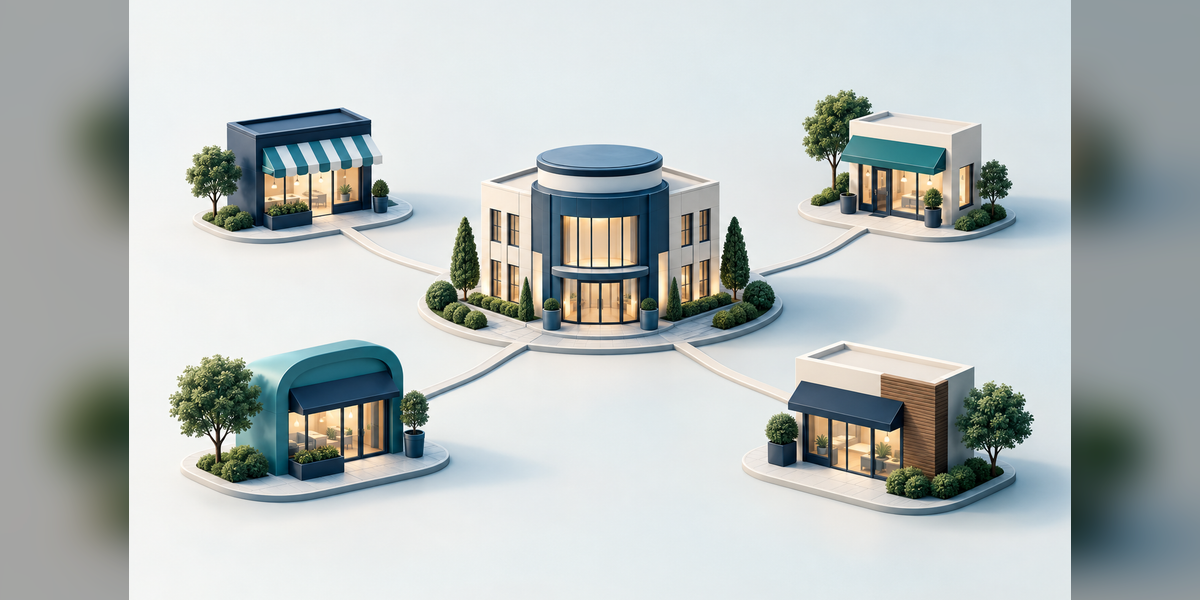
Keep prospective residents, adult-child researchers and professional referral partners on different paths. A referral partner may need a professional contact route, not a family nurture sequence. For multi-community operators, use customer journey optimization to map transfers between communities and assign responsibility before building automation.
Compare programs by the decisions they support
| Decision area | Family-first design | What to request | Reason to pause |
|---|---|---|---|
| Role and permission | Separate the subscriber’s role from the prospective resident’s identity. | Show preference capture, permission history and suppression rules. | A family relationship automatically enrolls another person. |
| Pre-tour education | Match information to the question and selected community. | Walk through cost, living-option and timing branches. | Every inquiry enters one generic campaign. |
| Tour scheduling | Distinguish a request from a confirmed appointment. | Demonstrate confirmation, rescheduling and cancellation paths. | Educational messages keep asking someone to book an existing appointment. |
| Privacy and care wording | Restrict sensitive information and review claims before sending. | Show access controls, content ownership and opt-out handling. | Compliance is asserted without explaining scope. |
| Attribution | Record inquiry, requested tour, attended tour and move-in separately. | Trace synthetic contacts through reporting and duplicate handling. | Clicks are reported as admissions outcomes. |
Keep a dated evaluation record. Separate demonstrated behavior from provider statements, estimated implementation effort and unresolved requirements. An unknown integration requirement belongs in the buying decision, not beneath an assumed checkmark.
Welcome, nurture, tour confirmation and post-tour sequences
Give each sequence one job. Welcome messages acknowledge the request and identify a reply contact. Nurture messages answer selected questions. Confirmations handle the visit. Post-tour messages address what remains unresolved.
When comparing email marketing services, ask who owns both the messages and the rules that stop them. Content production without routing, suppression and admissions coordination leaves the journey unfinished.
Percepture’s Inquiry-to-Tour Email Journey
For this guide, Percepture organizes program design around six decisions:
- Permission: What did this contact agree to receive?
- Family role: Who is researching, and who should receive the message?
- Helpful answers: Which question should this message resolve?
- Tour scheduling: Is the next step a request, confirmation or reschedule?
- Follow-up: What did the contact ask after the visit?
- Move-in attribution: How will the eventual outcome be recorded without overstating email’s contribution?
Build exit conditions alongside entry conditions. A reply should reach a person. A booked tour should remove redundant booking requests. A cancellation should not trigger an attendance-based follow-up. A request to pause should stop the relevant nurture path.
Sample 5-email family-first outreach flow
This proposed sequence is a writing example, not a fixed sending schedule. Progress only while the content remains relevant and the contact’s permission and preferences support it.
- Acknowledge the question. Subject: “Your questions about our community.” Confirm the requested information, identify the admissions contact and invite a reply.
- Explain the cost conversation. Subject: “What is included in monthly costs?” Explain which cost components need discussion and how to obtain current details for the selected community.
- Clarify living options. Subject: “Questions to ask about living options.” Use reviewed descriptions and offer a conversation about fit without suggesting a clinical assessment by email.
- Make a visit understandable. Subject: “What to expect during a community visit.” Describe the proposed visit format, accessibility arrangements and how to request a convenient time.
- Offer a choice. Subject: “Would a visit or more information help?” Let the contact request a visit, ask another question, reduce frequency or stop messages.
Once a tour is confirmed, switch to logistics. Include the actual appointment details and a clear way to change plans. If the booking page creates confusion, scope conversion rate optimization services around that specific handoff rather than simply increasing email volume.
Consent, unsubscribe, privacy and truthful care claims
Consent means the permission a person gives for a stated use or communication. An opt-out is a request to stop a category of messages. Record what was presented, what the contact selected and when; make the unsubscribe route clear and test it across connected systems.
Permission-first design is the operating approach recommended here. Legal requirements depend on jurisdiction, organizational role and the information handled. Use the FTC’s CAN-SPAM compliance guide as a starting point for a U.S. commercial-email review, not as a substitute for assessing the full program.
HIPAA applicability means determining whether the Health Insurance Portability and Accountability Act applies to the organization, information and activity in question. Have your privacy lead assess that scope using HHS resources on covered entities and business associates and marketing under HIPAA. Do not assume a marketing opt-in authorizes sensitive disclosures.
Keep diagnoses and care narratives out of subject lines and routine marketing personalization. Route sensitive questions to an approved channel. Before publishing care-related wording, assign a qualified operational reviewer to check accuracy, community scope and any limitations. Avoid promises about safety, health outcomes or suitability that the team cannot substantiate.
How to measure inquiries, tours and move-ins
A CRM, or customer relationship management system, is the system used to organize contacts and interactions. A move-in is the recorded start of residency; define its reporting date consistently across communities.
Create separate events for inquiry received, qualified conversation, tour requested, tour confirmed, tour attended and move-in. Define a qualified conversation in advance—for example, a substantive exchange about community fit or a next step—not any answered email.
For each rate, name the numerator, denominator and reporting window. Tour attendance rate can use attended tours divided by confirmed tours scheduled for that period. Do not mix that with inquiry-to-tour conversion or compare a mature inquiry cohort with contacts added yesterday.
Use attribution analytics to distinguish recorded email interactions from an attribution model’s assigned credit. An email interaction before a move-in establishes a sequence of events, not proof that email caused the decision.
Coordinate email, phone and in-person follow-up within omnichannel marketing programs. Give admissions staff a way to record offline conversations without counting the same household or tour repeatedly.
Price the operating scope, not just the send
Compare quotes using the same contact count, sending volume, communities, user seats and integration requirements. Separate setup from recurring fees. Ask whether the scope includes content, preference management, CRM configuration, deliverability work, reporting, training and ongoing quality checks.
For budgeting, calculate total program cost per attended tour using a stated period and included costs. If modeling return on investment, distinguish projected contribution from revenue, label conversion assumptions and test a downside case. Do not turn attributed move-ins into a claim of incremental return.
Compare scope before comparing fees
Community operators and marketing leaders can use these requirements to frame a pricing discussion around content, integrations, admissions ownership and reporting.
60-day email program QA checklist
Use this as a proposed rollout sequence. Extend a phase when its checks are incomplete; the calendar is not permission to send.
- Days 1–15: establish ownership. Name the program owner, admissions responder, content approver and privacy contact. Map role, permission, community and preference fields.
- Days 16–30: test the journey. Use synthetic contacts to check segmentation, replies, confirmations, cancellations, opt-outs and duplicate handling.
- Days 31–45: launch within a defined scope. Begin with an eligible audience and staffed handoff. Check mobile readability, descriptive links, text alternatives and appointment accuracy.
- Days 46–60: review decisions. Reconcile event records, inspect unresolved replies and assess whether content answers actual questions. Adjust pacing before expanding.
Family inquiry to community visit without pressure tactics
Illustrative case scenario (hypothetical)
ILLUSTRATIVE SENIOR-LIVING CASE SCENARIO (HYPOTHETICAL, NOT A REAL CLIENT)
Consider a hypothetical multi-community operator receiving inquiries from prospective residents and adult children. The team offers optional role, preferred-community and timing questions alongside clear email choices. It does not ask contacts to describe medical conditions in the nurture form.
An adult-child researcher selects cost information and indicates that a visit is not yet the priority. The program sends a cost explainer and a route to current community-specific details. A prospective resident researching independently receives resident-directed language and the topics they selected, not a message addressed to their family.
When either contact requests a visit, an admissions owner confirms the details. The program pauses general booking requests, sends practical preparation information and provides a cancellation route. After attendance is recorded, follow-up asks which questions remain rather than assuming readiness to move.
The operator would measure requested tours and qualified conversations, then reconcile attended visits and later outcomes. Unsubscribes would stop the relevant marketing messages. Sensitive questions would leave the nurture workflow for an approved channel, and care descriptions would receive review before use. This scenario describes a proposed design, not achieved results.
Questions to resolve before launch
How often should senior living organizations email prospects?
Choose an initial cadence based on the information requested and the contact’s stated timing. Offer frequency choices, pause when requested and review replies and opt-outs before increasing sends. There is no single cadence prescribed by this guide.
What information should an adult child get before a tour?
Provide current community-specific cost information or a clear route to it, reviewed descriptions of living options, visit logistics and a named contact. Do not include another person’s private information merely because the subscriber is a family member.
Can a senior living team automate post-tour messages?
Include automation in the design only if attendance, cancellations, replies and suppression rules can be handled reliably. Test those paths with synthetic records. Otherwise, use a staff-owned follow-up task until the workflow is dependable.
How can tours be attributed to consented email?
Connect permitted email interactions and tour events through consistent CRM records. Document the attribution window and crediting rule, deduplicate contacts and report attributed activity separately from claims about incremental impact.
What email privacy rules apply to community marketing data?
Assess the jurisdiction, organization, data and intended use with your privacy or legal lead. Review commercial-email requirements and HIPAA applicability separately; do not treat an opt-in or a software feature as a complete compliance determination.
Should an old inquiry list enter a new automated sequence?
Do not enroll it automatically. First assess the original permission, current suppression records, retention policy and whether the proposed messages match what people requested. Exclude records the team cannot responsibly place in the new journey.
A useful program gives both the contact and the admissions team a clear next step. Start with one well-defined journey, keep answers current and expand only when the team can explain who receives each message, why it is relevant and how the response will be handled.
Define one inquiry-to-tour journey
Bring one community’s inquiry form, current messages, permission language and reporting definitions. Use the conversation to identify the content, routing and measurement work your team should scope first.

About Bob Generale
Bob Generale is President of Percepture. This guide presents his editorial approach to marketing strategy, useful content and customer journeys.