
The first question for data center cooling providers is not “Which brand is best?” It is “Who is responsible for making this system work with our servers, building, and operating plan?”
Start there, and the buying process becomes more useful. This guide shows business leaders how to define scope, compare proposals, and set acceptance criteria alongside their facilities and IT teams.
What are data center cooling providers?
For procurement purposes, data center cooling providers are suppliers being evaluated for cooling equipment and related project services. Assess their proposed scope, hardware compatibility, facility interfaces, service responsibilities, operating costs, and acceptance tests. Select against documented project requirements rather than treating a general vendor ranking as a purchase recommendation.
What should a cooling provider be responsible for?
Give data center cooling providers a defined scope before requesting prices. Specify whether you are buying equipment, an integrated project, ongoing support, or a combination. Require each bidder to identify what it will deliver and what remains with your team or another contractor.
Use a responsibility schedule that names an owner for design review, installation, controls integration, commissioning, maintenance, and incident response. Include the handoffs between those activities. “We support the solution” is not a substitute for a written service obligation.
Separate the equipment purchase from the operating commitment. Request warranty terms, service coverage, spare-parts arrangements, training requirements, and exclusions. Ask who takes the first call when the cause of a problem is unclear.
Before comparing data center cooling providers, settle one commercial question: who owns the completed system’s acceptance? Put that answer in the procurement documents, not just the meeting notes. Have your technical team define the limits; have procurement carry those limits into the contract.
How should cooling work within your AI infrastructure plan?
Schneider Electric describes data center cooling as transporting heat energy from the IT environment to the outside atmosphere. Use that full path as the boundary of your evaluation, rather than stopping at a rack or a piece of equipment.
Give data center cooling providers a project brief that identifies the planned servers, rack layout, deployment phases, and available facility services. Have the engineering team supply the required operating conditions. Do not ask vendors to fill gaps with assumptions that remain invisible to decision-makers.
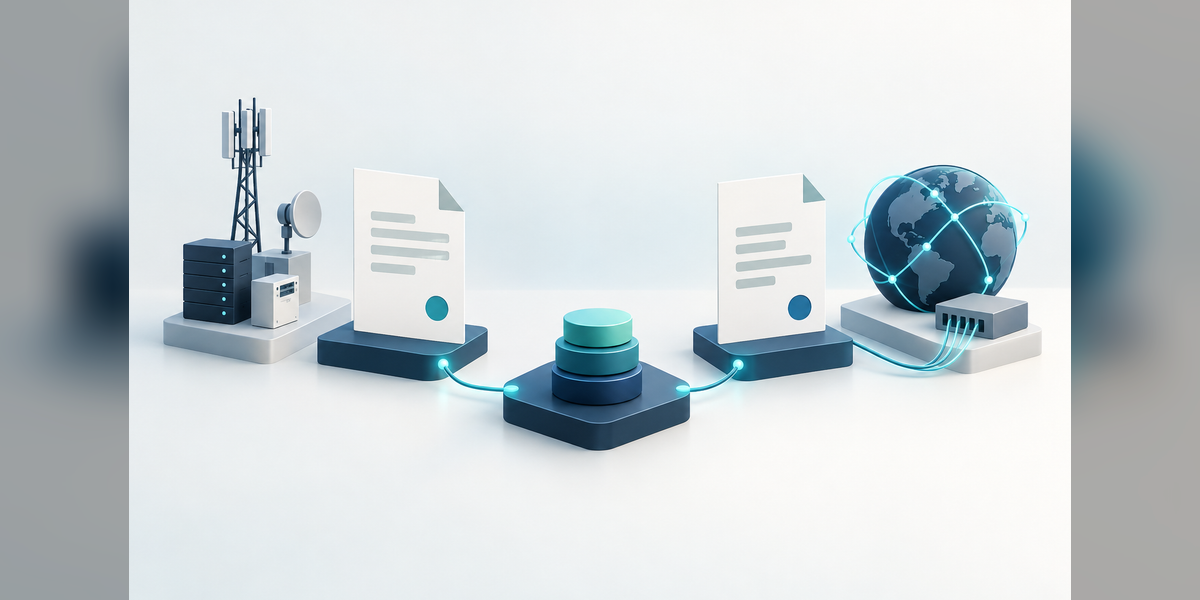
Request a system diagram showing heat collection, distribution, heat rejection, monitoring, and controls. At each interface, ask which party supplies the equipment, defines the requirements, and checks the connection. Where responsibility changes hands, require a named sign-off.
Treat cooling as one part of the broader digital infrastructure decision. Review power, interconnection, fiber connectivity, and workload requirements separately. Do not let a cooling proposal stand in for those other assessments, or let a strong site presentation replace a technical review.
Which cooling approach deserves a closer look?
Ask data center cooling providers to explain why their proposed approach fits your documented requirements. Start with approved server configurations and facility constraints. Use the following questions to guide specialist review, not to select a design without engineering input.
Questions to settle before selecting an approach
| Proposed approach | Questions for the technical review | Evidence to request |
|---|---|---|
| Air cooling | Does the proposed layout meet the approved operating requirements for the planned equipment? | Design assumptions, layout review, and an agreed test plan. |
| Direct-to-chip liquid cooling | Which server configurations are covered? Who approves the connections, fluid requirements, and facility interfaces? | Compatibility documents, interface specifications, and responsibility assignments. |
| Immersion cooling | What equipment approvals, service procedures, and fluid-handling requirements apply? | Applicable equipment documentation and an operating plan reviewed by your specialists. |
| A mixed approach | How will each equipment group be served, monitored, maintained, and expanded? | A combined design, defined system boundaries, and coordinated acceptance criteria. |
When data center cooling providers propose different approaches, require each to address the same project brief. Record deviations explicitly. “Suitable for AI” is not an acceptance criterion; a documented match to your selected equipment and operating requirements is.
How do you compare proposals and total cost?
Compare data center cooling providers against one set of assumptions. Use the same deployment schedule, capacity requirements, service term, and evaluation period. Require bidders to distinguish firm commitments from estimates, options, and work excluded from the price.
Request separate lines for equipment, installation, facility modifications, commissioning, controls, training, maintenance, consumables, and replacement parts. Ask each bidder to identify any category that does not apply. Keep the cost of meeting an excluded requirement visible in your comparison.
Review operating-cost estimates with the facilities team. Request the input assumptions, measurement boundary, expected load profile, and treatment of local conditions. Compare the calculation methods before comparing the totals. Do not turn a scenario estimate into a promised saving.
Have data center cooling providers show how their proposals change across deployment phases. Ask what must be purchased now, what can be added later, and what future work would require a shutdown or redesign. Carry those assumptions into your broader data center financing review rather than evaluating the initial purchase alone.
What should acceptance testing prove?
Agree on acceptance criteria before signing. Have your engineering team define the loads, operating conditions, measurement points, duration, and permitted limits. Ask the provider to identify the equipment and staffing needed to run those tests safely.
Require data center cooling providers to explain how the test plan will address normal operation, alarms, maintenance activities, and agreed failure scenarios. Leave test execution and safety procedures to qualified specialists. A business buyer’s job is to make the required evidence part of the purchase.
Name the person authorized to accept each result. Specify what happens after a failed test: corrective work, retesting, escalation, and any contractual consequences. Include the documents and training required for handover, not just the equipment’s arrival on site.
Keep a distinction between a demonstration and project acceptance. Ask whether evidence comes from your installation, a comparable deployment, or a controlled demonstration. Evaluate each within its stated boundary; do not substitute one for another without technical review.
Which buying mistakes should companies avoid?
Avoid comparing data center cooling providers through headline capacity or purchase price alone. Require the conditions behind each number and the work included in each price. A proposal with unresolved assumptions belongs in the clarification process, not at the top of the shortlist.
Do not accept ambiguous ownership at system interfaces. Write down who investigates an alarm, who coordinates multiple suppliers, and who authorizes a repair. Resolve gaps before they become disputes over the scope of support.
Do not choose an expansion path without asking how it will be executed. Require an outline of future installation work, access needs, testing, and operational approvals. Have the operating team review that outline before procurement treats expansion as straightforward.
Finally, keep sales language separate from contract language. If a claim influences the buying decision, request the supporting document and the conditions under which it applies. For marketing leaders, this is also a useful discipline for data center marketing: distinguish an offered capability from a tested result.
How should you measure success after installation?
Set success measures with the people who will operate the system. Ask data center cooling providers to map each proposed measure to a requirement, a measurement method, and a responsible owner. Establish the reporting period before you review results.
For technical performance, use the operating limits approved by your specialists. For service performance, track the contractual response and resolution commitments. For commercial performance, compare actual spending with the agreed budget categories and document changes in scope.
Request energy and water reporting with clear boundaries and stated operating conditions. Review those results alongside workload, capacity use, and service performance. Avoid reducing the entire purchase decision to one efficiency figure or an isolated reporting period.
Maintain a record of alarms, service actions, parts replacement, and approved changes. Use it during regular reviews with the supplier and operating team. When results differ from the plan, investigate the cause before attributing the difference to equipment, operation, or design.
What should your buying team do next?
Build a shared project brief, a responsibility schedule, a normalized cost comparison, and an acceptance plan. Assign facilities, IT, procurement, finance, and operations to the parts they must review. Keep unresolved items visible until the responsible specialist closes them.
Then shortlist data center cooling providers by their ability to meet those requirements and document their commitments. Choose the proposal your team can evaluate, contract, test, and operate—not the one with the broadest promise. The final decision should rest on an agreed system scope and evidence tied to your project.

About Bob Generale
Bob Generale is President of Percepture.