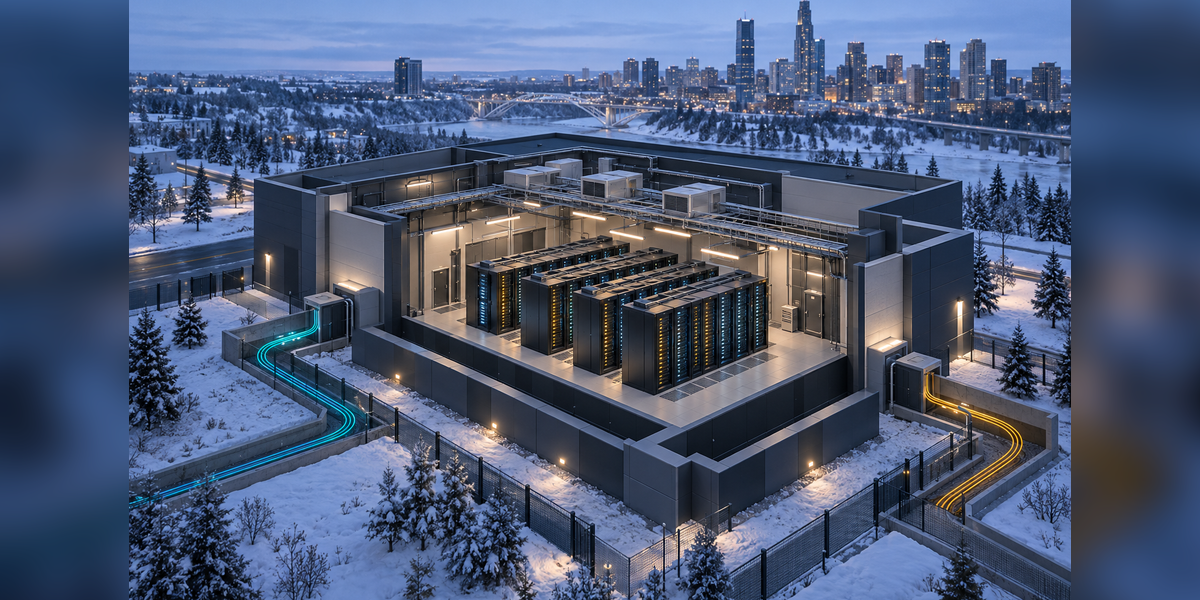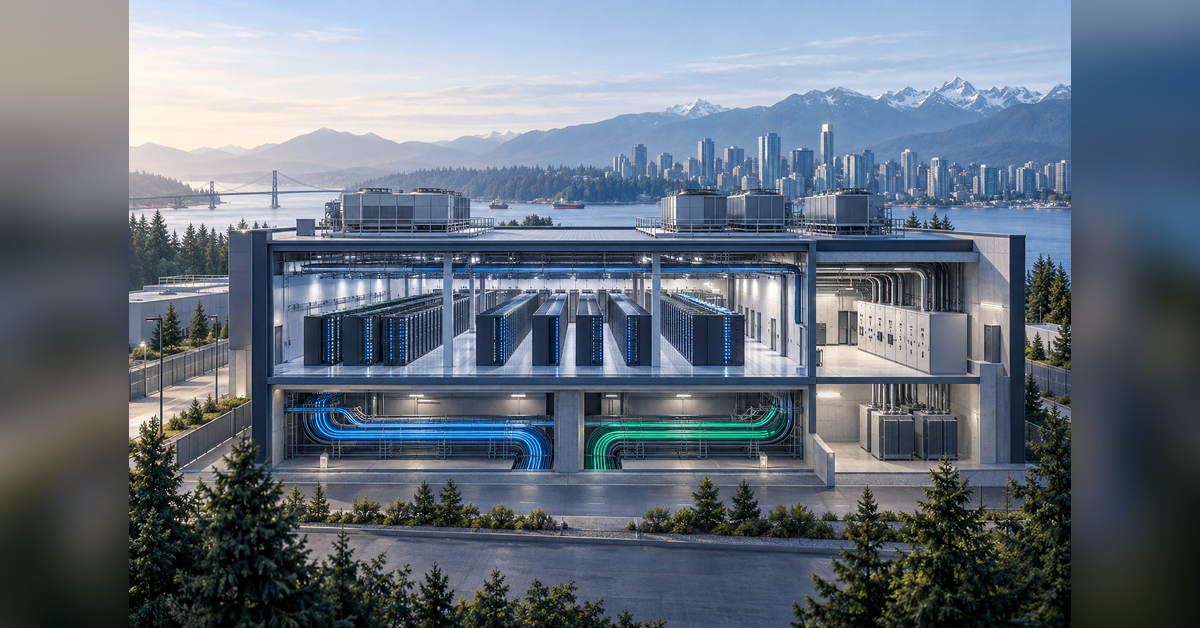

Choosing the best Vancouver Canada data centers starts with the building, network path and workload, not a provider’s metro label. Treat Vancouver Canada colocation as a site-level purchasing decision.
This guide is for leaders building a shortlist with their infrastructure team. Use it to separate Vancouver proper from Burnaby, distinguish physical facilities from product names, and request comparable evidence before signing.
Which Vancouver-area data center should you choose?
Choose the facility whose documented location, service model, network paths, power allocation and delivery date match your workload. Start with operator market pages, then compare site-specific proposals. Keep Vancouver proper and Burnaby separate, and do not count different site codes as independent buildings without checking their addresses and shared dependencies.
Draw the location boundary before contacting providers
Write down what “Vancouver” means for this purchase: Vancouver proper, Burnaby, or a broader metro search. Then decide whether that boundary is a requirement or a preference.
For example, if your staff will service customer-owned equipment, ask the operations lead to evaluate access procedures, permitted maintenance windows and travel from the team’s actual starting point. If application performance drives the decision, have the network team specify the endpoints and acceptance tests that matter. Do not substitute distance on a map for an application requirement.
Keep three fields separate in the shortlist: the provider’s market label, the facility’s municipality and the exact service address. Add the suite or other facility identifier when supplied. A city name should not carry the whole decision.
For a primary-and-recovery design, also identify which dependencies must be independent. Different facility names alone are not evidence of separation.
Two operator overviews to start the Vancouver search
Cologix and Equinix provide starting points for investigating this market. Use their overview pages to identify candidate offerings, then request the address and specifications for the exact site being proposed. This is a discovery map, not a ranked facility shortlist.
| Operator and source | Starting information | Next buyer request |
|---|---|---|
| Cologix Vancouver overview | Cologix’s Vancouver overview lists VAN1–VAN5. | Map each proposed site code to its address, municipality and physical building. Request connectivity and capacity information for that specific offering. |
| Equinix Vancouver overview | Equinix’s Vancouver overview includes a Burnaby location. | Keep the Burnaby option distinct from Vancouver proper. Request the exact facility identifier, service address and site-specific proposal. |
Do not turn Cologix’s five site codes into five independent physical locations without checking the building relationships. Likewise, do not describe the Equinix Burnaby option as downtown Vancouver.
A useful first email is straightforward: “Which exact building and service offering are you proposing for these requirements?” Ask for an answer that ties the proposal, technical documents and commercial terms to the same facility identifier.
Make Vancouver Canada colocation proposals describe the same purchase
For this comparison, separate the space-and-power purchase from the equipment and operating responsibilities. Ask every bidder to describe its offer in those terms rather than relying on a product label.
For customer-owned equipment, request the cabinet or cage allocation, power commitment, access arrangements, cross-connect terms and remote-hands scope. For a hosting or managed-service proposal, identify who supplies the servers, maintains the operating system, handles failures and performs changes.
If a seller proposes a combination, split the quote into its components. The finance team should be able to see what it is paying for; the infrastructure team should be able to see what it must still operate.
Put responsibility boundaries in writing. Who receives replacement equipment? Who can authorize a reboot? Who diagnoses a failed link? Who is available during your maintenance window? Resolve those questions before comparing headline prices.
Trace the connection your workload will actually use
Start with the destinations: offices, customers, cloud environments, network partners or other facilities. Then ask the provider to describe the path from your equipment to each required endpoint.
For every connection, request the service name, delivery location, ordering party, expected lead time and recurring and installation charges. Identify any service that must be purchased from another organization.
If an internet exchange is part of the design, ask which exchange connection is offered at the proposed site and how it reaches your cabinet. If cloud connectivity is part of the pitch, ask where the connection terminates and whether the proposed path includes transport to another location.
Treat carrier choice and physical route separation as different questions. Two carrier names do not establish two independent fiber paths. Ask the network reviewer to examine building entrances, shared segments and the route information the relevant parties can provide under appropriate confidentiality terms.
For latency-sensitive applications, agree on the test endpoints, traffic conditions and acceptance criteria before testing. Keep actual measurements separate from proposed targets. A useful comparison records the path and conditions behind a result, not just a single latency number.
Ask what power and space can be committed to your order
A market description is not an allocation for your deployment. Ask for a dated proposal that states the space and power offered to you, the delivery milestone and how long the offer remains valid.
Give the provider a deployment profile: equipment list, expected and peak electrical load, cabinet arrangement, cooling requirements and expansion plan. For GPU or other dense equipment, have the infrastructure team supply the equipment-specific requirements rather than asking whether the facility is simply “AI-ready.”
Separate the initial deployment from future growth. Ask what is committed at signing, what requires another order and what depends on work that has not yet been completed. Have the technical reviewer reconcile the proposed electrical and cooling arrangement with the actual equipment design.
Request the service-level agreement and maintenance terms for the proposed service. Ask the reviewer to explain the relevant failure scenarios, exclusions, notification process and remedies in plain language. Do not use a broad resilience label as a substitute for that review.
For data-handling requirements, bring legal and security into the evaluation. Ask them to assess the proposed service locations, administration arrangements, subcontractors and contract terms against your organization’s obligations.
A decision record your team can use
Illustrative scenario: A business wants to place customer-owned equipment in the Vancouver metro, compare primary and recovery options, and require documented network separation. The record below shows how to organize that inquiry; it is not a provider assessment.
- Source and date
- Start with the buyer-written requirements. Add each proposal’s issue date, validity period and supporting document versions when received.
- Known requirements
- The search includes Vancouver proper and Burnaby. The purchase is for customer-owned equipment. Primary and recovery candidates must be evaluated for shared dependencies.
- Open questions
- Exact proposed addresses, building relationships, network routes, cabinet allocation, power commitment, delivery dates and total quoted charges.
- Responsible reviewers
- Procurement coordinates the record. Infrastructure reviews space, power and cooling; network engineering reviews paths; operations reviews access and support; legal and security review applicable obligations.
- Decision limits
- A market-page listing alone does not satisfy the site, capacity or route requirements. Keep those items open until the relevant proposal evidence is reviewed.
- Next action
- Send the same requirements to each candidate operator. Request a site-specific response and assign each unresolved item to a reviewer before selecting finalists.
Use a requirement-level status rather than an unsupported overall vendor score: documented, unresolved or does not meet the requirement. Attach the relevant proposal reference and reviewer’s reasoning to each decision.
Keep mandatory requirements separate from preferences. A facility that cannot meet a required delivery date should not compensate for that gap with attractive features elsewhere in the scorecard. Conversely, a preference should not silently become a disqualifier halfway through procurement.
Compare commercial terms only after the technical scope matches
Ask each provider to quote the same deployment and contract assumptions. Break out space, power, connectivity, cross-connects, installation, remote hands and other proposed services. Record which charges are recurring, usage-based or one-time.
Have procurement examine the commitment period, renewal language, escalation provisions, cancellation terms, expansion rights and exit responsibilities. Ask how changes to the deployment affect the quote. Compare the cost over the intended contract period, not only the opening monthly charge.
If the business is also considering owning or developing infrastructure, treat that as a separate investment decision. Percepture’s guide to data center financing structures is a separate resource for that ownership-side comparison, not a substitute for a colocation proposal.
Questions to resolve before the shortlist becomes a contract
Should Burnaby be included in a Vancouver colocation search?
Include Burnaby if it falls within your acceptable operating area. Keep its municipality explicit in the comparison, and evaluate access, network paths and workload requirements for the exact proposed facility rather than treating it as downtown Vancouver.
Does a Vancouver market page prove that every listed site has the same connectivity?
No. Request a site-specific explanation of the connection, its delivery location, ordering requirements and any transport to another facility. Tie that explanation to the facility and service identifier in your proposal.
What should a Vancouver Canada colocation quote include?
Request the exact facility, cabinet or cage allocation, power commitment, connectivity scope, delivery date, support responsibilities, contract term and itemized charges. Ask the provider to identify exclusions and services you must order separately.
Finish with a decision-ready proposal, not a longer list
Send the same requirements record to the candidate operators and ask each to identify the exact site it is offering. Have your reviewers close the questions that could change the purchase: location, shared dependencies, network path, deployable capacity, operating responsibilities and contract exposure.
Judge shortlist readiness by the evidence behind those requirements and the unresolved blockers, not the number of provider names collected. The next step is a focused technical and commercial review of comparable proposals. Select the facility only after the people responsible for running the workload can explain why it fits.

About Bob Generale
Bob Generale is President of Percepture. He writes about how B2B companies get found, trusted and chosen, including telecom and data center markets, search visibility, digital PR and generative engine optimization.