


Data Center World Canada 2026 is scheduled for December 2–4 in Toronto. For business leaders, the real planning question is not simply whether to attend. It is whether the event can put the right operators, infrastructure partners, buyers, investors, and market conversations within reach.
This guide separates confirmed event details from the information that should be checked before booking. It also shows how to approach Data Center World Canada 2026 as a working business trip rather than three days of unstructured sessions and booth visits.
When and where is the 2026 event?
The official event listing places Data Center World Canada 2026 at the Metro Toronto Convention Centre in Toronto from December 2 through December 4, 2026. Review the official event website before arranging travel or selecting sessions.
Confirmed event details
The organizer’s listing provides two details that can anchor an early plan: the December 2–4 dates and the Toronto location. The event website should remain the primary source for registration instructions, daily schedules, access rules, and organizer updates.
The source material available for this guide does not identify a final agenda, complete speaker roster, or exhibitor list. Those details are therefore not reproduced here. Anyone evaluating Data Center World Canada 2026 should use the organizer’s current agenda and directory when deciding which team members to send.
Who should consider attending?
Operators and technical leaders
Attend when you need direct conversations about facilities, power, connectivity, operations, capacity, or infrastructure dependencies.
Buyers and investors
Attend when meetings with operators, vendors, advisers, and potential partners can improve commercial or investment diligence.
CEOs and marketing leaders
Attend when your company needs market intelligence, partner visibility, customer meetings, or a clearer view of how buyers describe current infrastructure priorities.
Data Center World Canada 2026 is a stronger fit when the team arrives with named accounts, defined questions, and a clear owner for follow-up.
What themes should attendees watch?
A final session list should guide the daily schedule, but useful evaluation can start earlier. Look for discussions that connect technical constraints to commercial decisions instead of treating each subject as a separate trend.
Power and site readiness
Ask how speakers and vendors define available capacity, delivery timing, resilience, and the dependencies between a planned facility and the surrounding power environment. Avoid treating a large capacity figure as meaningful without its timeframe and operating context.
Fiber, interconnection, and network density
A building is only one part of digital infrastructure. Ask where networks connect, how routes differ, which ecosystems are reachable, and what operational or commercial friction remains between the facility and its users.
AI infrastructure and deployment pressure
AI-related demand can shape conversations about power, cooling, network design, deployment schedules, and capital. At Data Center World Canada 2026, useful sessions should explain the operating tradeoffs behind those discussions rather than rely on broad claims about growth.
Buyers, communities, and capital
Executives should also listen for the business conditions around development: buyer requirements, financing logic, local relationships, permitting dependencies, and the gap between announced plans and assets that can serve customers.

How should you evaluate the agenda, speakers, and exhibitors?
When the organizer publishes or updates those materials, evaluate them against your business questions. A long agenda is not automatically a useful agenda, and a large exhibitor directory does not guarantee relevant meetings.
For each session, ask whether the speaker has a direct connection to the subject and whether the description promises operational detail. For each exhibitor, record why a meeting matters, who should attend, and what next step would make the conversation worthwhile. This turns the Data Center World Canada 2026 agenda into a decision tool instead of a calendar.
Build a meeting plan before arriving
Start with a one-page event brief. List the accounts, partners, journalists, advisers, or investors your team wants to meet. Assign one owner to each relationship and write down the question that the meeting should answer.
Next, sort meetings into three groups:
- Priority meetings: Conversations that could affect an active deal, partnership, investment decision, or market entry.
- Learning meetings: Conversations intended to test an assumption about power, connectivity, operations, buyers, or competition.
- Visibility meetings: Conversations with media, analysts, associations, or partners who influence how the market understands your company.
Leave open time between scheduled conversations. Events create useful introductions that cannot be planned in advance, but an overloaded calendar makes those opportunities hard to pursue.
Data Center World Canada 2026 should also have a follow-up plan before the first meeting occurs. Define how notes will be captured, where contacts will be routed, and when the team will review opportunities after the event.
Is the event worth attending?
The answer depends on access and purpose. Data Center World Canada 2026 may be worth the trip when the event concentrates people your team otherwise reaches through many separate calls, visits, or introductions. It is less compelling when attendance is based only on general brand exposure and no one owns the commercial follow-up.
Use a simple go-or-no-go test:
- Can the team identify the people or company types it needs to meet?
- Are there business questions that in-person conversations can answer faster?
- Is someone responsible for scheduling meetings before the event?
- Can the team act on introductions within days rather than weeks?
- Will the expected access justify travel, registration, and staff time?
A strong yes across those questions gives the trip a business case. Several weak answers suggest that a smaller delegation or a different event may be a better use of resources.
What should marketing leaders do differently?
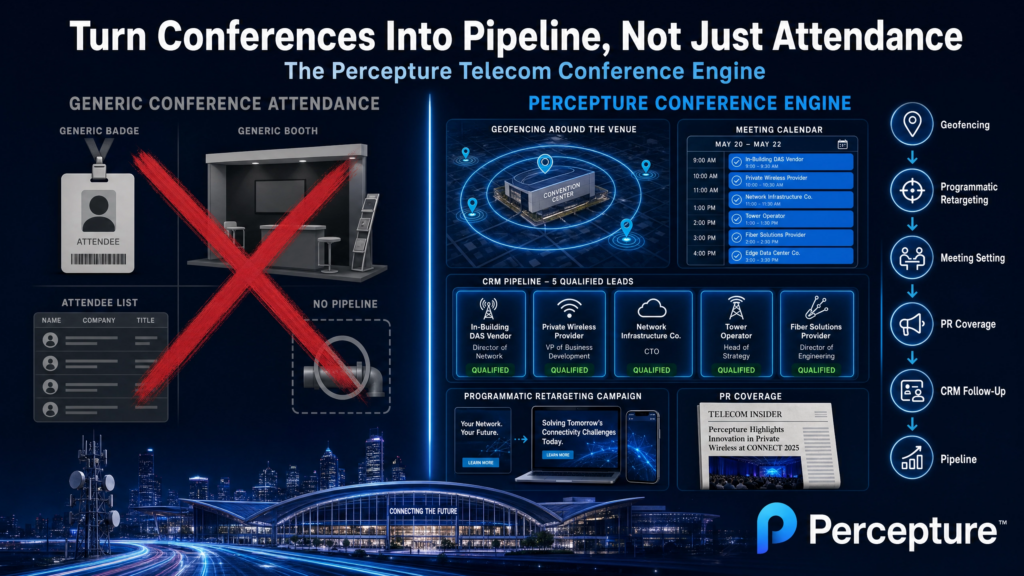
Marketing teams should not judge Data Center World Canada 2026 by badge scans alone. Connect event activity to named accounts, buyer questions, partner opportunities, content interviews, and agreed follow-up actions.
Before the event, align outreach, owned content, social activity, executive availability, and meeting support. Percepture’s guide to data center marketing strategy explains the wider market context, while the list of data center conferences can help teams compare this event with other options. Companies that span connectivity and infrastructure may also benefit from a broader telecom marketing strategy.
Check the quality of your event pipeline
Use a lead-quality review to identify where event contacts, account priorities, and follow-up ownership are disconnected.
Frequently asked questions
When is the 2026 event?
The official listing gives December 2–4, 2026.
Where is the event being held?
The organizer identifies the Metro Toronto Convention Centre in Toronto as the location.
Who should attend?
The event may fit data center operators, infrastructure vendors, buyers, investors, advisers, executives, and marketers with specific meetings or research goals.
How should attendees choose sessions?
Choose sessions that address a defined business question and offer direct operating, commercial, investment, or infrastructure insight.

About Bob Generale
Bob Generale is President of Percepture. He works with business leaders on integrated marketing, search visibility, public relations, and growth strategy. Connect with Bob on LinkedIn.