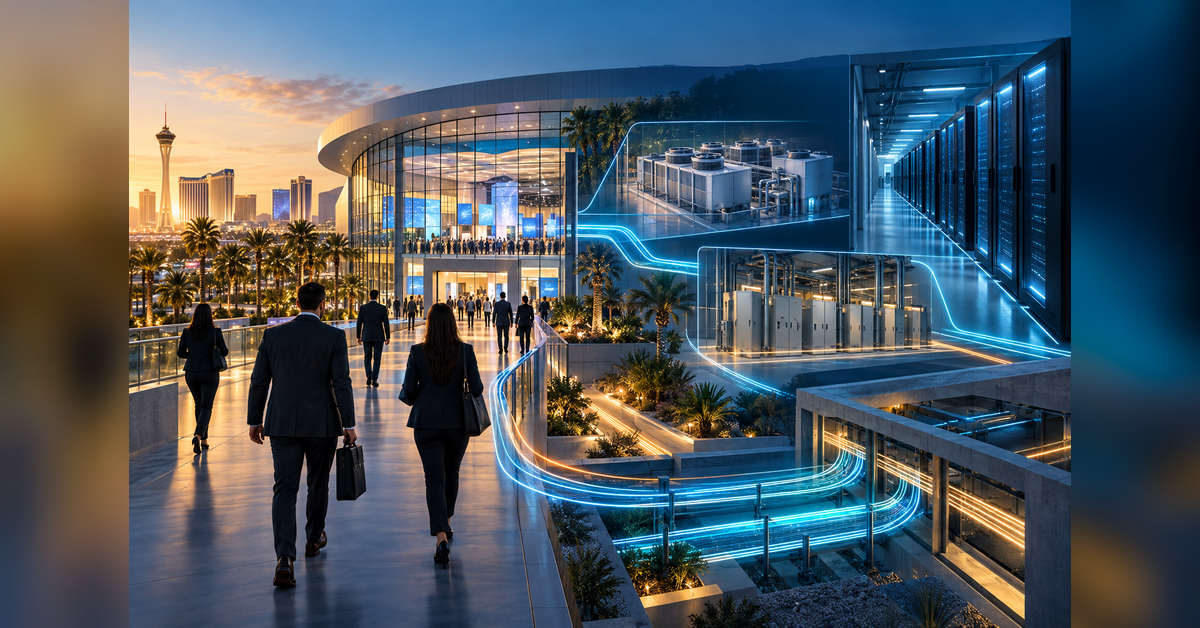

YOTTA 2026 is scheduled for September 28–30 at Caesars Forum in Las Vegas, according to published event listings from TIA and Compass Datacenters. This guide helps business and marketing leaders decide whether the event fits their goals and prepare without relying on an unverified speaker or exhibitor list.
The best plan starts with a narrow question: what decision, relationship, or market signal should the trip produce? YOTTA 2026 can cover a wide digital infrastructure field, so a useful agenda depends on choosing priorities before meetings and sessions compete for attention.
What should attendees know before making plans?
YOTTA 2026 is a digital infrastructure event scheduled for September 28–30, 2026, at Caesars Forum in Las Vegas. Its stated scope spans infrastructure layers such as data centers, networks, compute, power, and cooling. Prospective attendees should check the official event site for the current agenda, speakers, exhibitors, registration terms, and any schedule changes before booking.
The event at a glance
- Dates: September 28–30, 2026
- Location: Caesars Forum, Las Vegas
- Core subject: Sustainable and scalable digital infrastructure
- Industry scope: Data centers, telecommunications, networks, compute, power, and cooling
- Best planning move: Set meeting goals and evaluation questions before choosing sessions
The dates and venue appear in published listings from TIA and Compass Datacenters. Use the official YOTTA site as the final source for operational event details.
Why plan around a decision instead of the whole show?
A broad event can create the false sense that every session and introduction matters equally. Before YOTTA 2026, write down the business decision that would make the trip useful. That decision might concern a partner, supplier, expansion market, technology category, investment thesis, or customer segment.
Turn that decision into three questions. For example, an operator assessing a market could ask which power constraints shape deployment, which fiber routes affect connectivity, and which partners can shorten the path from site selection to service. A marketer might ask which buyers will attend, what problems they are discussing, and what evidence those buyers expect from vendors.
This approach also makes follow-up easier. Notes can be organized by decision rather than by booth, session, or contact. A smaller set of relevant conversations is usually more actionable than a large collection of unqualified scans.
Who should consider attending?
YOTTA 2026 may fit leaders whose work crosses more than one layer of digital infrastructure. The organizer describes the event as an effort to bring the industry together around sustainable, scalable growth. Its public company description references hyperscalers, colocation providers, telecommunications, networks, compute, power, and cooling.
That scope can support several attendee types:
- Data center operators: Compare infrastructure dependencies, operating priorities, and potential partners.
- Enterprise and infrastructure buyers: Explore options while testing whether vendors can explain deployment conditions clearly.
- Investors and advisers: Listen for specific constraints, customer requirements, project dependencies, and execution risks.
- Technology and service vendors: Meet buyers and partners whose needs cross facilities, connectivity, energy, and computing.
- Marketing and communications leaders: Study buyer language, identify credible story angles, and build a focused meeting program.
Attendance is harder to justify when the team has no target account list, no defined questions, and no owner for follow-up. In that case, preparation should come before registration.
What themes deserve attention?
The public description of YOTTA 2026 points toward cross-stack digital infrastructure rather than a single product category. That makes the connections between systems as important as the systems themselves. Attendees should listen for specific dependencies instead of treating broad themes as proof of market change.
| Theme | Questions to ask | Useful signal |
|---|---|---|
| Power | What capacity is available, on what timetable, and under what conditions? | A specific delivery path with named dependencies |
| Fiber and interconnection | Where can networks exchange traffic, and what routes provide practical diversity? | Clear facility, route, and partner details |
| Compute | What workload is being served, and what infrastructure does it require? | A defined use case instead of a general AI label |
| Cooling | What operating requirements drive the proposed design? | An explanation tied to equipment and deployment conditions |
| Scale | Which constraint becomes harder as deployment grows? | A measurable milestone or committed next step |
For YOTTA 2026, a strong market signal would be concrete enough to test after the event. Examples include a disclosed site, a named interconnection point, a documented power path, a deployment schedule, or an accountable partnership. Announcements without those details can still begin useful conversations, but they should not be treated as completed change.
How should you evaluate the agenda?
When the organizer publishes or revises the YOTTA 2026 agenda, evaluate each option against the decision you set before the trip.
Give priority to sessions that help answer a live question, introduce a relevant counterparty, or explain how infrastructure layers affect one another. A session title may sound relevant while offering little practical detail, so read the description and review the participant roles before reserving the time.
Leave open space between sessions. Useful conference conversations often need more than a rushed handoff, and tightly packed schedules make it harder to capture decisions and assign next steps.
How should you assess speakers and exhibitors?
Speaker and exhibitor rosters can change. Check the official YOTTA 2026 site before outreach, then sort participants by relevance rather than name recognition.
For speakers, look for direct responsibility for the issue being discussed. An operator, buyer, engineer, investor, or policy leader may provide a different type of value. Match the role to the question you need answered.
For exhibitors, review whether the company serves your market, influences a dependency, or reaches accounts you want to understand. A large booth does not establish fit. A short list built around clear meeting hypotheses gives the team a better starting point.
Is the event worth attending?
YOTTA 2026 is worth considering when its cross-stack focus matches a real business decision and the right counterparties are likely to be present. The decision should depend on expected access and learning, not on the event description alone.
Use this scorecard before approving travel:
Event-fit scorecard
- Decision fit: Can the team name the decision the event should inform?
- Audience fit: Are relevant buyers, operators, partners, investors, or advisers represented?
- Meeting fit: Can the team identify priority organizations and request meetings in advance?
- Evidence fit: Are there sessions or conversations likely to provide specific operating detail?
- Follow-up fit: Is one person responsible for next steps, deadlines, and pipeline records?
If most answers are unclear, pause and build the meeting plan first. If the answers are specific, the event has a defined job rather than a vague networking purpose.
Buyers can use the show to compare how vendors explain constraints and tradeoffs. Operators can examine dependencies across power, networks, facilities, and compute. Investors can test whether market narratives are supported by executable details. Marketers can gather buyer language and convert meetings into a coordinated follow-up program.
How can marketers prepare without creating event noise?
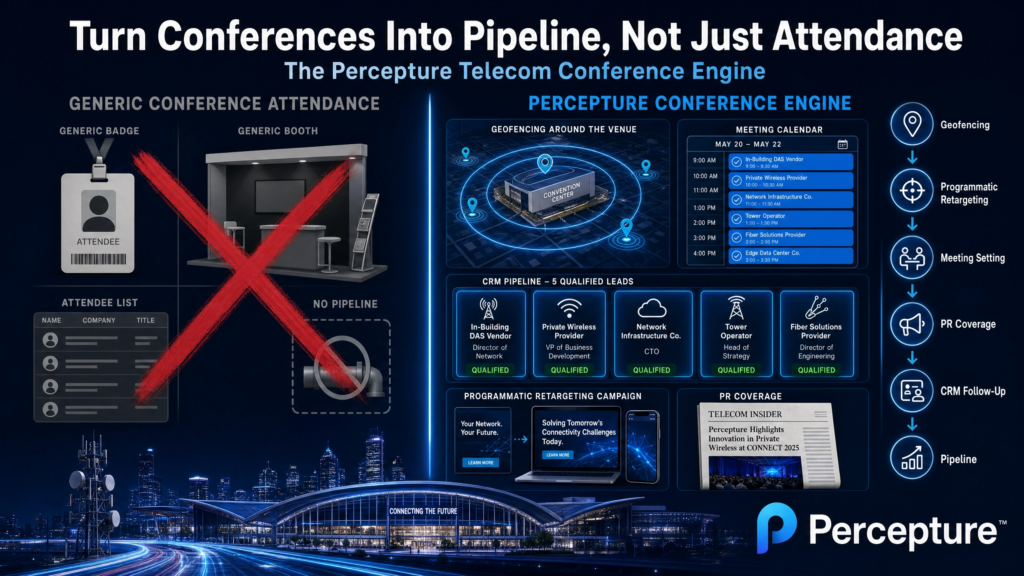
A YOTTA 2026 campaign should start with the audience and meeting goal, not a stream of generic countdown posts. Choose a small number of account segments, define the issue relevant to each one, and build outreach around a useful conversation.
Event promotion should also fit the broader data center marketing strategy. Pre-event content can establish a point of view. On-site interviews and notes can capture real questions. Post-event material can answer those questions while sales follows up with the right accounts.
Avoid making every conversation a content asset. Ask permission before recording or quoting anyone. Keep private meeting notes separate from public material, and do not turn an informal comment into an attributed market claim.
Teams comparing this show with other options can also review Percepture's guide to the best data center conferences. The useful comparison is not which event is largest; it is which event concentrates the audience and conversations that match the current business objective.
What should the event plan include?
Build the YOTTA 2026 plan in three phases so responsibilities do not disappear between marketing, sales, and leadership.
- Before the event: Set the decision, rank target organizations, request meetings, assign session coverage, and agree on note fields.
- During the event: Record the problem discussed, relevant context, promised action, owner, and due date. Separate observations from claims that require a source.
- After the event: Send the promised material, route qualified opportunities, publish only approved insights, and review which meetings advanced the original decision.
The plan should also include time for daily review. A short end-of-day meeting lets the team correct missed follow-ups while the context is fresh. It can also reveal repeated questions that deserve deeper research after the show.
Test the quality of the lead plan
Before the event, check whether target accounts, meeting hypotheses, qualification fields, and follow-up owners are clear enough to support action.
Final planning questions
Before committing to YOTTA 2026, ask whether the team can name the people it wants to meet, the questions it needs answered, and the action it will take afterward. Recheck the official event site for the current agenda, speaker directory, exhibitor list, registration details, and venue instructions.
A conference guide should reduce uncertainty, not manufacture certainty. Treat published dates and venue information as the planning baseline, then use first-party event updates for changing operational details. The result is a trip designed around decisions and accountable follow-up rather than attendance alone.
Reference images

About Bob Generale
Bob Generale is President of Percepture. He works with business and marketing leaders on digital strategy, search visibility, communications, and measurable growth programs.